
Beautiful Plants For Your Interior
Beautiful Plants For Your Interior
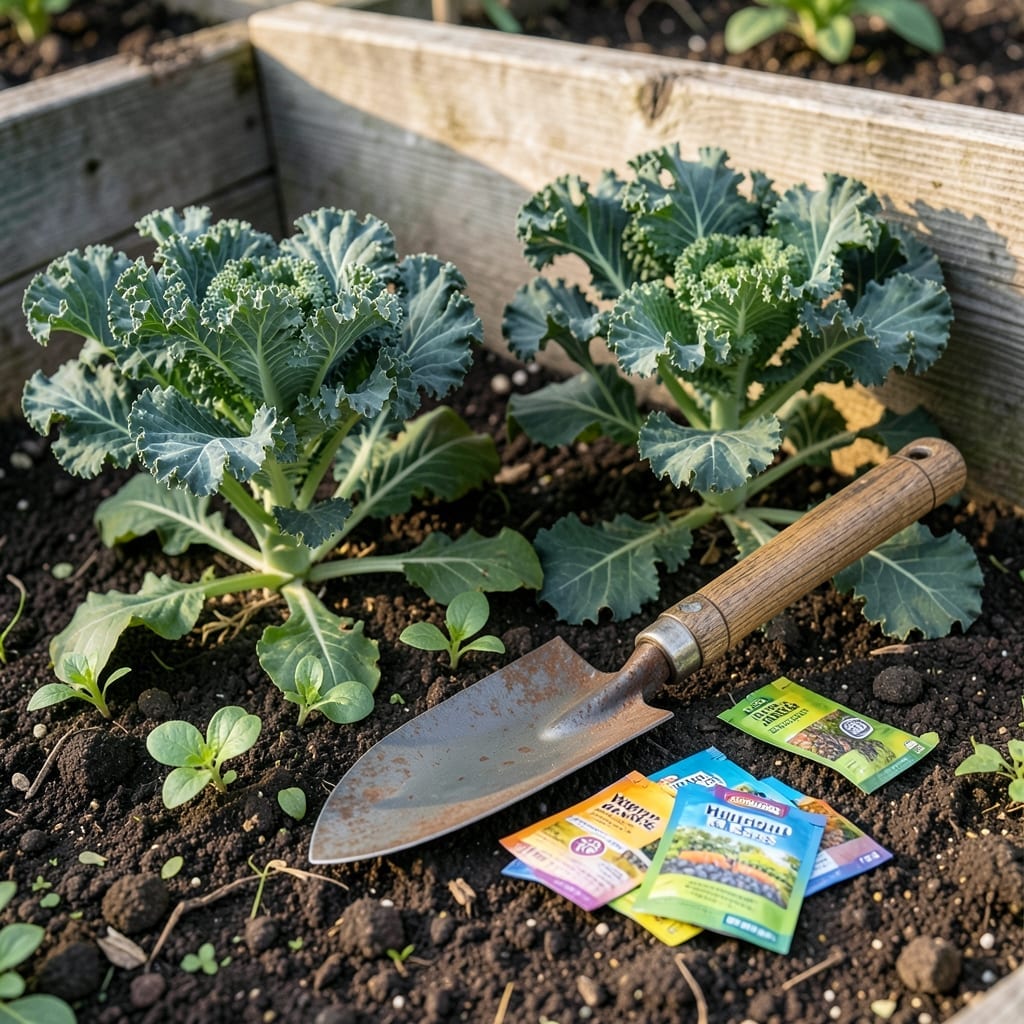
Timing is everything when planting a Fall Garden in Texas, where the extreme summer heat gives way to a second growing season full of possibilities. Get the schedule right, and you’ll harvest crisp greens, root vegetables, and herbs well into winter.
I’ve learned that in zones 8a-9b, the window for success is narrow but rewarding. The key is knowing exactly when to start, so your plants thrive before the first frost arrives.
Whether you’re a seasoned gardener or just starting out, understanding this timing can make or break your harvest. Let me walk you through the essentials for a bountiful fall season.
Discover how to align your planting with Texas’ unique climate, and watch your garden flourish when others are winding down.
Texas gardeners know that fall planting offers a second chance to grow after the brutal summer heat. The key is timing—plant too early, and your crops will wilt; too late, and frost will claim them before harvest. I’ve found that 6-8 weeks before your region’s first frost is the sweet spot for most fall vegetables.
Texas spans USDA zones 8a-9b, meaning planting dates vary significantly. In North Texas, you’ll start seeds in late August, while Gulf Coast gardeners can wait until mid-September or even early October for some crops.
| Region | Planting Window | Key Crops | First Frost |
|---|---|---|---|
| North Texas | Aug 15 – Sep 1 | Broccoli, Kale, Carrots | Nov 15 |
| Central Texas | Aug 25 – Sep 10 | Spinach, Beets, Lettuce | Nov 20 |
| South Texas | Sep 1 – Sep 15 | Cabbage, Radishes, Greens | Dec 1 |
| Gulf Coast | Sep 15 – Oct 1 | Collards, Turnips, Brussels Sprouts | Dec 10 |
For quick-maturing crops like radishes and leaf lettuce, you can push the planting window later. I’ve successfully harvested radishes in 30 days when sown in early October in Central Texas. Just watch the 10-day forecast for sudden cold snaps.
Root vegetables like carrots and beets need more time—aim for 70-80 days to maturity. Start these in late August in most areas. If you’re in the Gulf Coast, you can even grow them through winter with a little protection.
Don’t forget about soil temperature. Many fall crops germinate best when soil is 70-85°F. In hotter regions, I use shade cloth to cool the soil for early plantings. A soil thermometer is a worthwhile investment for serious gardeners.
For transplants like broccoli and cabbage, start seeds indoors 6-8 weeks before your target outdoor planting date. This gives them a head start before cooler weather slows growth. I’ve found that cabbage transplants establish better than direct-sown seeds in my Texas garden.
Remember that frost dates are averages. In 2023, North Texas saw its first frost 2 weeks early. Always have frost protection like row covers ready. A light frost can actually improve the flavor of kale and Brussels sprouts.
Watering needs change in fall too. As temperatures drop, reduce watering frequency but maintain consistent moisture. I switch from daily summer watering to every 2-3 days in fall, always checking soil moisture first.
Finally, succession planting can extend your harvest. Sow new lettuce seeds every 2 weeks until early October for a continuous supply. This technique works well with spinach and arugula too.
With the right timing and care, your Texas fall garden can be just as productive as your spring one. The key is working with, not against, the state’s unique climate patterns.
Texas fall gardens thrive with cool-season crops that handle milder temperatures and even light frosts. I’ve found leafy greens like kale and spinach perform exceptionally well in this climate.
For root vegetables, carrots, beets, and radishes grow quickly and sweeten with cooler weather. These are perfect for Texas’ short fall season before winter sets in. 🌱
I always recommend succession planting lettuce and radishes every 2 weeks for continuous harvests. This extends your fall garden productivity significantly.
Don’t overlook herbs like cilantro and dill, which flourish in cooler weather. They’re perfect for Texas fall conditions and add flavor to your garden.
For best results, start seeds indoors in late summer for crops like broccoli and cabbage. This gives them a head start before transplanting.
Remember, soil temperature is key. Use a soil thermometer to ensure it’s below 85°F before direct sowing most fall crops. 🌿