
Beautiful Plants For Your Interior
Beautiful Plants For Your Interior
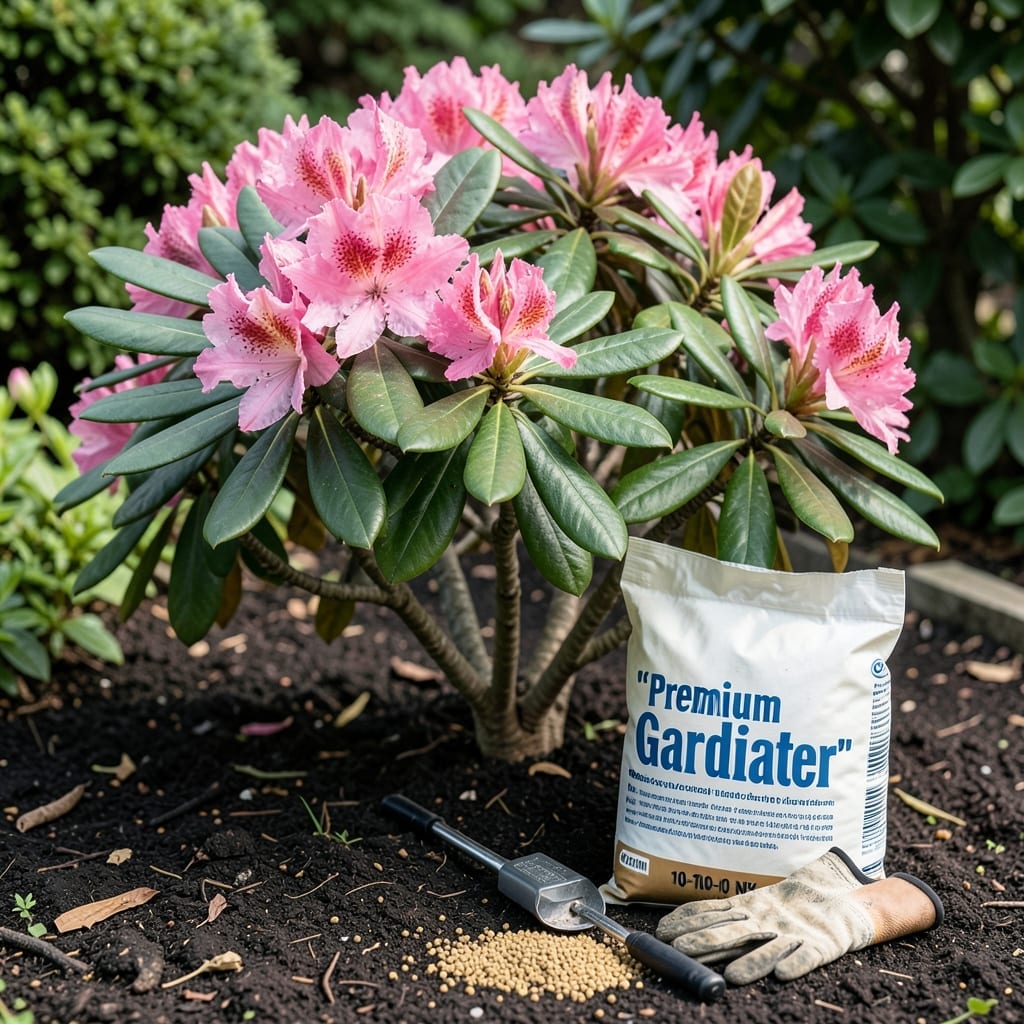
There’s nothing quite like watching your 🌸 Rhododendron burst into vibrant color each spring. But those stunning blooms don’t happen by accident – they need the right nutrients at the right time.
I’ve learned that timing is everything when it comes to fertilizing these beautiful shrubs. Feed them too early or too late, and you might as well be pouring those nutrients down the drain.
After years of trial and error in my own garden, I’ve discovered the most effective seasonal schedule. It’s simpler than you might think, and your Rhododendrons will thank you with lush growth.
Discover the exact windows when your plants are primed to absorb nutrients and how to make every feeding count for those show-stopping blooms.
I’ve found that timing is everything when it comes to fertilizing rhododendrons. These acid-loving shrubs thrive when fed at the right moments, ensuring vibrant blooms and healthy growth. The key is aligning fertilization with their natural growth cycles.
In my experience, early spring is the first critical window. As new growth emerges, a balanced acidic fertilizer gives rhododendrons the nutrients they need to flourish. This sets the stage for those stunning flowers we all love.
| Season | Action | Purpose |
|---|---|---|
| Early Spring | Feed | Promotes new growth |
| After Blooming | Light Feed | Supports recovery |
| Late Fall | Feed | Prepares for winter |
| Winter | Skip | Avoid dormancy stress |
After the blooming season, I recommend a light feeding. This helps the plant recover from the energy it spent producing flowers. Use a low-nitrogen fertilizer to avoid encouraging excessive leafy growth at the expense of next year’s buds.
Late fall is another prime time to fertilize. Applying a slow-release acidic fertilizer in October helps rhododendrons store nutrients for the winter. This ensures they wake up strong in the spring, ready to produce those gorgeous blooms.
I always avoid fertilizing in winter. During dormancy, rhododendrons don’t actively grow, so added nutrients can cause root burn or other stress. It’s best to let them rest until the soil warms up again.
For the best results, I use a 10-8-6 NPK ratio fertilizer specifically formulated for acid-loving plants. This provides the right balance of nitrogen, phosphorus, and potassium to support both foliage and flower production.
Timing also depends on your USDA zone. In cooler climates like Zone 6, I start fertilizing in April and finish by October. In warmer zones, you might begin a bit earlier and extend the feeding season slightly.
Finally, always test your soil pH before fertilizing. Rhododendrons prefer acidic soil with a pH of 4.5 to 5.5. If your soil is too alkaline, amend it with sulfur or peat moss before feeding.
By following this schedule, I’ve seen my rhododendrons thrive with lush foliage and abundant blooms year after year. It’s all about working with their natural rhythm and giving them what they need, when they need it 🌸
Choosing the right fertilizer for rhododendrons can make all the difference in their growth and blooming. I always recommend acid-loving plant formulas because these shrubs thrive in low pH soils.
A 10-8-6 NPK ratio works perfectly for most rhododendrons, providing balanced nutrition. I prefer slow-release granules as they feed the plant gradually, preventing nutrient burn and reducing the need for frequent applications.
Cottonseed meal and composted oak leaves are excellent natural choices that slowly release nutrients.
Never use lime or alkaline fertilizers, as they can harm acid-loving rhododendrons.
For application, I measure 1 tablespoon of fertilizer per foot of plant height. This ensures I’m not overfeeding, which can lead to leaf scorch or weak growth.
I always apply fertilizer in the early morning when the soil is moist. This helps the nutrients soak in effectively. Watering deeply afterward washes the granules into the root zone where they’re most needed.
One common mistake I see is fertilizing dry soil. Always water your rhododendrons thoroughly the day before applying fertilizer to prevent root damage.
Finally, remember that less is more with rhododendrons. Over-fertilizing can cause more harm than good, leading to salt buildup in the soil. Stick to the recommended amounts and timing for the best results 🌸