
Beautiful Plants For Your Interior
Beautiful Plants For Your Interior
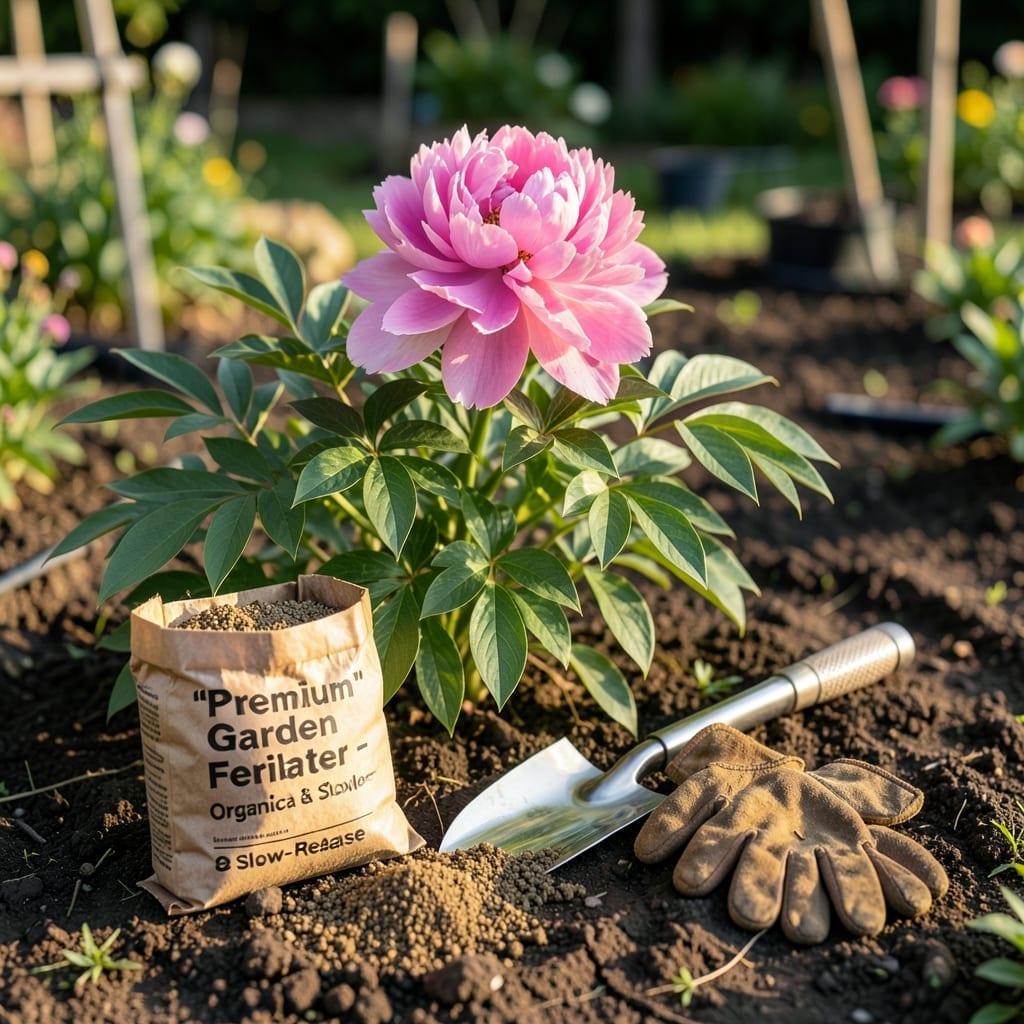
Timing your peony fertilization correctly can mean the difference between lackluster blooms and a garden bursting with vibrant, oversized flowers. These beloved 🌸 perennials thrive with a strategic feeding schedule.
I’ve learned that aligning fertilization with the natural growth cycles of Peonies is the key to maximizing their potential. It’s not just about what you feed them, but when you do it.
Whether you’re a seasoned gardener or just starting out, understanding the best times to fertilize will transform your Peony display. The right timing ensures stronger plants and more abundant blooms.
Discover how a simple adjustment in your feeding schedule can make all the difference for your Peonies this season.
Peonies reward strategic fertilization with spectacular blooms. I’ve found the best approach is timing your feeding to match their growth cycles for optimal results. These perennials have distinct nutritional needs throughout the year.
Early spring is your first window, just as new growth emerges from the soil. This is when the plant is building the foundation for its upcoming blooms. A light feeding here gives them the boost they need to start strong.
| Stage | Action | Fertilizer Type |
| Early Spring | Light feed at first growth | 5-10-10 or compost |
| After Blooming | Full feed for root growth | Low nitrogen, high phosphorus |
| Late Summer | Optional light feed | Bone meal or compost tea |
| Fall | Avoid fertilizing | None needed |
After your peonies finish blooming, usually in late spring or early summer, it’s time for the most important feeding. This is when you should apply a balanced fertilizer to support root development and next year’s flower buds.
I recommend using a low-nitrogen fertilizer with higher phosphorus content, like a 5-10-10 formula. This encourages strong roots and abundant blooms rather than excessive foliage. Apply about 1 tablespoon per plant, working it lightly into the soil.
Late summer offers another opportunity for a light feeding, especially if your soil is poor. This can help strengthen the plant before winter. However, avoid fertilizing after early September in most climates, as it may stimulate new growth that won’t harden off before winter.
Remember, peonies are low-maintenance plants once established. Over-fertilizing can actually reduce blooming and create weak, leggy growth. When in doubt, less is more with these hardy perennials.
The key is consistency. Mark your calendar for these three key times: early spring, after blooming, and optionally in late summer. This schedule aligns perfectly with your peony’s natural rhythm and growth patterns.
I’ve seen dramatic improvements in bloom size and quantity by following this simple schedule. The plants seem to respond best when their nutritional needs match their growth stages. It’s like giving them a perfectly timed meal when they’re most hungry.
Finally, always water your peonies before and after fertilizing to prevent root burn and help nutrients reach the roots. This simple step makes a big difference in how well your plants absorb the fertilizer.
With this approach, you’ll be rewarded with bigger, more vibrant blooms year after year 🌸
Even with the best intentions, it’s easy to make fertilization errors that can harm your peonies. I’ve seen gardeners accidentally reduce blooming by overfeeding or using the wrong nutrient balance at the wrong time.
The most common mistake is using high-nitrogen fertilizers, which produces lush foliage at the expense of flowers. Peonies need balanced nutrition with emphasis on phosphorus for strong blooms and root development.
Never fertilize peonies after early September or use high-nitrogen products. Overfeeding creates weak growth and reduces blooming.
Another critical error is fertilizing at the wrong time. Applying food during summer heat can stress plants, while fall feeding may prevent proper dormancy. Stick to the three key windows we discussed earlier for best results.
Watch for signs of nutrient imbalance like yellowing leaves (nitrogen deficiency) or stunted growth (phosphorus lack). If you notice these, adjust your fertilizer formula rather than just increasing the amount.
I always recommend soil testing before fertilizing. This reveals exactly what your peonies need and prevents unnecessary applications. It’s a simple step that can save you from many common problems.
Finally, never apply fertilizer to dry soil. Always water before and after feeding to prevent root burn and ensure proper nutrient absorption. This small step makes a big difference in plant health 🌸