
Beautiful Plants For Your Interior
Beautiful Plants For Your Interior
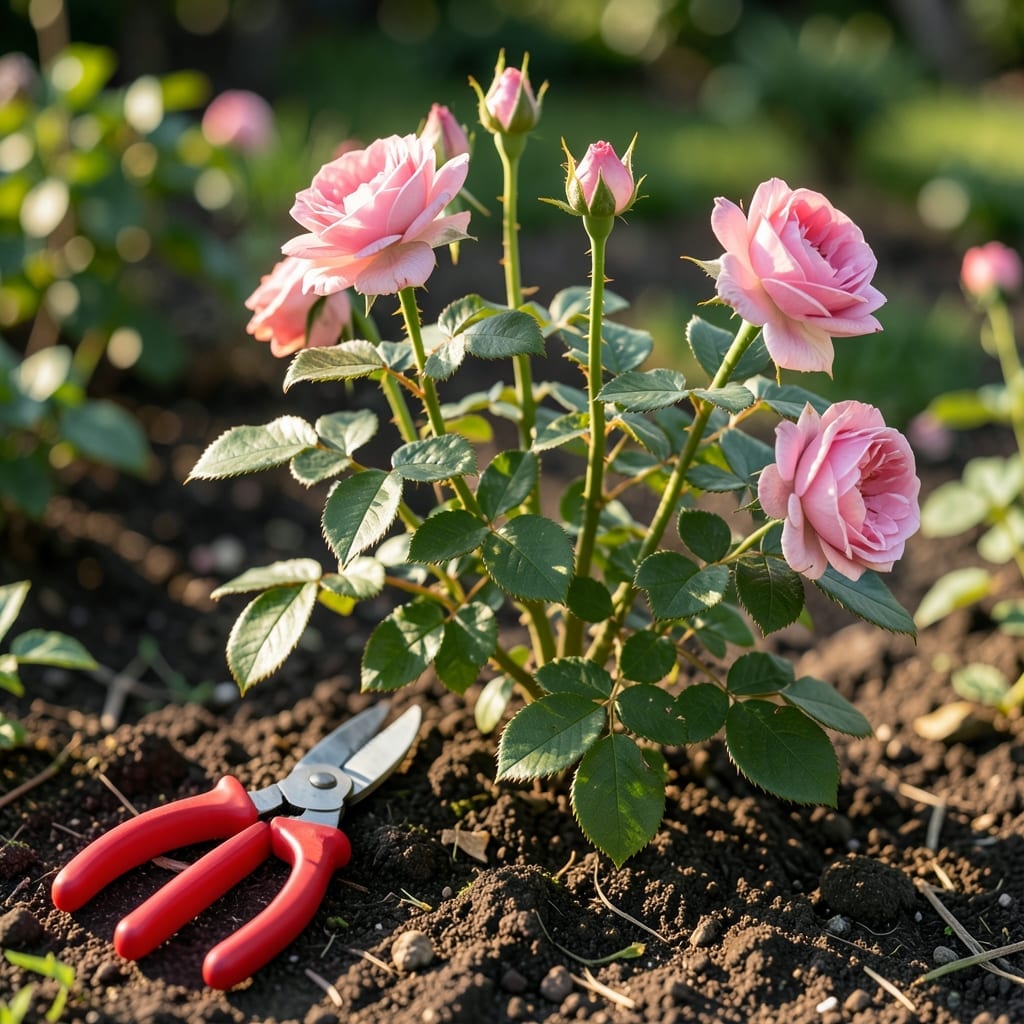
Pruning roses at the right time is the key to lush, vibrant blooms that will make your garden the envy of the neighborhood. But timing is everything—cut back too early or too late, and you risk stunting growth.
The 🌹 Rose thrives when pruned in early spring, just as new growth begins in zone 6. This window ensures your bushes have enough time to recover and produce stunning flowers from June through October.
Let me show you exactly when and how to prune for healthy, robust plants. Whether you’re growing hybrid teas or climbers, these timing tips will set you up for success.
Timing your rose pruning is critical for healthy growth and abundant blooms. In most regions, the ideal window is early spring, just as new growth begins to emerge.
For USDA Zone 6, this typically means March or April, but adjust based on your local last frost date. Pruning too early risks frost damage, while waiting too long can delay flowering.
| Rose Type | Best Pruning Time | Key Notes |
|---|---|---|
| Hybrid Teas | Early Spring | Before buds swell |
| Climbers | Late Winter | After last frost |
| Shrub Roses | Early Spring | Remove dead wood first |
| Old Garden Roses | After Blooming | Once-a-year bloomers |
In warmer climates like Zone 9 or 10, you can prune as early as January or February. The key is to finish before the first flush of growth starts.
For repeat-blooming roses, I recommend a light pruning after each major flowering cycle. This encourages more blooms and keeps the plant shaped nicely.
Climbing roses are a bit different. Prune these right after their first big bloom in late spring or early summer. This gives them time to produce new canes for next year’s flowers.
If you’re in a cold climate with harsh winters, wait until the danger of frost has completely passed. I’ve seen roses damaged by late frosts after early pruning.
For one-time bloomers like some old garden roses, prune immediately after they flower. These roses bloom on old wood, so pruning at the wrong time means no flowers next year.
Always use sharp pruning shears and make clean cuts at a 45-degree angle. This helps the plant heal faster and reduces disease risk.
Remember, the goal is to remove dead or diseased wood first, then shape the plant. I aim to open up the center for better air circulation, which prevents fungal issues.
Finally, don’t forget to clean up all debris around the base. This removes hiding spots for pests and diseases that could harm your roses next season ✂️
Pruning roses properly ensures strong regrowth and prevents damage to the plant. I always start by removing dead or diseased wood first, cutting back to healthy tissue.
Next, I focus on opening up the center of the bush to improve air circulation. This helps prevent fungal diseases that roses are prone to in damp conditions.
For hybrid tea roses, I cut back to 18-24 inches from the ground, leaving 3-5 strong canes. This encourages vigorous new growth and larger blooms.
Climbing roses need different treatment. I only remove dead wood and trim lateral branches, leaving the main canes intact. This maintains their climbing structure.
After pruning, I always clean up thoroughly, removing all debris from around the base. This eliminates hiding spots for pests and diseases that could harm future growth.
Finally, apply a balanced fertilizer after pruning to give your roses a nutrient boost. I water deeply afterward to help the plant recover from the stress of pruning ✂️