
Beautiful Plants For Your Interior
Beautiful Plants For Your Interior
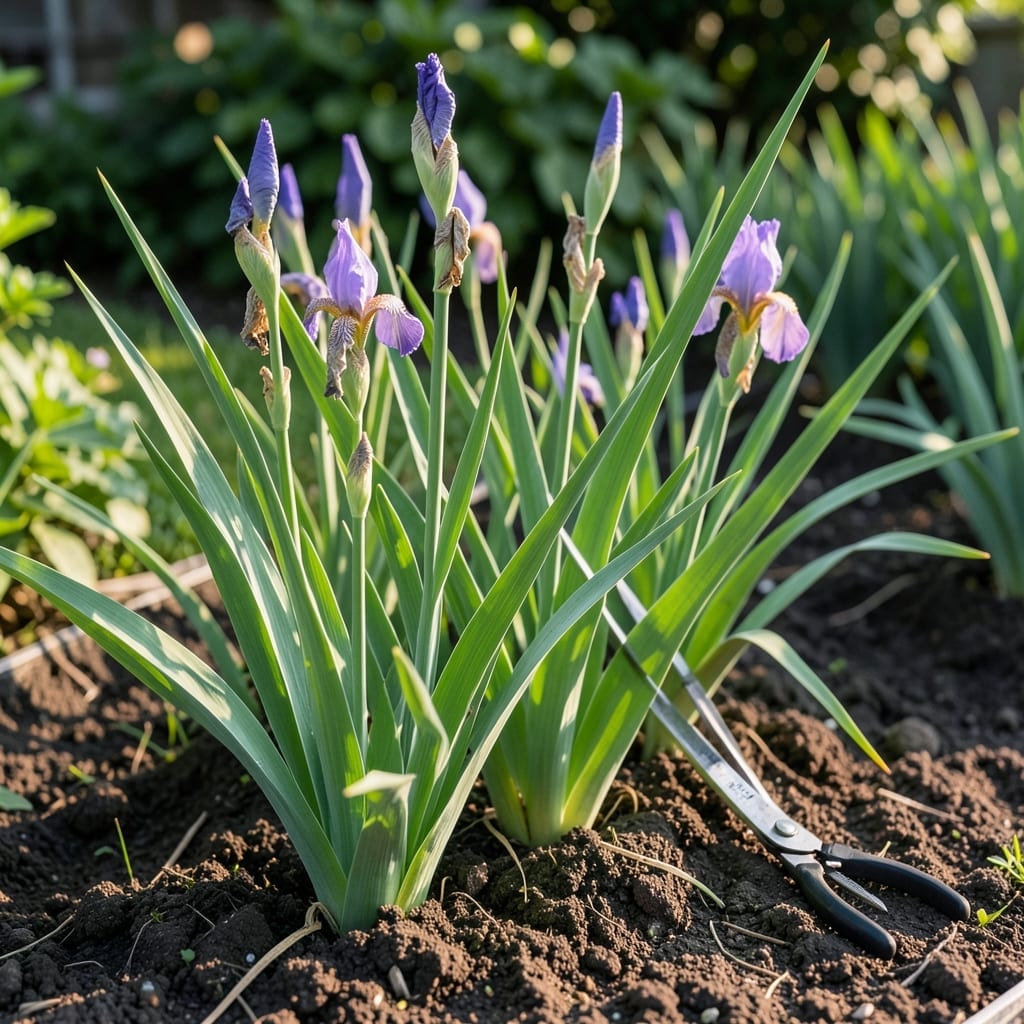
Knowing when to cut irises can mean the difference between a lackluster garden and a vibrant display of 🌸 blooms year after year. Timing is everything for these hardy perennials.
I’ve learned that proper pruning at the right moment encourages healthier rhizomes and more spectacular flowers next season. It’s not just about when you cut, but how you do it.
Discover the simple yet crucial timing that will transform your iris care routine. Let me walk you through the most important steps to get it right.
I always wait until my iris flowers have completely faded before reaching for the pruners. This usually happens in early to mid-summer, depending on your climate and variety. The key is to remove the spent blooms first, then address the foliage later.
Cutting back at the right time prevents seed pods from forming, which can drain energy from your iris rhizomes. I’ve found this simple step makes a huge difference in next year’s blooms. The best window is typically 6-8 weeks after flowering ends. ☀️
| cell” style=”background-color:#6fd544;color:#ffffff”>Best Timing | row”> | cell”>Immediately after blooming | row”> | cell”>When all blooms fade | row”> | cell”>Late summer/early fall | row”> | cell”>After first frost | Prepares for winter |
For bearded irises, I cut the flower stalks down to the base right after the last bloom wilts. This keeps the garden looking tidy while allowing the leaves to continue photosynthesizing. The foliage feeds the rhizome for next year’s growth.
The biggest mistake I see gardeners make is cutting back the leaves too early. Those green blades are working hard to store energy. Wait until they start to yellow or brown in late summer before trimming them to about 6 inches above the ground.
In warmer climates, you might do this cleanup in August, while in cooler zones, September is often better. I always check the weather forecast – you want to finish before the first hard frost arrives. 🌿
For Siberian irises and other varieties, the timing is similar but the technique differs slightly. These can handle a more aggressive cutback. I typically reduce their foliage by half in mid-summer, then do a final trim in fall.
Remember that healthy irises need this annual pruning to prevent overcrowding and disease. I’ve found that plants that get proper post-bloom care produce more blooms and stronger stems the following year.
If you’re unsure about the timing, watch your plants closely. When the leaves begin to flop or look ragged, that’s nature’s signal that it’s time to cut back. This usually coincides with the end of the growing season for your area. ✂️
Finally, always use clean, sharp pruners to make clean cuts. I disinfect my tools between plants to prevent spreading any potential diseases. This small step can make a big difference in keeping your iris patch healthy for years to come.
I always start my iris pruning with clean, sharp bypass pruners to ensure clean cuts that heal quickly. The first step is removing spent flower stalks at their base, which prevents seed formation and redirects energy to the rhizome.
For the best results, I cut the flower stems down to 2-3 inches above the rhizome. This timing is crucial as it allows the plant to focus on root and leaf growth for next year’s display. ✂️
When trimming the foliage, I use a fan-shaped pattern to maintain air circulation. This helps prevent fungal diseases that irises are prone to. I never cut more than one-third of the leaves at a time.
For bearded irises, I wait until the leaves start to yellow in fall before cutting them back to 6-inch fans. This timing ensures the plant has stored enough energy for winter and next spring’s growth. 🌱
I’ve found that using sterilized tools prevents disease spread between plants. A quick wipe with rubbing alcohol between cuts keeps my iris beds healthy. Always make cuts at a 45-degree angle for best results.
After pruning, I clean up all plant debris to prevent pests and diseases. This simple step makes a big difference in maintaining a healthy iris garden year after year. 🌿