
Beautiful Plants For Your Interior
Beautiful Plants For Your Interior
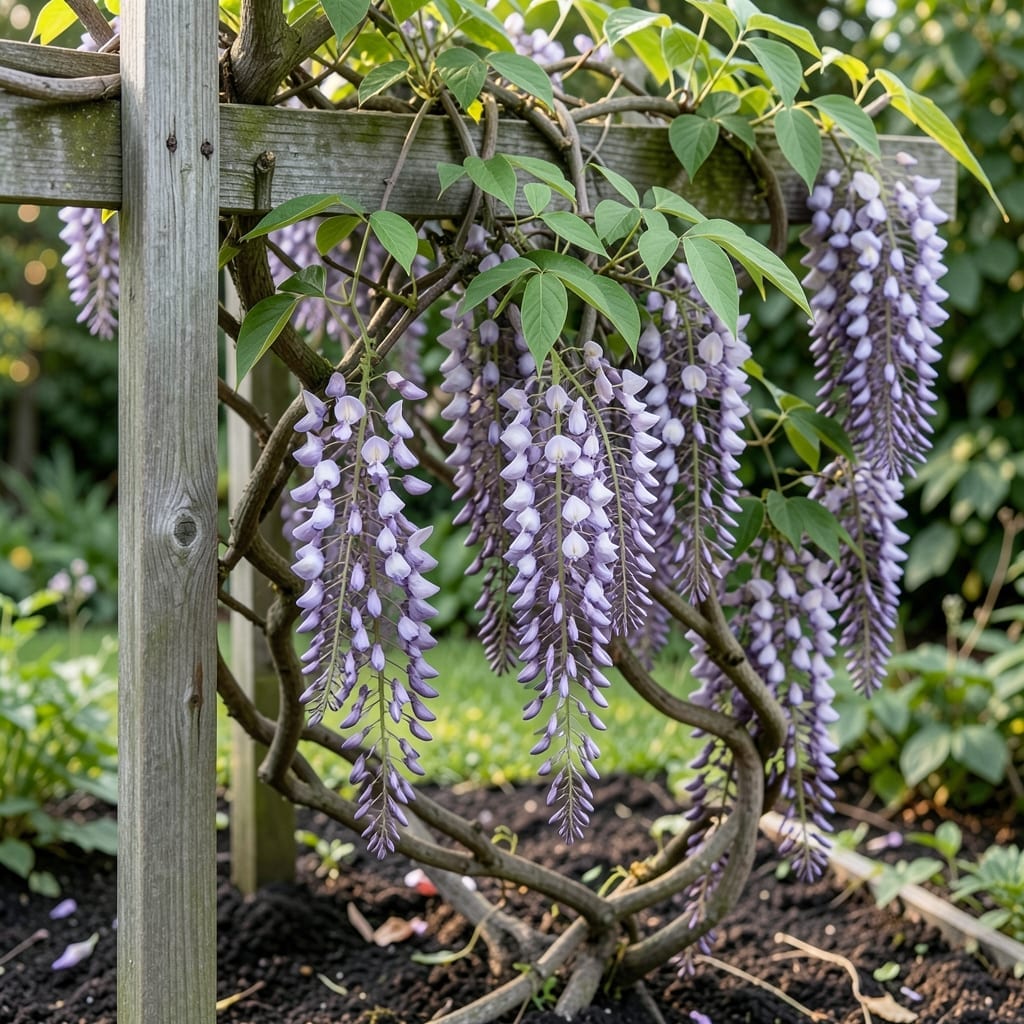
There’s something magical about watching 🌸 Wisteria transform your garden with its stunning floral display. But if you’ve ever found yourself waiting impatiently for those first blooms, you’re not alone.
Timing can be tricky with this vine, as it doesn’t always follow a strict schedule. From Chinese to Japanese varieties, each has its own rhythm that’s influenced by your location and care.
I’ve learned that understanding these patterns is the key to enjoying those beautiful cascades year after year. Whether you’re in zone 5-9 or just starting out, there are clear signs to watch for.
Discover when to expect your Wisteria to burst into color and what you can do to encourage that spectacular show. The wait is always worth it.
As a gardener, I know the anticipation of waiting for wisteria blooms can feel endless. The timing varies by species and climate zone, so understanding these differences helps set realistic expectations.
In my experience, Chinese wisteria tends to bloom earlier than Japanese wisteria, often by 2-3 weeks in comparable zones. Meanwhile, American wisteria is more cold-hardy but may flower slightly later.
| Variety | USDA Zone | Bloom Time | Notes |
|---|---|---|---|
| Chinese | 5-8 | April-May | Earliest bloomer, fragrant |
| Japanese | 5-9 | May-June | Longer flower clusters |
| American | 5-9 | May-June | Most cold-tolerant |
I’ve found that zone 5 gardens often see blooms 1-2 weeks later than those in zone 7. This shift happens because cooler springs delay bud development. In zone 9, wisteria may even produce a second flush of flowers in fall.
For Chinese wisteria, I recommend watching for swollen buds in early March in zone 7. These typically open into lavender blooms by mid-April. In cooler zones, this timeline shifts later by about a week per zone number.
My Japanese wisteria in zone 6 usually starts showing color in late April, with full blooms by early May. The flowers often last 2-3 weeks, especially if we get cool nights that extend the display.
The American wisteria in my garden is the most reliable in cold snaps. It blooms May to June across most zones, with shorter clusters but excellent cold tolerance. Its flowers are less fragrant but incredibly hardy.
Remember that mature vines bloom more consistently. I’ve noticed my 3-year-old wisteria started flowering, while younger plants often need more time to establish. Patience is key with these long-lived vines!
In my zone 6 garden, I track soil temperature as a bloom predictor. When soil hits 60°F at 4-inch depth, I know blooms are about 3-4 weeks away. This simple check helps me anticipate the display.
For all varieties, I’ve learned that full sun exposure is critical. My wisteria in partial shade blooms later and with fewer flowers. Aim for at least 6 hours of direct sunlight daily for the best results.
🌷
I know how disappointing it can be when your wisteria vine stays green with no flower clusters. Often, the issue is simply plant maturity—most wisteria need 2-5 years to bloom from seed. 🌱
Another common problem is improper pruning. Wisteria blooms on old wood, so pruning at the wrong time can remove flower buds. I’ve seen many gardeners accidentally cut back spring growth and lose a season of blooms. ✂️
Too much nitrogen fertilizer promotes leafy growth over flowers. Shade also reduces blooming—wisteria needs 6+ hours of sun daily.
If your vine is mature but still not flowering, check its sunlight exposure. Wisteria thrives in full sun and may refuse to bloom in partial shade. I always recommend relocating if it’s not getting enough light. ☀️
Nutrient imbalances can also delay blooms. High-nitrogen fertilizers push foliage growth at the expense of flowers. Switch to a phosphorus-rich feed (like 5-10-10) to encourage blooming. 🌿
Sometimes, overwatering or poor drainage stresses the plant. Wisteria prefers moist but well-drained soil. If roots are soggy, they’ll focus on survival, not flowers. 💧
Finally, wrong variety for your climate can cause issues. Chinese wisteria blooms earlier than Japanese wisteria. Verify your type and USDA zone compatibility for best results. 🌷