
Beautiful Plants For Your Interior
Beautiful Plants For Your Interior
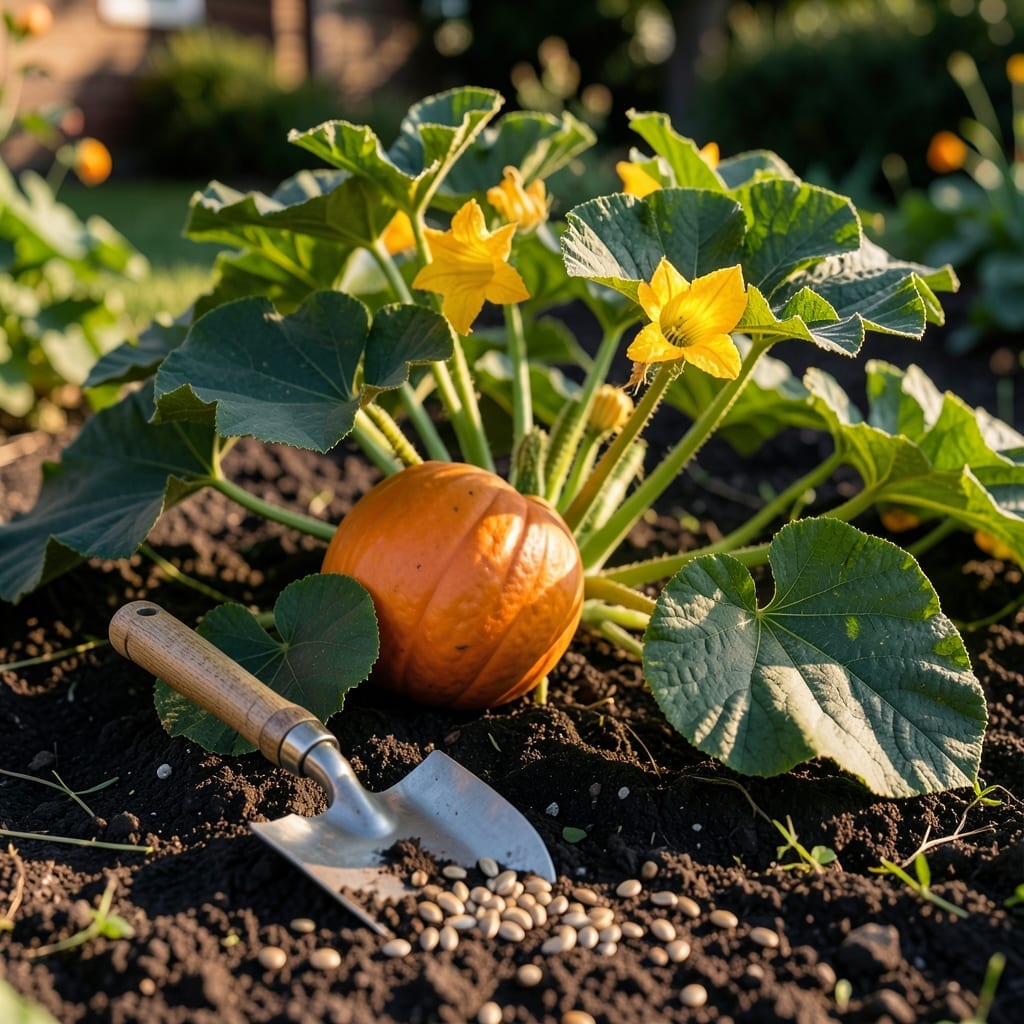
Timing is everything when it comes to planting 🎃 Pumpkin seeds. Plant too early and frost may kill your seedlings. Plant too late and your pumpkins won’t mature in time for harvest.
Get the timing right and you’ll be rewarded with a thriving patch. The key is understanding your local climate and soil conditions, especially in zone 6.
I’ll walk you through the best window—typically May to June—and how to prepare your soil for success. It’s simpler than you might think.
Discover how to avoid common mistakes and set your pumpkins up for a bountiful harvest this fall. Let’s get started.
Timing your pumpkin seed planting perfectly depends on your climate zone and last frost date. I always check the soil temperature first—it must be at least 60°F for seeds to germinate properly.
In warmer zones like 7-10, you can plant as early as April. For cooler areas like zones 3-5, wait until late May or early June to avoid frost damage. ☀️
| USDA Zone | Planting Window | Frost Considerations |
|---|---|---|
| 3-4 | Late May – June | After last frost |
| 5-6 | Mid-May – June | Soil must reach 60°F |
| 7-8 | April – May | Early start possible |
| 9-10 | March – April | Long growing season |
I recommend using a soil thermometer to check conditions. If your garden soil is still cold, consider black plastic mulch to warm it up faster. This trick helps me get a 2-week head start in spring.
For northern gardeners, starting seeds indoors in biodegradable pots can be a game-changer. Just
Pumpkin varieties also affect timing. Small sugar pumpkins mature in about 90 days, while giant varieties need 120-130 days. I always check the seed packet for maturity dates.
In short-season areas, choose fast-maturing varieties like ‘Jack Be Little’ or ‘Small Sugar’. These can produce pumpkins in as little as 85 days, giving you more flexibility.
Don’t forget about succession planting for a continuous harvest. I plant a new batch of seeds every 2-3 weeks until midsummer. This ensures I have pumpkins ready at different times.
If you’re in a hot climate, consider planting in late summer for a fall harvest. The key is avoiding the hottest part of summer, which can stress young plants. 🌿
Finally, always keep an eye on the weather forecast. A late frost can ruin your pumpkin patch, so I always have frost blankets ready just in case. This small precaution has saved my plants more than once.
Before planting pumpkin seeds, your soil must meet specific conditions for success. I always check for temperature, moisture, and texture first. These factors determine whether your seeds will sprout or struggle. 🌱
Pumpkins need warm soil—at least 60°F for germination. I use a soil thermometer to confirm this before planting. Cold soil delays sprouting and can cause seeds to rot.
For moisture, squeeze a handful of soil. If it holds shape but crumbles when poked, it’s perfect. Too wet or dry means you should adjust your watering schedule before planting.
I test soil texture by digging a small hole. Ideal soil breaks apart easily. If it’s compacted, I loosen it with a garden fork and add organic matter like compost.
A soil test kit helps me check pH levels. Pumpkins prefer slightly acidic to neutral soil. If my soil is too acidic, I add lime to balance it. 🌿
Finally, I ensure the soil has enough nutrients. Mixing in aged compost or well-rotted manure gives pumpkins the best start. This step boosts growth and improves yield.