
Beautiful Plants For Your Interior
Beautiful Plants For Your Interior
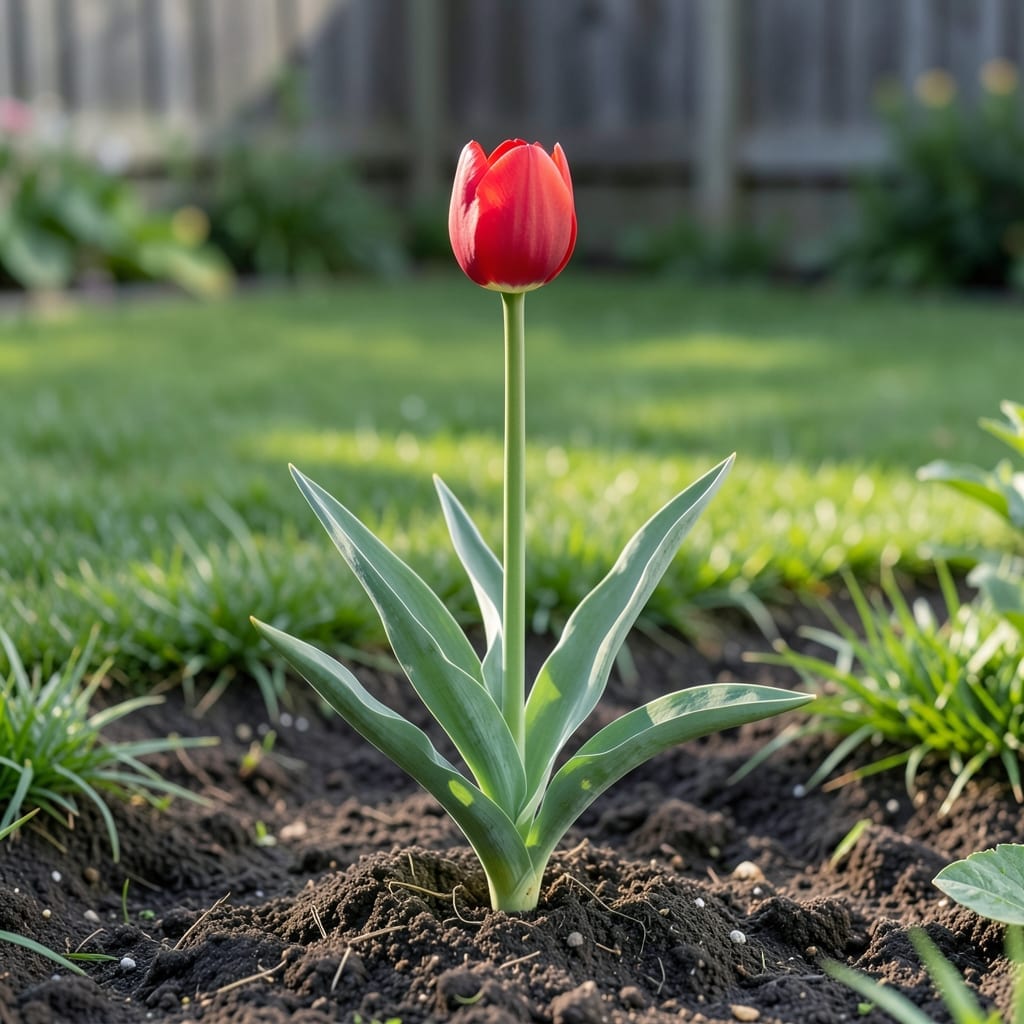
Tulips bring vibrant color to Texas gardens, but their blooming season differs from colder climates. Knowing the right timing ensures a stunning spring display you won’t want to miss.
In our Lone Star State, the 🌷 Tulip typically graces us with its beauty from February to April. This window can shift slightly depending on whether you’re in North or South Texas.
I’ll share how regional climate variations affect this schedule and what you can do to maximize your Tulip blooms. Let’s make your garden the envy of the neighborhood.
In Texas, tulips bloom earlier than in colder regions due to our milder winters. The primary bloom window spans December to February in North Texas, while South Texas sees blooms from January to March. This shift happens because cooler areas experience earlier chilling.
Our USDA Zone 8a climate means bulbs need less cold exposure to trigger spring flowering. The first frost around November 15th signals it’s time to plant for next year’s display.
| Region | Bloom Window | Planting Time |
|---|---|---|
| North Texas | Dec-Feb | Oct-Nov |
| South Texas | Jan-Mar | Nov-Dec |
| Central Texas | Feb-Apr | Oct-Dec |
The chilling requirement for tulips is 12-16 weeks below 60°F. In Texas, we often need to pre-chill bulbs in refrigerators for 6-8 weeks before planting to ensure proper flowering.
I recommend planting bulbs when soil temperatures drop below 60°F. This typically occurs in late October for North Texas and November for South Texas. The bulbs need this period to establish roots before spring growth.
Early blooming varieties like ‘Apeldoorn’ often flower first, while late-season tulips such as ‘Queen of Night’ may extend your display into early April. This variety in bloom times creates a longer colorful season in your garden.
Soil conditions greatly affect blooming. Tulips prefer well-draining soil with a pH between 6.0-7.0. In Texas, our clay soils often need amendment with compost to improve drainage and prevent bulb rot.
Watering practices are crucial during the blooming period. I suggest deep watering once weekly, providing about 1 inch of water per week. This encourages strong root development and vibrant blooms.
Sunlight exposure is another key factor. Tulips thrive in full sun locations with 6+ hours of direct sunlight daily. In Texas, this means planting in south-facing beds for optimal results.
Remember, mulching after planting helps maintain consistent soil temperatures. I use a 2-3 inch layer of organic mulch to protect bulbs from temperature fluctuations that can disrupt the blooming cycle.
With proper care, your Texas tulips will reward you with spectacular spring color that neighbors will admire 🌷
Texas gardeners can manipulate bloom times with simple techniques. I’ve found that pre-chilling bulbs in the refrigerator for 6-8 weeks before planting can encourage earlier flowering in warmer areas.
For a longer bloom season, try planting early, mid, and late-season varieties together. This creates a staggered display that can last from February through April in most regions.
I recommend using shade cloth during unseasonably warm periods to protect developing buds. This can delay blooming by 1-2 weeks and prevent heat damage to delicate petals.
Choosing the right varieties makes a difference. ‘Apeldoorn’ tulips often bloom early, while ‘Parrot tulips’ tend to flower later in the season, giving you a longer color show.
For container gardening, you can move pots to cooler locations to delay blooming. I’ve had success keeping potted tulips in partial shade until I want them to flower.
Water management also affects timing. Reducing water slightly in late winter can slow growth and delay blooming, while consistent moisture encourages earlier flowers.
With these adjustments, you can enjoy tulip blooms that perfectly match your garden’s schedule 🌷