
Beautiful Plants For Your Interior
Beautiful Plants For Your Interior
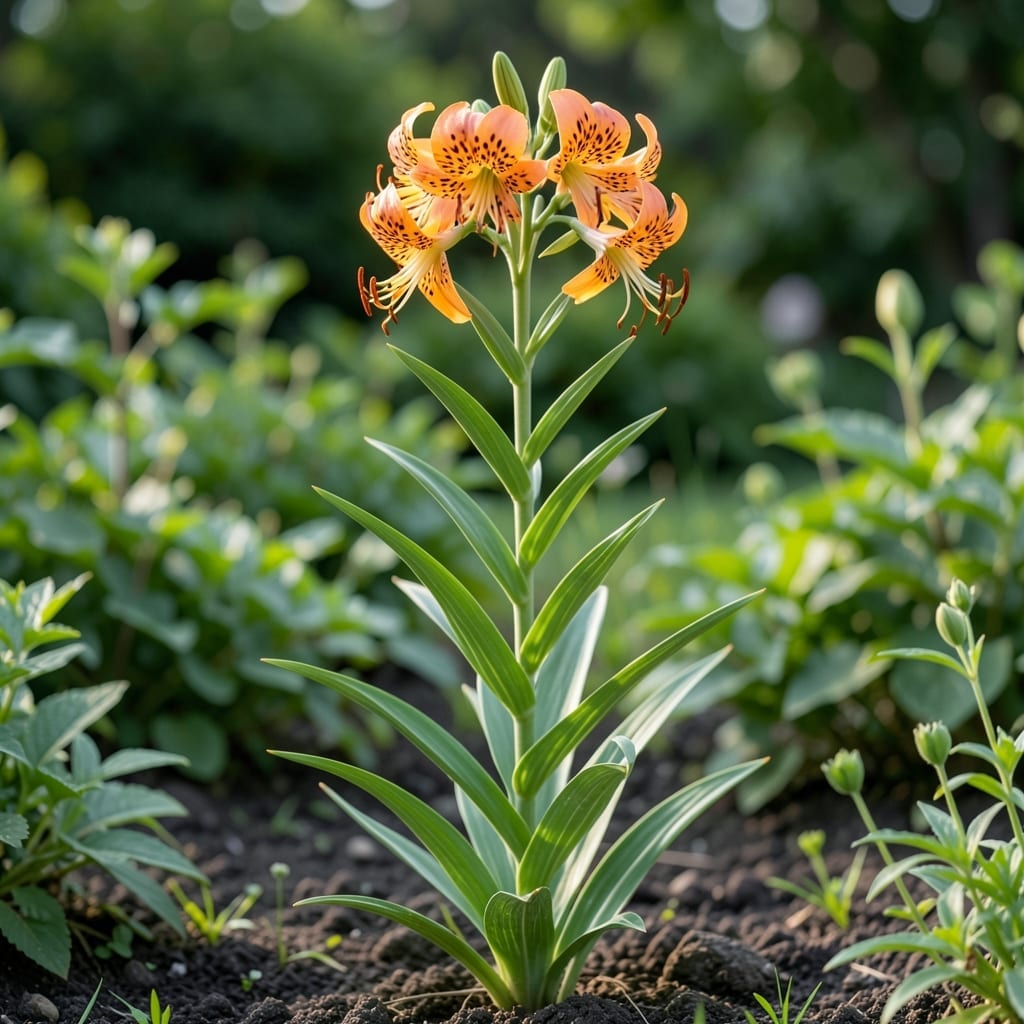
There’s something magical about watching 🌷 Tiger Lilies burst into their fiery orange blooms each year. As a gardener, I know the anticipation of waiting for those first vibrant petals to appear.
Timing is everything with these striking perennials. Their bloom season typically arrives in mid-to-late summer, but several factors can shift this schedule. Understanding these nuances helps you plan and enjoy their beauty at peak performance.
Discover how climate, care, and location influence when your Tiger Lilies will steal the show in your garden. Let’s dig into the details that make all the difference.
I love how Tiger Lilies transform gardens with their bold orange blooms and distinctive spots. These perennials follow a predictable seasonal rhythm that savvy gardeners can plan around.
In most regions, you’ll see the first flower buds appear in early summer, with full blooms arriving shortly after. The timing varies slightly depending on your climate zone and local conditions.
| Stage | Timing | Notes |
|---|---|---|
| Bud Formation | Early Summer | June in most zones |
| Peak Bloom | Mid-to-Late Summer | July-August 2-3 week window |
| Late Blooms | Late Summer | Cooler zones may see August flowers |
| Fading | Early Fall | September in northern areas |
In USDA zones 3-5, Tiger Lilies typically bloom in mid-July through August. The cooler spring delays their development slightly compared to warmer regions.
Gardeners in zones 6-9 often enjoy blooms starting in late June. The warmer temperatures accelerate growth, bringing those stunning flowers earlier in the season.
The bloom duration is surprisingly brief but spectacular. Expect each flower to last about 2-3 weeks at its peak before petals begin to drop.
I’ve noticed that well-established clumps tend to bloom more reliably and abundantly. First-year plantings might produce fewer flowers as the bulbs focus on root development.
For the earliest blooms, plant bulbs in full sun locations. Partial shade can delay flowering by 1-2 weeks as the plants receive less energy.
Soil conditions also play a role. Tiger Lilies thrive in well-draining soil with consistent moisture. Waterlogged roots can stunt growth and delay blooming.
If you’re in a particularly hot climate, afternoon shade can actually help extend the bloom period by preventing petal scorch from intense summer sun.
🌷
I’ve found that with some strategic planning, you can enjoy Tiger Lilies for longer than their natural 2-3 week window. These perennials respond well to thoughtful care and timing adjustments.
One of my favorite tricks is staggered planting. By planting bulbs in different locations with varying sun exposure, you can create a extended bloom sequence.
For earlier blooms, start bulbs indoors in containers about 6-8 weeks before your last frost date. This gives them a head start on the growing season.
In cooler climates, try planting bulbs in black plastic or dark containers. These absorb more heat, warming the soil and potentially speeding up growth by 1-2 weeks.
I always recommend mulching around your Tiger Lilies. A 2-3 inch layer of organic mulch helps maintain soil temperature and moisture, both crucial for optimal blooming.
Remember that over-fertilizing can actually delay blooming. Stick to a balanced 5-10-10 formula and avoid high-nitrogen feeds after spring, as these promote leaf growth over flowers.
With these techniques, I’ve managed to extend my Tiger Lily season by 3-4 weeks in some years. The key is consistency and paying close attention to your plants’ needs.
🌷