
Beautiful Plants For Your Interior
Beautiful Plants For Your Interior
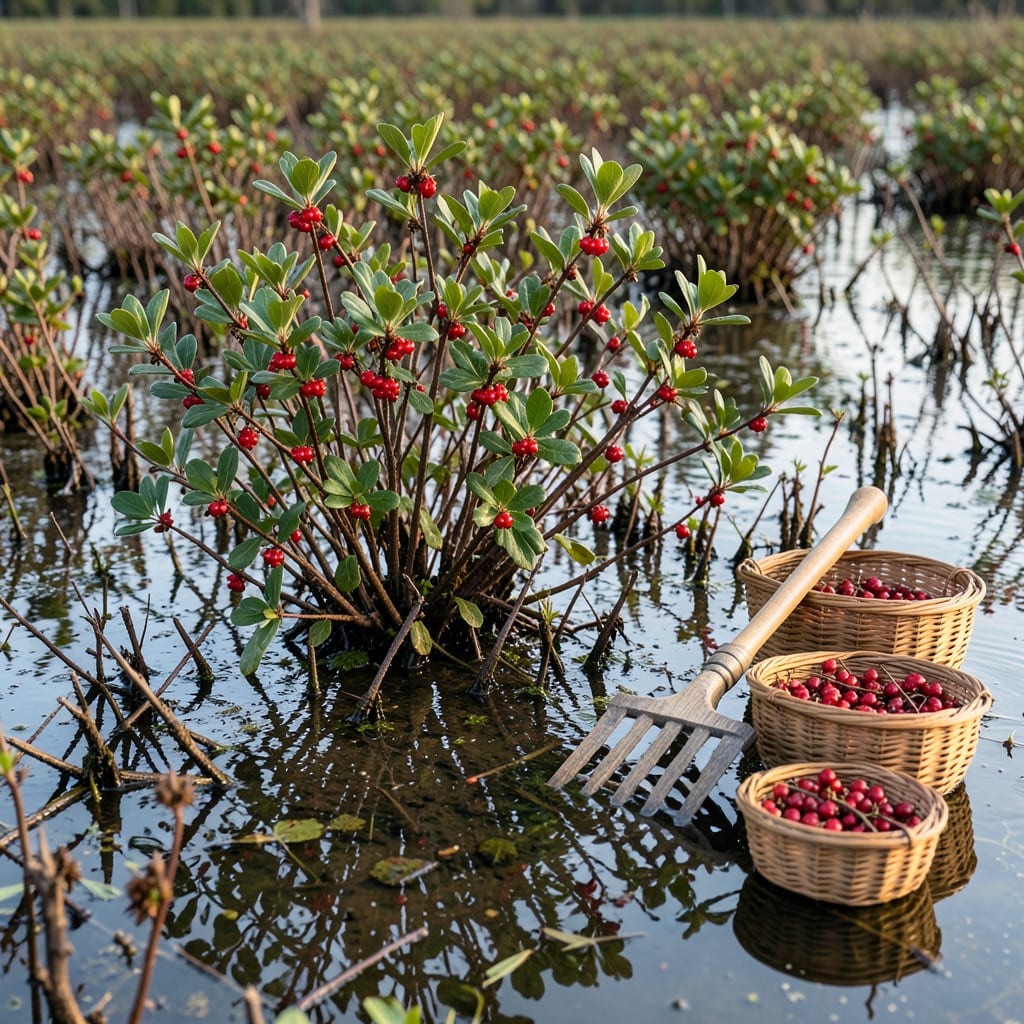
There’s something magical about seeing cranberry bogs turn into a sea of vibrant red each fall. The 🍒 cranberry harvest is a carefully timed event that transforms the landscape.
I’ll show you when this seasonal spectacle happens and how to recognize the perfect moment. Whether you’re a grower or just curious, you’ll discover the ideal timing and methods.


The cranberry harvest typically occurs between mid-September and early November, depending on the region and weather conditions. This window ensures berries reach their peak color and sugar content for the best quality.
I’ve found that timing varies by location, with colder climates like Wisconsin and Massachusetts starting earlier, while warmer areas such as New Jersey or the Pacific Northwest may extend into late fall.☀️
| Region | Peak Harvest Months | Climate Impact |
| Wisconsin | Mid-Sept to Oct | Cool nights, cold winters |
| Massachusetts | Late Sept to Oct | Moderate fall temperatures |
| New Jersey | Oct to Early Nov | Warmer, humid fall |
| Pacific Northwest | Oct to Mid-Nov | Mild, wet climate |
Wisconsin leads the nation in cranberry production, with its cool fall nights helping berries develop their signature deep red hue and balanced sweetness. Growers here often begin harvesting in mid-September.
In Massachusetts, the second-largest producer, the season kicks off slightly later. The sandy bogs of Cape Cod and Plymouth County are at their most vibrant in late September through October.
New Jersey and the Pacific Northwest enjoy a longer window, sometimes stretching into November. Their milder climates allow berries to ripen more slowly, which can enhance flavor complexity.
I always recommend checking local weather forecasts closely. An early frost can accelerate ripening, while a warm spell might delay it. Growers must balance berry color, firmness, and sugar levels to pick the perfect moment.
The USDA Hardiness Zones also play a role. Cranberries thrive in Zones 2-7, with harvest timing shifting earlier in colder zones and later in warmer ones. This ensures the fruit matures before winter sets in.
For home gardeners, I suggest starting to monitor berries in early September. Look for that deep red color and test a few by dropping them—they should bounce when ripe.🌿
Commercial cranberry harvesting uses two primary methods: wet and dry. Each serves a different purpose and affects the berry’s final use. Wet harvesting is the most common, creating those iconic floating red bogs we associate with fall.
I’ve seen both methods in action, and the choice depends on whether the cranberries are destined for fresh sales or processed products. The technique impacts berry quality and storage potential significantly.☀️
| Method | Process | Primary Use |
|---|---|---|
| Wet Harvest | Bogs flooded, berries float to surface | Processed products |
| Dry Harvest | Mechanical or hand picking from dry vines | Fresh market |
Wet harvesting involves flooding the bogs with 12-18 inches of water. The cranberries, which have air pockets, float to the surface where they’re corralled and collected. This method is highly efficient for large-scale operations.
Dry harvesting uses mechanical pickers or hand labor to gather berries directly from the vines. This is more labor-intensive but produces higher quality fruit that can be sold fresh. The berries are less bruised and have a longer shelf life.
I recommend wet harvesting for those growing cranberries for juice, sauce, or dried products. The water method can handle large volumes quickly. For home gardeners or small farms aiming for the fresh market, dry harvesting preserves berry integrity better.
Both methods require careful timing. The bogs must be prepared in advance for wet harvesting, while dry harvesting needs firm berries that won’t bruise easily. Weather plays a role too – dry conditions are ideal for mechanical picking.🌿
For backyard growers, the cranberry harvest window typically runs from September through November. The key is watching for visual ripeness cues rather than relying solely on the calendar. I always start checking my plants in early fall.
Your cranberries are ready when they turn a deep red color and feel firm to the touch. The classic test is the bounce test—ripe berries will bounce when dropped from a few inches high. This indicates they’ve developed the right internal structure and sugar content.☀️
Hand-picking works well for small gardens. Use a gentle twisting motion to remove berries from the vine. This method preserves plant health and berry quality but can be time-consuming for larger patches.
For slightly larger home setups, consider a small mechanical picker. These handheld devices comb through the vines, collecting berries more efficiently. Just be careful not to damage the plants or bruise the fruit.
I recommend harvesting in the morning hours when berries are cool and firm. Always use clean containers to prevent contamination. After picking, sort through your harvest to remove any green or damaged berries before storage.🌿
Look for a deep red color and firm texture. The classic test is dropping a berry—if it bounces, it’s ripe. They should also detach easily from the vine.
Flooding causes cranberries to float due to their air pockets, making large-scale collection much easier. This wet harvesting method is efficient for processed products like juice or sauce.
For small gardens, hand-picking with a gentle twist works well. It preserves berry quality and plant health, though it’s more time-consuming than mechanical methods.
Yes, early frost can accelerate ripening, while warm spells may delay it. Growers monitor berry color, firmness, and sugar levels to pick the perfect moment.
