
Beautiful Plants For Your Interior
Beautiful Plants For Your Interior
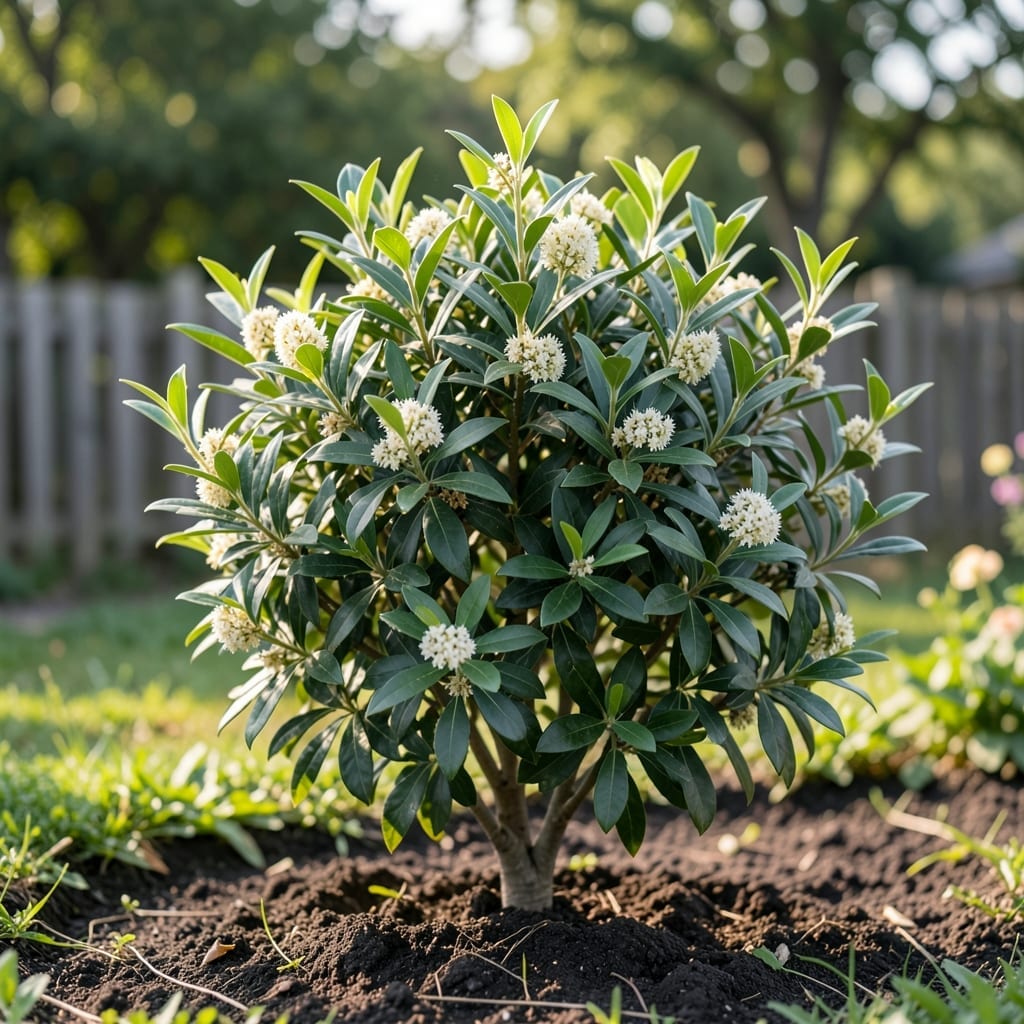
There’s nothing quite like the sweet, intoxicating scent of the 🌿 Tea Olive wafting through your garden. But if you’re not seeing those fragrant blooms, timing might be the culprit.
This hardy shrub has a blooming schedule that surprises many gardeners. Understanding its rhythms can help you plan and care for your Tea Olive more effectively.
I’ve learned that these plants have a most important blooming window that varies by climate. The good news? With the right knowledge, you can encourage more of those beautiful, aromatic flowers.
Discover when to expect your Tea Olive to burst into bloom and how to create the ideal conditions for a spectacular show.
If you’re growing tea olive trees (Osmanthus fragrans), you’ll want to mark your calendar for their primary blooming season. In most regions, these fragrant shrubs burst into flower from late summer to early winter, with peak blooms in fall.
The exact timing depends heavily on your climate zone. In warmer areas like USDA zones 9-10, blooming can start as early as August and continue through December. Cooler zones may see a shorter window.☀️
| Climate Zone | Primary Bloom | Secondary Bloom |
|---|---|---|
| Zones 7-8 | September–October | Sporadic in spring |
| Zones 9-10 | August–December | Occasional summer flowers |
| Coastal Areas | October–November | Rare spring flush |
I’ve noticed that temperature fluctuations can trigger secondary blooms. A sudden warm spell in spring might coax out a few flowers, though they’re usually less abundant than the fall display. This is nature’s way of rewarding attentive gardeners.
For the most reliable fragrance, focus on the fall bloom. The cooler nights and shorter days of autumn signal the plant to produce its signature tiny white flowers, which pack a powerful scent.
If you live in a mild winter climate, don’t be surprised if your tea olive produces spontaneous blooms in December or January. These off-season flowers are a bonus, though they may be sparse.
In my experience, well-established plants in optimal conditions tend to bloom more consistently. A sheltered location with partial sun and well-draining soil can extend the blooming period by several weeks.
For gardeners in cooler zones, consider planting near a south-facing wall to capture extra warmth. This can help delay the first frost and give your tea olive a few more weeks to flower.🌿
Remember, pruning timing affects blooming. Avoid heavy pruning in late summer, as this can remove flower buds. Instead, prune right after the main bloom to shape the plant without sacrificing next year’s flowers.
The fragrance intensity peaks in the evening, making tea olives a perfect addition near patios or windows. I love how the scent carries on a gentle breeze, filling the garden with a sweet, apricot-like aroma.🌳
If your Tea Olive isn’t blooming as much as you’d like, I’ve found that proper care makes all the difference. These fragrant shrubs respond beautifully to the right conditions and a little extra attention.
The key is understanding their needs: well-draining soil, consistent moisture, and the right amount of sunlight can dramatically increase flower production.
I always recommend pruning right after the main bloom cycle. This gives your Tea Olive time to develop new flower buds for the next season while maintaining its shape.
Sunlight is another critical factor. In my experience, Tea Olives in shadier spots produce fewer blooms. Aim for at least partial sun exposure to see the best floral display.
Don’t overlook soil quality. These plants thrive in slightly acidic to neutral soil. I like to amend the planting area with compost to improve drainage and fertility.
Finally, remember that consistent care throughout the growing season leads to the most spectacular blooms. With these tips, your Tea Olive will reward you with its signature fragrance year after year 🌿