
Beautiful Plants For Your Interior
Beautiful Plants For Your Interior
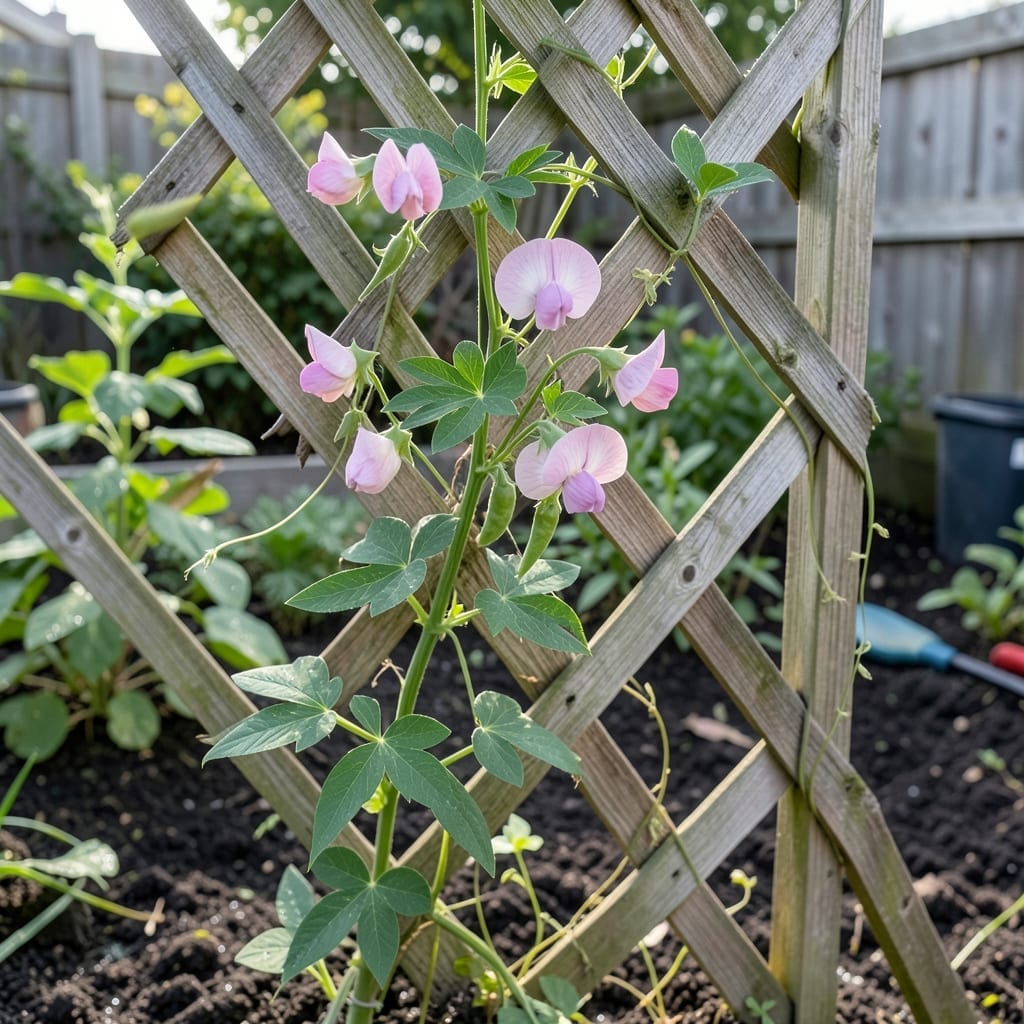
There’s nothing quite like watching Sweet Pea 🌸 vines burst into color, transforming your garden into a fragrant paradise. But timing is everything with these delicate climbers.
I’ve learned that their blooming period can make or break your growing season. Whether you’re a seasoned gardener or just starting out, knowing when to expect those first flowers is the key to success.
Discover the seasonal timeline for Sweet Pea blooms and how to maximize their beauty in your garden. Let’s get started.
If you’re wondering when sweet peas bloom, the answer depends largely on your climate zone and planting time. In cooler regions like USDA Zones 3-5, these fragrant climbers typically start flowering in early summer when planted in spring.
For gardeners in Zones 6-8, where winters are milder, you can often enjoy blooms as early as late spring if you sow seeds in fall. This timing gives the plants a head start before warmer weather arrives.
| Climate Zone | Planting Time | Bloom Start | Peak Bloom |
|---|---|---|---|
| Zones 3-5 | Early Spring | Early Summer | Mid-Summer |
| Zones 6-8 | Fall or Early Spring | Late Spring | Early Summer |
| Zones 9-10 | Winter | Early Spring | Late Spring |
In Zones 9-10, where winters are warm, sweet peas can be planted in winter for blooms that appear in early spring. This extended growing season allows for multiple flushes of flowers.
Regardless of your zone, proper care is essential to maximize blooming. Ensure your plants receive full sun and consistent moisture, especially during the bud formation stage. A well-draining soil rich in organic matter will also encourage healthy growth.
For those in cooler climates, starting seeds indoors 4-6 weeks before the last frost date can give your sweet peas a jump start. Transplant them outdoors once the soil has warmed, and you’ll likely see blooms 2-3 weeks earlier than direct-sown plants.
If you’re in a region with hot summers, consider planting sweet peas in a location with afternoon shade to protect them from scorching temperatures. This can extend the blooming period by preventing premature heat stress.
Deadheading spent blooms regularly is another key to prolonging the flowering season. By removing faded flowers, you encourage the plant to produce more buds rather than setting seed. This simple practice can keep your sweet peas blooming for weeks longer.
With the right timing and care, you can enjoy sweet pea blooms from late spring through early fall in many regions, filling your garden with color and fragrance for months on end.
🌸I’ve found that with the right care, you can extend sweet pea blooms well beyond their natural season. These delicate climbers respond beautifully to consistent attention, especially when it comes to their basic needs.
One of the most effective ways to prolong flowering is through regular deadheading. By removing spent blooms, you prevent the plant from putting energy into seed production and instead encourage more flower growth.
In my experience, watering practices make a huge difference. Sweet peas prefer consistent moisture but dislike soggy conditions. I aim for about 1 inch of water weekly, delivered at the base to keep foliage dry.
Don’t overlook the importance of proper support. A sturdy trellis or fence not only keeps vines upright but also improves air circulation, which helps prevent fungal diseases that can cut blooming short.
For an extra boost, I recommend a balanced fertilizer with higher phosphorus content. This nutrient specifically promotes flower production. Apply it every 4-6 weeks during the growing season for best results.
Finally, remember that temperature matters. Sweet peas thrive in cool to moderate temperatures. In hot climates, consider planting where they’ll get afternoon shade to protect them from heat stress.
🌸