
Beautiful Plants For Your Interior
Beautiful Plants For Your Interior
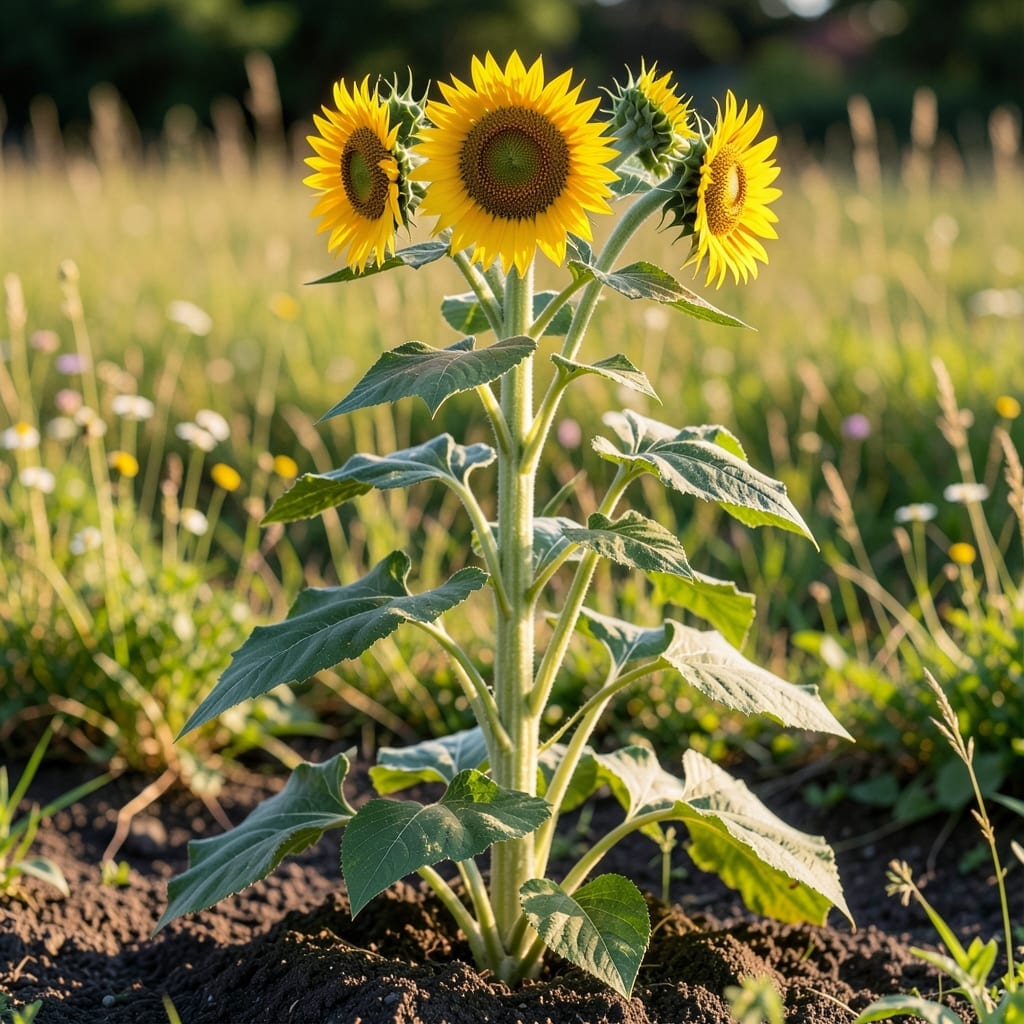
There’s something magical about watching the 🌻 Sunchoke transform your garden with its sunflower-like blooms. But if you’re new to growing this versatile plant, you might wonder when exactly those cheerful yellow flowers will appear.
Unlike some plants with predictable schedules, Sunchokes have a flowering timeline that depends on several factors. From planting time to your local climate in zones 4-9, the bloom period can shift slightly each season.
I’ve learned through experience that these tall beauties typically reward your patience with flowers in late summer. But there are ways to encourage earlier or more abundant blooms if you know the right techniques.
Discover what influences their flowering season and how to create the ideal conditions for your Sunchokes to thrive and bloom at their best.
If you’ve planted sunchokes for their cheerful sunflower-like blooms, you’ll want to know when to expect those golden flowers. Typically, sunchokes begin flowering in late summer to early fall, with peak blooms in August and September. 🌻
The exact timing depends on your climate zone and planting date. In warmer regions, blooms may appear earlier, while cooler areas might see flowers closer to early fall. The plants usually take 90–120 days from planting to flowering.
| Stage | Timeframe | Key Details |
|---|---|---|
| Planting | Early spring | Tubers planted 4–6 inches deep |
| Vegetative Growth | Spring to early summer | Stems and leaves develop rapidly |
| Bud Formation | Mid to late summer | Flower buds appear at stem tips |
| Blooming | Late summer to early fall | Bright yellow flowers open |
| Seed Maturation | Fall | Seeds form if not deadheaded |
Sunchokes are perennial plants, meaning they return each year. In their first year, they focus on tuber and foliage growth, so don’t be surprised if blooms are sparse. By the second year, you’ll see more abundant flowers. ☀️
Climate plays a big role in flowering. In USDA zones 4–9, sunchokes thrive and bloom reliably. If you’re in a cooler zone, planting in a sunny, sheltered spot can encourage earlier flowering. Warmer zones may see blooms as early as July. 🌡️
Soil conditions also influence blooming. Sunchokes prefer well-draining soil and can tolerate poor soil, but rich, fertile soil promotes stronger stems and more flowers. Avoid waterlogged areas, as this can delay flowering or cause root rot. 💧
Watering consistently helps too. While sunchokes are drought-tolerant, providing 1–2 inches of water weekly during the growing season ensures they have the energy to produce blooms. Reduce watering once flowers appear to avoid oversaturation.
If your sunchokes aren’t flowering by late summer, check their sunlight exposure. These plants need full sun (at least 6–8 hours daily) to bloom well. Shady spots often result in leggy growth and few, if any, flowers.
Finally, remember that sunchokes grown from tubers may flower later than those started from seeds. If you’re eager for blooms, plant tubers in early spring to give them a full growing season. With the right care, you’ll enjoy their sunny, daisy-like flowers from late summer onward. 🌼
I love watching sunchokes produce their bright sunflower-like blooms, but timing and care make all the difference. To get the most flowers, start by planting in early spring when soil is workable and 60°F or warmer.
These hardy perennials thrive in full sun with at least 6-8 hours of direct light daily. Poor sunlight often leads to weak stems and fewer blooms, so choose your sunniest spot.
If your sunchokes aren’t flowering by late summer, check for nutrient deficiencies. A soil test can reveal if you need to add phosphorus or potassium to support blooms.
Another common issue is planting too late. Tubers need 120-150 days to mature, so late plantings may miss the flowering window. In cooler zones, start tubers indoors in pots to get a head start.
Mulching helps retain moisture and keeps soil temps steady, which can encourage earlier blooms. Use straw or shredded leaves but keep mulch away from stems to prevent rot.
Finally, remember that young plants may focus on tuber production first. Give them a full season to establish, and you’ll see more vibrant yellow flowers the following year. ☀️