
Beautiful Plants For Your Interior
Beautiful Plants For Your Interior
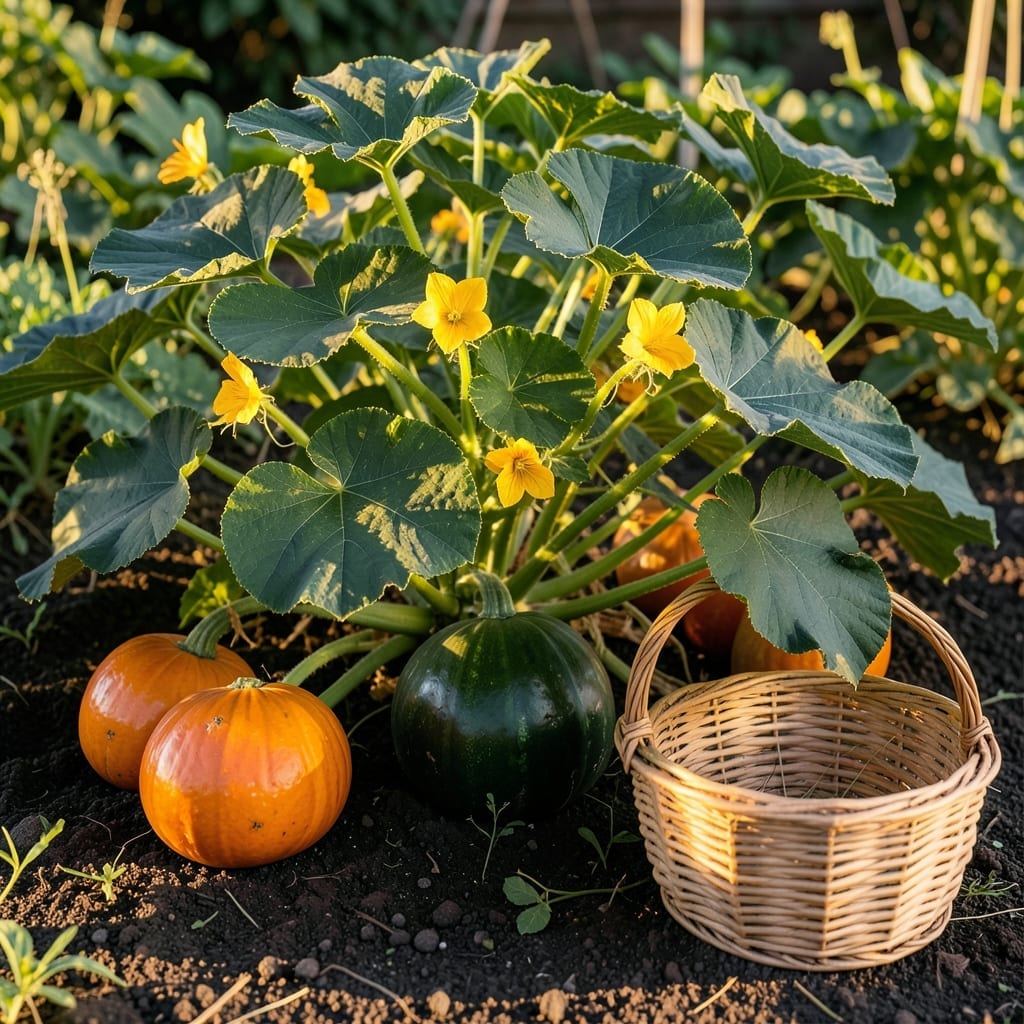
Watching your 🎃 Squash plants grow is exciting, but knowing exactly when they’ll start producing fruit can help you plan for a bountiful harvest. The timeline varies by variety, growing conditions, and care practices.
I remember the first time I planted Squash in my garden – the anticipation was almost too much. You might be surprised by how quickly some varieties can go from seed to harvest.
From summer to winter types, each has its own pace. The key is understanding what to expect and how to support your plants through each growth stage.
Discover the typical timeline and factors that can speed up or delay your Squash production. Let’s dig into what makes these plants thrive.
If you’re wondering when squash start producing, the answer depends on the variety you’re growing. Summer squash like zucchini typically produce fruit 45-60 days after planting, while winter squash varieties often take 80-120 days. This timeline starts from when seeds are sown in warm soil.
For the fastest results, I recommend starting with bush-type summer squash, which often begin producing within 50 days. Vining types may take slightly longer, but all squash need warm soil (at least 60°F) to germinate and grow efficiently.
| Variety | Days to Maturity | First Harvest |
|---|---|---|
| Zucchini | 45-55 days | Early summer |
| Yellow Squash | 50-60 days | Early to mid-summer |
| Butternut | 80-100 days | Late summer to fall |
| Acorn | 80-120 days | Fall |
The flowering stage is a critical indicator. Squash plants typically begin flowering 30-40 days after germination. Male flowers appear first, followed by female flowers ( identifiable by the tiny fruit at their base) a week or two later.
Once female flowers appear, fruit development is rapid. I’ve seen zucchini grow from flower to harvest-ready in just 4-6 days under ideal conditions. For winter squash, this process takes longer, often 20-30 days from pollination to maturity.
Environmental factors play a huge role. Squash plants in full sun (6-8 hours daily) with consistent watering (1-2 inches per week) will produce faster. Cooler temperatures or insufficient sunlight can delay production by 10-20 days.
Soil quality matters too. I always amend my squash beds with compost or aged manure before planting. This provides the nutrients needed for rapid growth. A balanced fertilizer (10-10-10) applied at planting and again when flowers appear can also speed up production.
Remember that pollination is essential for fruit set. Squash rely on bees and other pollinators to transfer pollen from male to female flowers. If you notice many flowers but no fruit, try hand-pollinating with a small paintbrush.
In my experience, succession planting every 2-3 weeks extends the harvest season. This means you’ll have continuous production rather than one large harvest. Just be sure to stop planting 90-100 days before your first frost for winter varieties.
Finally, watch for the first signs of fruit. With summer squash, you can often harvest when the fruit is 4-6 inches long. For winter squash, wait until the rind is hard and the stem is dry. This ensures the best flavor and storage life 🌱
If you’re wondering when squash start producing, several variables can either accelerate or delay your harvest. I’ve found that soil temperature and watering consistency are the top influencers.
Warm soil above 60°F kickstarts growth, while inconsistent watering can stress plants and slow fruit development. Even pollination success plays a huge role in production speed.
I always recommend using mulch to maintain soil moisture and regulate temperature. This simple step can shave days off your harvest timeline.
Pollination is another critical factor. If you notice flowers dropping without fruiting, it might mean poor pollination. I’ve had success with hand-pollinating using a small brush.
For fertilizer, I use a 5-10-10 NPK ratio to support fruit development. Apply it early in the morning for best absorption.
Finally, keep an eye out for pests like squash bugs. They can stunt growth and delay production. Regular inspections and organic pesticides work wonders. ☀️
By managing these factors, you’ll see your squash plants producing right on schedule—or even a little early. 🌱