
Beautiful Plants For Your Interior
Beautiful Plants For Your Interior
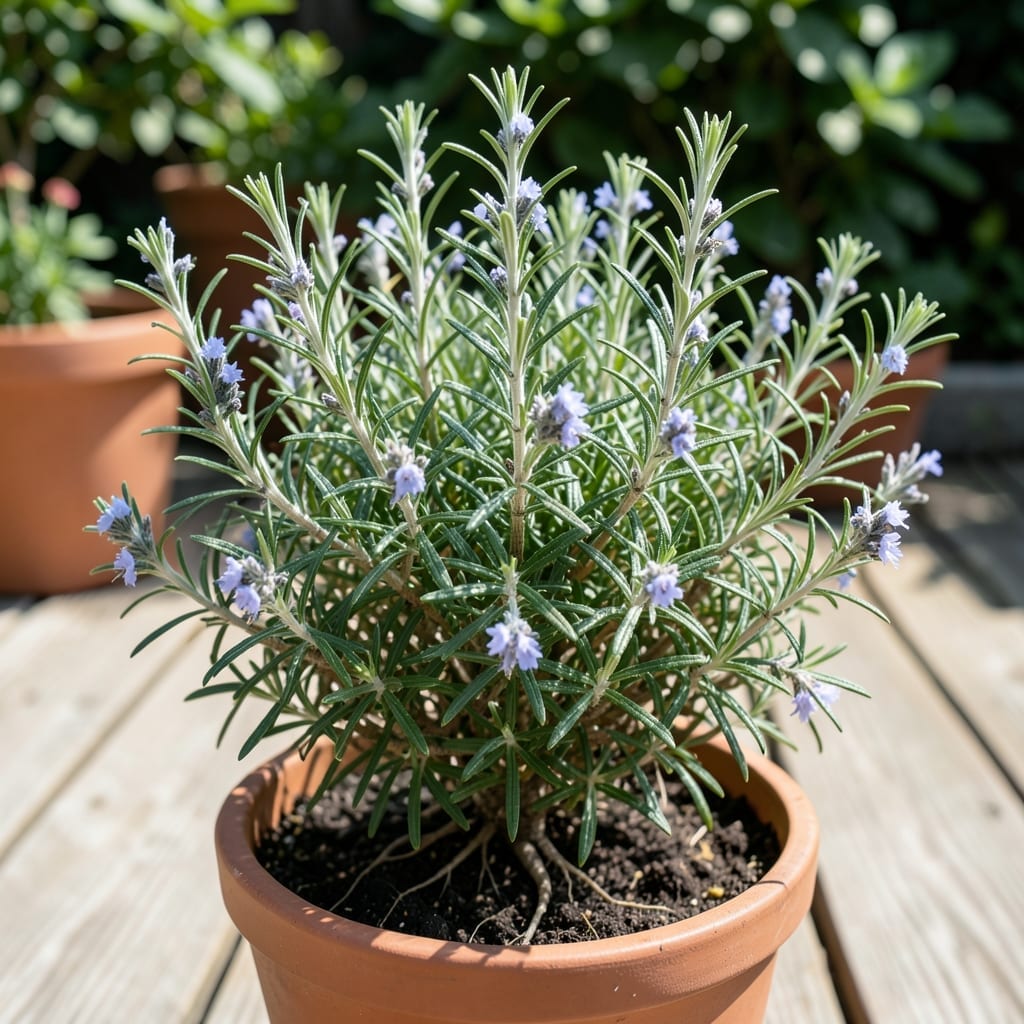
Salvias bring vibrant color and pollinator-friendly blooms to gardens, but their flowering times vary wildly by species. I’ve learned that knowing when your 🌸 Salvia will bloom helps you plan a garden with nonstop color.
Whether you’re planting in Zone 6 or elsewhere, timing matters. Some varieties burst into bloom in early summer, while others wait until late season to shine.
Discover how to align your garden’s bloom schedule with these beautiful plants. Let’s explore the seasonal timeline for different Salvia types.
I’ve found that Salvia bloom times vary dramatically by type. Some, like Salvia nemorosa, start flowering in early summer, while others bloom later in the season.
For example, Salvia coccinea often blooms from June to frost, providing months of vibrant red flowers. Meanwhile, Salvia leucantha waits until late summer to show off its purple spikes.
| Variety | Bloom Start | Bloom End | Peak Color |
|---|---|---|---|
| Salvia nemorosa | June | September | July-August |
| Salvia coccinea | May | Frost | June-August |
| Salvia leucantha | August | October | September |
| Salvia officinalis | June | July | Late June |
| Salvia greggii | April | November | May-October |
In my garden, I’ve noticed Salvia greggii is a superstar performer. It blooms almost year-round in warmer climates, with peak color from spring to fall.
For cooler regions like USDA Zone 6, Salvia nemorosa is a reliable choice. It handles cold winters well and reblooms if deadheaded properly.
I recommend planting early bloomers like Salvia coccinea near late bloomers such as Salvia leucantha. This creates a staggered bloom schedule for continuous color.
Pro tip: In hot climates, afternoon shade can help extend the bloom season for many salvias. I’ve seen this work wonders with Salvia farinacea.
Remember that soil conditions and watering habits also affect bloom times. Well-draining soil is crucial for healthy salvias that flower reliably.
Finally, I’ve learned that regular deadheading encourages more blooms. Remove spent flowers weekly to keep your salvias looking their best 🌸
I’ve discovered that with proper care, you can extend salvia blooms well beyond their natural season. The key is consistent maintenance and timely interventions.
One of the simplest ways is regular deadheading. I remove spent flowers weekly to encourage new blooms. This keeps plants energized and productive.
In my experience, pruning back salvias by one-third after their first bloom cycle often triggers a second flush of flowers. This works especially well with Salvia nemorosa.
Watering deeply but infrequently helps too. I give my salvias 1-2 inches of water weekly, allowing the soil to dry slightly between waterings.
A light fertilizer every 4-6 weeks gives salvias the nutrients they need. I use a balanced 5-10-10 formula for consistent results.
For hot climates, I recommend afternoon shade. This prevents heat stress and helps blooms last longer. My Salvia farinacea thrives with this approach.
Finally, mulching around the base helps retain moisture and regulate soil temperature. This simple step can make a big difference in bloom duration 🌸