
Beautiful Plants For Your Interior
Beautiful Plants For Your Interior
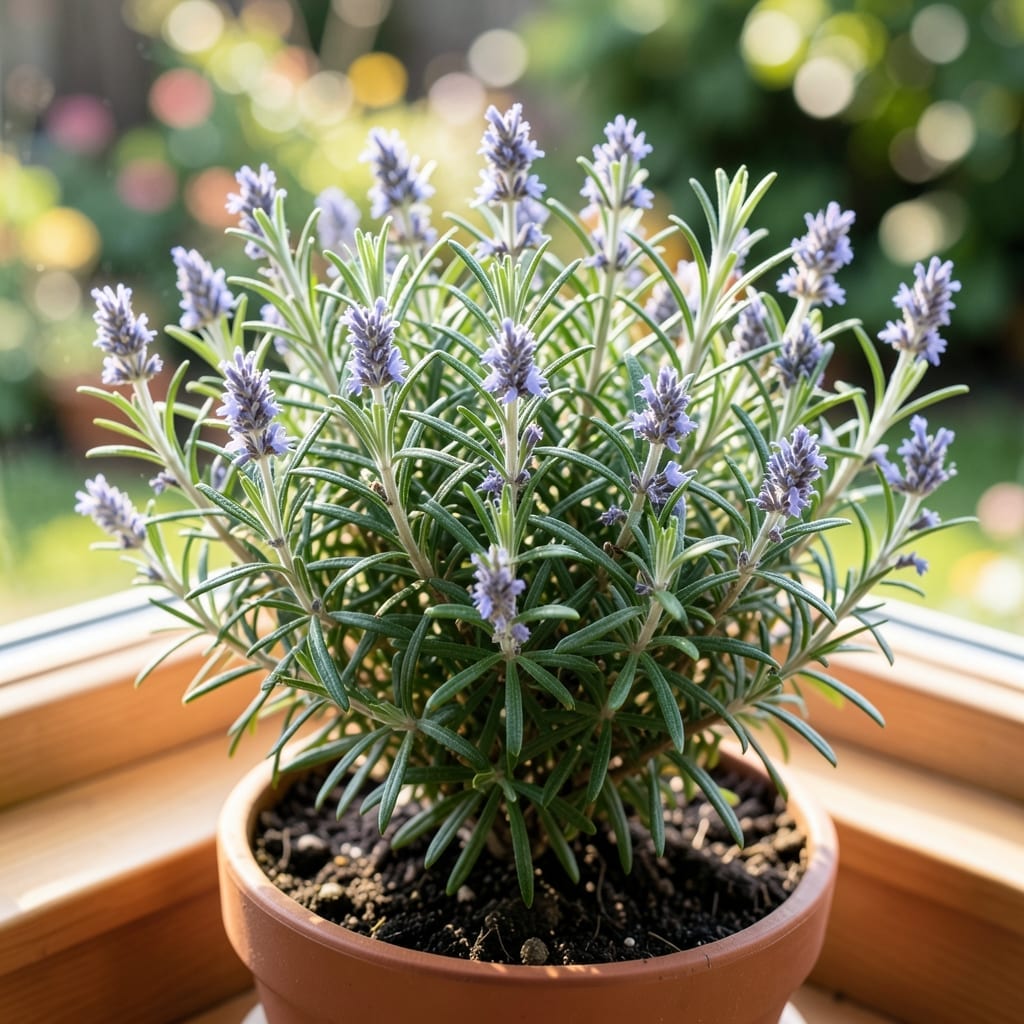
There’s something magical about seeing 🌿 Rosemary burst into bloom with its delicate blue, purple, or white flowers. These blossoms aren’t just beautiful – they’re a sign your plant is thriving.
But here’s the catch: the timing isn’t the same for everyone. Your neighbor’s rosemary might flower while yours stays stubbornly green, and it often comes down to climate and care.
I’ve learned that understanding your growing zone makes all the difference. Whether you’re in zones 8-10 or a cooler area, there’s a pattern to when those blooms will appear.
Discover the secrets to predicting your rosemary’s flowering season and how to encourage more of those gorgeous blooms in your garden.
If you’re growing rosemary, you’ll notice its fragrant blooms don’t follow a one-size-fits-all schedule. The timing depends heavily on your climate zone and local conditions. I’ve found that warmer regions often see flowers earlier in the season.
In Mediterranean climates, like USDA zones 8-10, rosemary typically blooms in late winter to early spring. Cooler areas may experience a shorter window, with flowers appearing in summer or even early fall. 🌿
| Climate Zone | Primary Bloom Time | Secondary Bloom |
|---|---|---|
| Zones 8-10 | Late winter to spring | Occasional fall |
| Zones 5-7 | Early to mid-summer | Late summer |
| Zones 2-4 | Mid to late summer | Rare fall blooms |
I’ve noticed that temperature fluctuations can trigger blooming. In warmer zones, rosemary may flower twice a year—once in spring and again in fall. This is especially true for established plants with ideal conditions. ☀️
For cooler climates, like zone 5-7, rosemary often waits until summer’s heat arrives. The longer daylight hours and warmer soil encourage the plant to produce its blue or purple flowers. If winters are harsh, expect a single bloom cycle.
In tropical zones, rosemary might bloom year-round, though the flowers may be less abundant in the hottest months. I’ve seen this in zone 11, where the plant thrives with consistent warmth and minimal frost risk.
Container-grown rosemary can have a slightly different schedule. If you’re moving pots indoors during cold months, the reduced light may delay blooming. I recommend placing them near a south-facing window to mimic outdoor conditions.
Another factor is plant maturity. Young rosemary may take 1-2 years to produce its first flowers. Once established, though, it can bloom reliably each year if given proper care and pruning. ✂️
If your rosemary isn’t blooming, check its sunlight exposure. This plant needs 6+ hours of direct sun daily. Without it, you’ll get lush foliage but few to no flowers. I’ve fixed this issue by relocating plants to sunnier spots.
Finally, watering habits play a role. Rosemary prefers dry soil between waterings. Overwatering can stress the plant and reduce flowering. I water mine deeply but infrequently, letting the soil dry out completely first. 💧
Getting your rosemary to flower more abundantly starts with the basics. I’ve found that full sun exposure for 6+ hours daily is non-negotiable for vibrant blooms. Without enough light, the plant focuses on foliage instead of flowers.
Another key factor is well-draining soil. Rosemary hates soggy roots, so I always use a mix with sand or perlite to prevent waterlogging. This encourages a stronger root system that supports flowering.
I also pay close attention to watering habits. Overwatering is a common mistake that leads to fewer blooms. I water deeply but only when the top 1-2 inches of soil are dry, especially in hot climates.
Pruning plays a big role too. After the first flush of flowers fades, I trim back one-third of the growth to stimulate fresh shoots. These new stems often produce the next round of blooms.
If your rosemary still isn’t flowering, check its nutrient levels. Too much nitrogen promotes leafy growth at the expense of flowers. A light feeding of phosphorus-rich fertilizer can help shift the balance.
Finally, remember that patience pays off. Rosemary plants often take a full growing season to establish before they bloom prolifically. With the right care, you’ll be rewarded with waves of fragrant flowers from spring to fall ☀️