
Beautiful Plants For Your Interior
Beautiful Plants For Your Interior
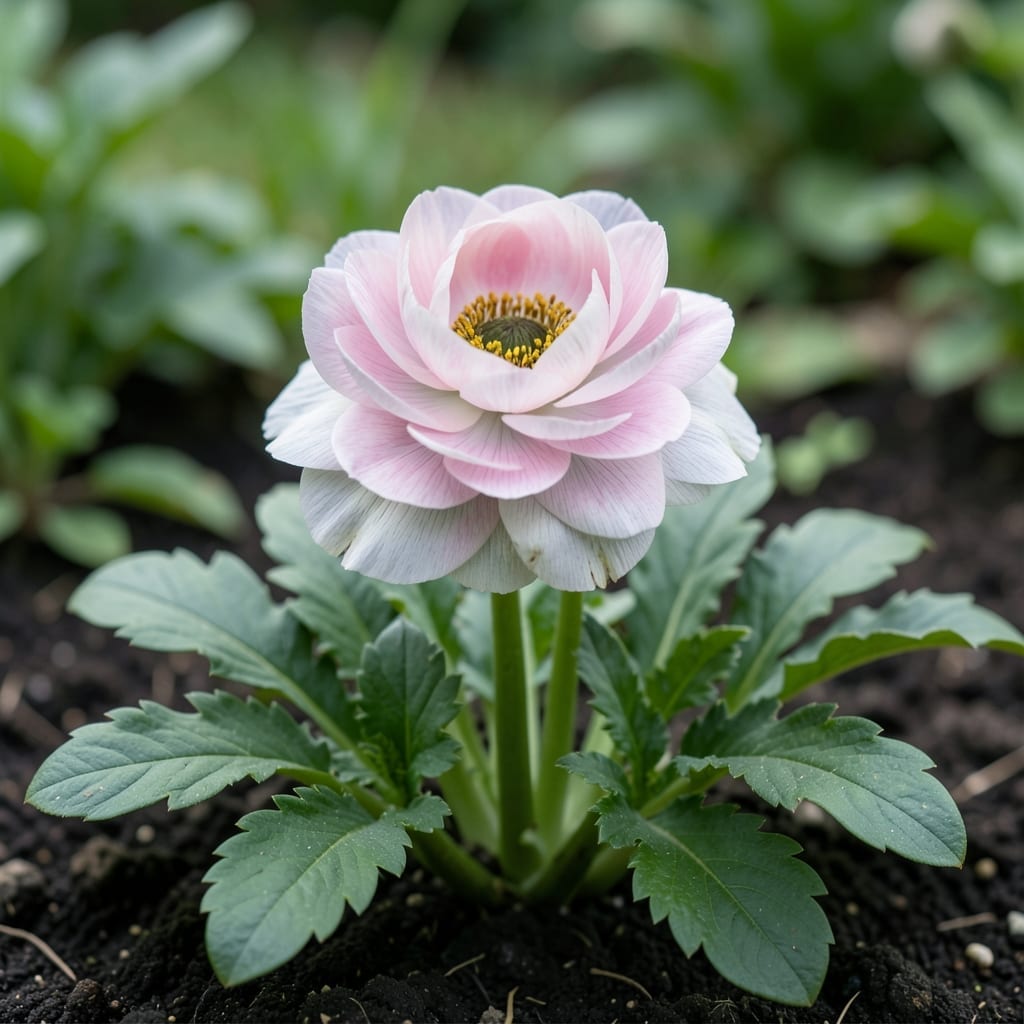
There’s something magical about watching 🌸 Ranunculus burst into bloom, their delicate layers unfolding like nature’s own origami. But timing their colorful display can feel like solving a puzzle.
As a gardener, I’ve learned that these beauties follow a predictable seasonal rhythm – one that varies slightly depending on where you live. The key lies in understanding their natural cycle.
Discover when to expect these vibrant flowers in your garden and how to work with their timeline for the best results. Let’s dig in.
I love how Ranunculus reward patient gardeners with their stunning, paper-like blooms. These flowers have a distinct seasonal rhythm that’s worth understanding.
In most USDA zones 8-11, you can expect flowers from early spring through early summer. The exact timing depends on your local climate and when you planted.
| Zone | Bloom Start | Bloom Peak | Bloom End |
|---|---|---|---|
| 8-9 | March | April-May | June |
| 10 | February | March-April | May |
| 11 | January | February-March | April |
For gardeners in cooler zones 4-7, the timeline shifts later. You’ll typically see blooms from late spring to early summer when planting in fall.
The secret lies in planting time. I always plant Ranunculus corms in fall (September-November) for spring blooms. This gives them time to establish roots before winter.
Temperature plays a big role. These flowers prefer cool spring weather and may stop blooming when temperatures consistently exceed 75°F. In hotter areas, they might finish earlier.
I’ve noticed that soil temperature at planting affects the timeline too. 60°F soil is ideal for corm activation. Too cold, and they’ll delay sprouting; too warm, and they might not bloom properly.
Day length also influences blooming. Ranunculus are long-day plants, meaning they respond to increasing daylight hours. This is why they naturally bloom as days get longer in spring.
In my experience, consistent moisture during the growing period leads to better blooms. I water weekly (about 1 inch) unless rain provides it naturally.
For the longest bloom season, I recommend succession planting. Plant a new batch of corms every 2-3 weeks in fall to extend your flower display into early summer.
Remember that container-grown Ranunculus may bloom slightly earlier than in-ground plants due to better temperature control. Just ensure pots have good drainage.
I’ve found that with a few simple techniques, you can lengthen your Ranunculus bloom season. These methods help control timing and maximize color in your garden.
One of my favorite tricks is staggered planting. By planting corms every 2-3 weeks in fall, I create a continuous bloom cycle that lasts well into summer.
I always pre-soak my corms in lukewarm water before planting. This jumpstarts the growth process and can lead to earlier blooms by up to a week.
For gardeners in warmer zones, container gardening is a game-changer. You can move pots to cooler spots when temperatures rise, extending the bloom period.
Deadheading is another essential practice. Removing spent flowers prevents seed formation and redirects energy to new bloom production.
In my experience, afternoon shade helps prevent heat stress in warmer climates. This simple adjustment can keep your Ranunculus blooming 2-3 weeks longer than in full sun.
Remember that consistent moisture is key. I water my plants deeply once a week, ensuring the soil stays evenly moist but never soggy 🌿