
Beautiful Plants For Your Interior
Beautiful Plants For Your Interior
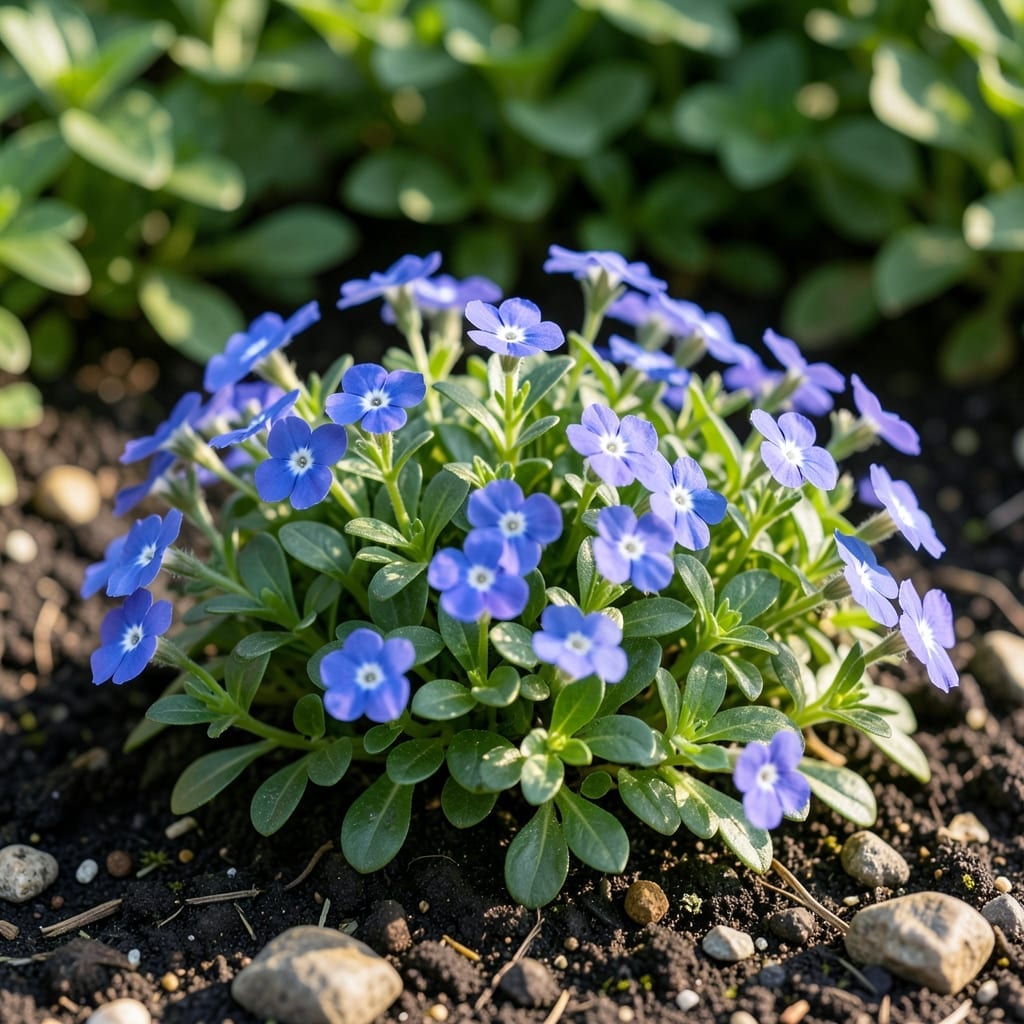
There’s something magical about watching Periwinkle 🌸 burst into bloom, transforming your garden with vibrant colors. But timing is everything when it comes to enjoying their full potential.
I remember the first time I planted these beauties, wondering exactly when I’d see those first flowers appear. The anticipation was almost as exciting as the blooms themselves.
What I discovered changed how I approach gardening with Periwinkle. These resilient plants have a remarkable blooming pattern that’s surprisingly easy to predict once you know what to look for.
Discover the secrets to maximizing your Periwinkle’s flowering season and how to create a garden that stays vibrant for months. The key lies in understanding their natural rhythm.
If you’re wondering when periwinkles bloom, the answer depends on your climate and the Vinca variety. In most regions, these resilient plants burst into color from early spring to fall, with peak blooming in summer.
Vinca major and Vinca minor typically start flowering in April or May, once the soil warms up. They’ll keep producing vibrant blooms until the first frost, making them a garden staple for months.
| Variety | Bloom Time | Climate Notes |
|---|---|---|
| Vinca minor | April–October | Cool to moderate climates |
| Vinca major | May–September | Warmer zones, heat-tolerant |
| Trailing Vinca | June–Frost | Full sun to partial shade |
In warmer climates like USDA zones 7-11, periwinkles may bloom year-round with minimal care. These plants thrive in partial shade to full sun, but too much heat can shorten their flowering period.
For cooler regions, expect blooms to start later—around late May or June. The first flowers often appear after the last frost, when soil temperatures reach at least 60°F.
I’ve noticed that well-drained soil and regular watering help periwinkles bloom more abundantly. Avoid overwatering, as soggy roots can delay flowering or cause root rot.
If your periwinkles aren’t blooming, check their light exposure. These plants need at least 4-6 hours of sunlight daily to produce their signature purple, pink, or white flowers.
Another tip: Deadheading spent blooms encourages more flowers. I like to trim back leggy stems in early summer to promote a second flush of blooms later in the season.
For gardeners in dry climates, periwinkles are a great choice. Their drought tolerance means they’ll keep blooming even when water is scarce, though they’ll look their best with consistent moisture.
Finally, remember that young plants may take a season to establish before producing many blooms. Once mature, though, periwinkles reward you with months of color and minimal effort. 🌿
To keep your periwinkles blooming longer, focus on proper pruning and ideal growing conditions. I’ve found that Vinca minor and Vinca major respond well to light trimming after their first flush of flowers.
This encourages new growth and additional bloom cycles. Start by removing spent flowers to redirect the plant’s energy toward producing more blooms rather than seeds.
For optimal sunlight, place periwinkles in a spot with morning sun and afternoon shade, especially in hotter climates. This prevents heat stress while promoting steady blooming.
A consistent watering schedule is key—1 inch per week works well for most varieties. I water my periwinkles in the early morning to reduce evaporation and fungal risks.
Using a balanced fertilizer like 10-10-10 every 4-6 weeks gives plants the nutrients they need. Avoid over-fertilizing, as this can lead to leafy growth at the expense of flowers.
Finally, mulching helps retain soil moisture and keeps roots cool. I use organic mulch like shredded bark, which also improves soil health as it breaks down. ✂️