
Beautiful Plants For Your Interior
Beautiful Plants For Your Interior
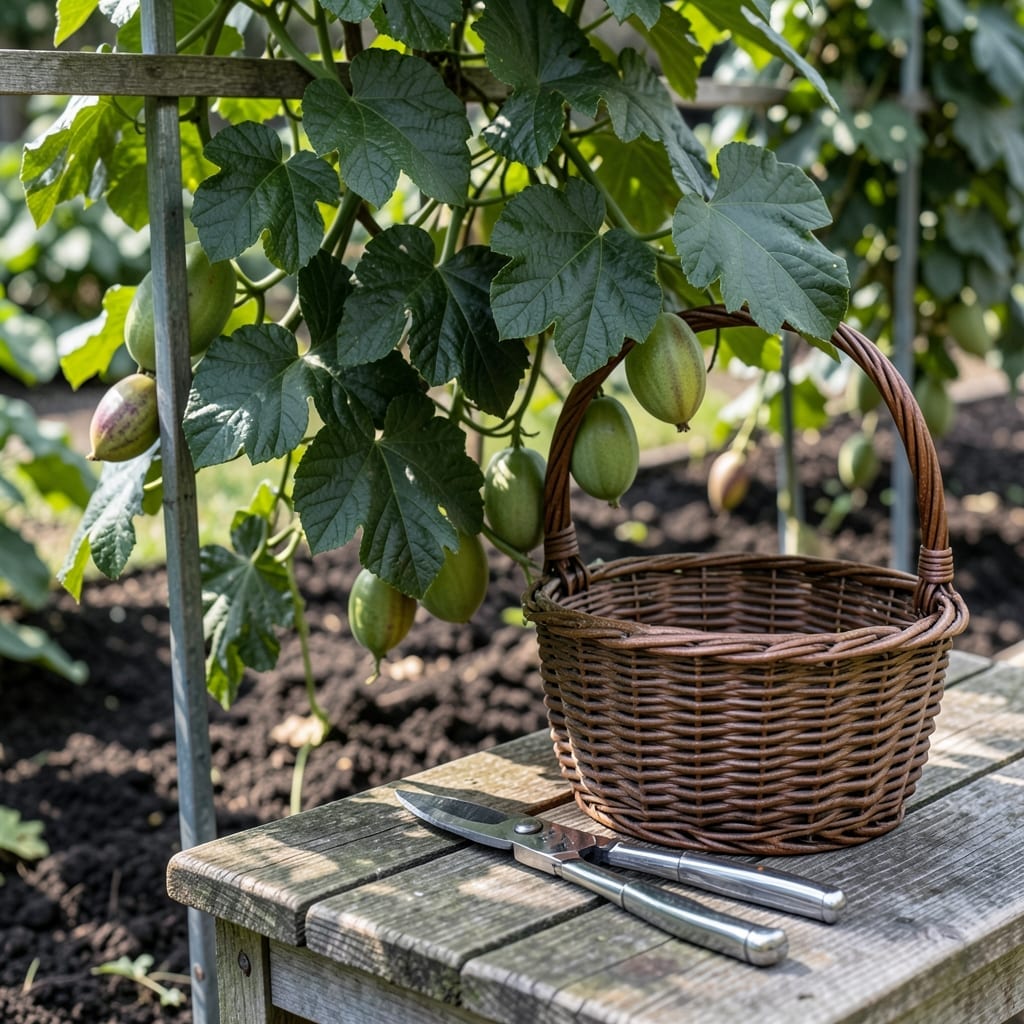
I remember my first Passionfruit 🧡 harvest – I picked them too early and ended up with a mouthful of sour disappointment. Timing is everything with this tropical vine.
Growing in zones 9-11, these fruits transform from hard green orbs to fragrant, juicy treasures. But how do you know they’re ready?
The signs are subtle but unmistakable. A slight wrinkle in the skin, a sweet aroma, or that telltale give when gently pressed. Miss these cues, and you might as well be eating a lemon.
Let me walk you through the key indicators and seasonal timing so your next harvest delivers that perfect balance of sweet and tart. The difference will amaze you.
I’ve found that the most reliable sign is the color change—passionfruit shift from bright green to deep purple or golden yellow, depending on the variety. This is your first visual cue that they’re nearing ripeness. 🌿
Another clear indicator is the skin texture. As passionfruit ripen, the skin begins to wrinkle slightly, which signals the fruit is sweet and ready. Don’t wait for heavy wrinkling, though—just a few fine lines are enough. 🌱
| Ripeness Sign | Description |
|---|---|
| Color Change | Purple or yellow skin replaces green |
| Skin Wrinkling | Slight wrinkles appear on surface |
| Stem Drying | Dry and brittle stem near fruit |
| Weight & Feel | Heavy for size, slight give when pressed |
| Aroma | Sweet and fruity scent |
For purple passionfruit, the skin darkens to a rich violet or nearly black when fully ripe. Yellow varieties turn a golden hue that’s easy to spot against green foliage. I always check the underside of the fruit for consistent color. 🌿
The stem is another telltale sign. When it turns brown and dry, the fruit is likely ready. A green stem often means it needs more time on the vine. I’ve learned not to rush this—patience pays off with sweeter fruit.
Weight matters too. A ripe passionfruit feels heavy for its size, indicating juicy pulp inside. Compare a few fruits to get a sense of the difference. This is especially useful for first-time growers. ✂️
Gently press the fruit—it should yield slightly under pressure, like a ripe avocado. If it’s rock hard, it’s not ready. If it’s too soft, it may be overripe. Finding that sweet spot takes practice.
Don’t overlook the aroma. Ripe passionfruit emit a sweet, tropical scent that’s hard to miss. If you can smell it from a foot away, it’s a great sign. No smell usually means it’s not ripe yet.
For yellow passionfruit, the color change is more subtle, so I rely on wrinkling and aroma more. These varieties often fall from the vine when ready, which is nature’s way of telling you it’s time. 🌼
If you’re unsure, let the fruit fall naturally. Passionfruit often ripen fully after dropping. Just collect them quickly to avoid pests or rot. This method guarantees the best flavor every time.
Timing your passionfruit harvest depends heavily on your climate. In tropical zones, fruits often ripen 70-80 days after flowering, while cooler areas may take up to 90 days. The vine thrives in warmth and consistency.
In subtropical climates, the window shifts slightly. Spring flowers typically yield summer fruit, while late blooms may ripen in early fall. Watch for the first color change as your cue to start checking daily.
Humidity plays a role too. High humidity can slow ripening while dry conditions may speed it up. I’ve noticed my vines in zone 10 produce faster in our dry season than during monsoon months.
Temperature fluctuations can trick you. A cold snap might delay ripening by weeks, while consistent 80°F days create ideal conditions. Use a soil thermometer to track your microclimate.
Remember that yellow varieties often ripen faster than purple ones. The Granadilla type, for example, may be ready in 65 days under perfect conditions. Always check the specific variety’s needs.
For the most accurate timing, I recommend marking flower dates on your calendar. This simple habit removes the guesswork and helps you anticipate that perfect harvest window.
☀️