
Beautiful Plants For Your Interior
Beautiful Plants For Your Interior
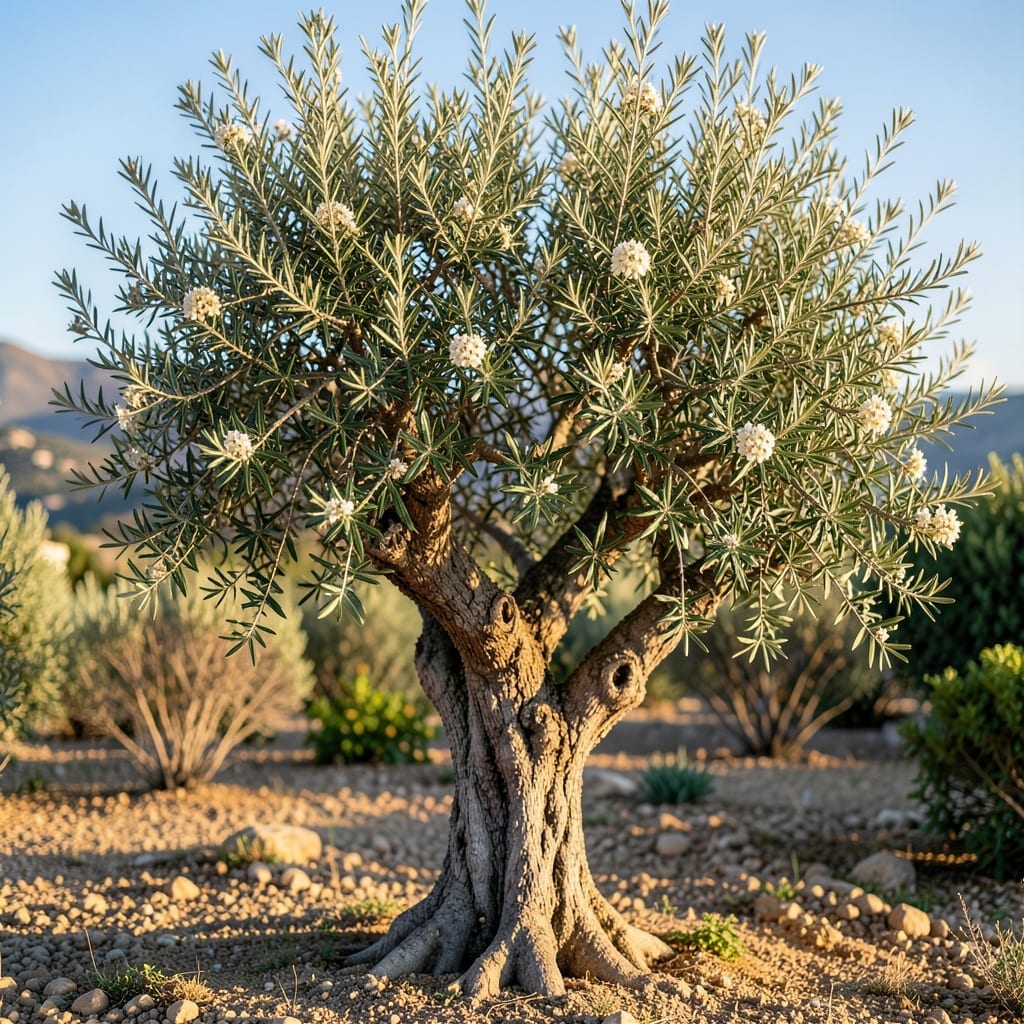
The delicate white blossoms of 🫒 Olive trees signal a magical time in their growth cycle. But their blooming period isn’t the same everywhere, which can leave many growers wondering about the right timing.
From Mediterranean climates to your own backyard in zones 8-11, several factors play a role. The season, temperature, and even the tree’s age can shift when those beautiful flowers appear.
Let me guide you through what to expect and how to spot the early signs. You’ll discover how to prepare your Olive tree for its most productive blooming phase yet.
The blooming period for olive trees is a fascinating dance between nature and geography. In the Mediterranean, where these trees thrive, they typically bloom from late April to early June. This window shifts slightly depending on local weather patterns.
In California, a major olive-growing region, the blooming season often starts a bit earlier, around March to May. The milder winters and longer growing seasons allow for this slight variation. Meanwhile, in Australia, olive trees bloom from September to November, aligning with their spring season.
| Region | Blooming Season | Key Climate Factors |
|---|---|---|
| Mediterranean | Late April – Early June | Warm springs, mild winters |
| California | March – May | Longer growing season |
| Australia | September – November | Southern hemisphere spring |
| Texas | April – June | Hot summers, mild winters |
Temperature plays a crucial role in blooming time. Olive trees generally need a chilling period in winter to trigger spring flowering. Without enough cold hours, the blooming may be delayed or reduced. This is why regions with consistent winters see more reliable flowering.
Rainfall also influences the timing. In areas with spring rains, like parts of Spain or Italy, blooming may start earlier. Conversely, drought conditions can delay the process, as the tree conserves energy. I’ve noticed that trees in well-watered soils tend to bloom more abundantly.
Daylight hours are another key factor. Olive trees are sensitive to photoperiod changes, and the increasing daylight of spring signals them to start the blooming process. This is why you’ll often see the first buds appear as the days grow longer.
For those in USDA zones 8-11, you can expect your olive trees to follow a similar pattern. In zone 8, blooming might start in late April, while in warmer zone 11, it could begin as early as March. Keep an eye on local weather trends to predict your tree’s schedule.
If you’re growing dwarf varieties, they may bloom a bit later than standard trees. This is because their smaller size can affect their response to environmental cues. I’ve found that Arbequina olives, a popular dwarf variety, often bloom in mid to late spring.
To maximize your tree’s blooming potential, ensure it’s planted in well-draining soil and receives full sun. Olive trees are resilient, but they thrive with consistent care. Pruning in late winter can also encourage more vigorous flowering come spring.
Finally, remember that young trees may take 3-5 years to produce their first flowers. Patience is key, but the wait is worth it when you see those delicate white blossoms for the first time 🌿
Several environmental factors and cultivation practices can shift when your olive tree decides to bloom. Understanding these can help you create the ideal conditions for a spectacular display of flowers.
First, tree age plays a significant role. Young olive trees typically take 3 to 5 years to mature enough to produce their first blossoms. Even then, the flowers may be sparse until the tree reaches full maturity.
The olive variety you’ve planted also makes a difference. For example, Arbequina olives often bloom earlier in the season compared to Manzanilla or Kalamata varieties. Each cultivar has its own internal clock influenced by genetics.
Pruning practices can either encourage or delay blooming. I’ve found that light pruning in late winter, just before spring growth starts, stimulates more flower buds. However, heavy pruning can remove potential blooming wood, so it’s a balance.
Soil conditions are another critical factor. Olive trees prefer well-draining soil with moderate fertility. Too much nitrogen can lead to excess foliage at the expense of flowers. A balanced fertilizer applied in early spring can promote blooming.
Interestingly, water stress can actually encourage flowering. Olive trees are drought-tolerant, and moderate water stress in the months leading up to spring can signal the tree to produce more flowers. However, severe drought can have the opposite effect, so monitor soil moisture carefully.
Finally, sunlight exposure is non-negotiable. Olive trees need full sun—at least 6 hours daily—to bloom abundantly. In shadier spots, you may see fewer flowers and a later blooming time 🌳