
Beautiful Plants For Your Interior
Beautiful Plants For Your Interior
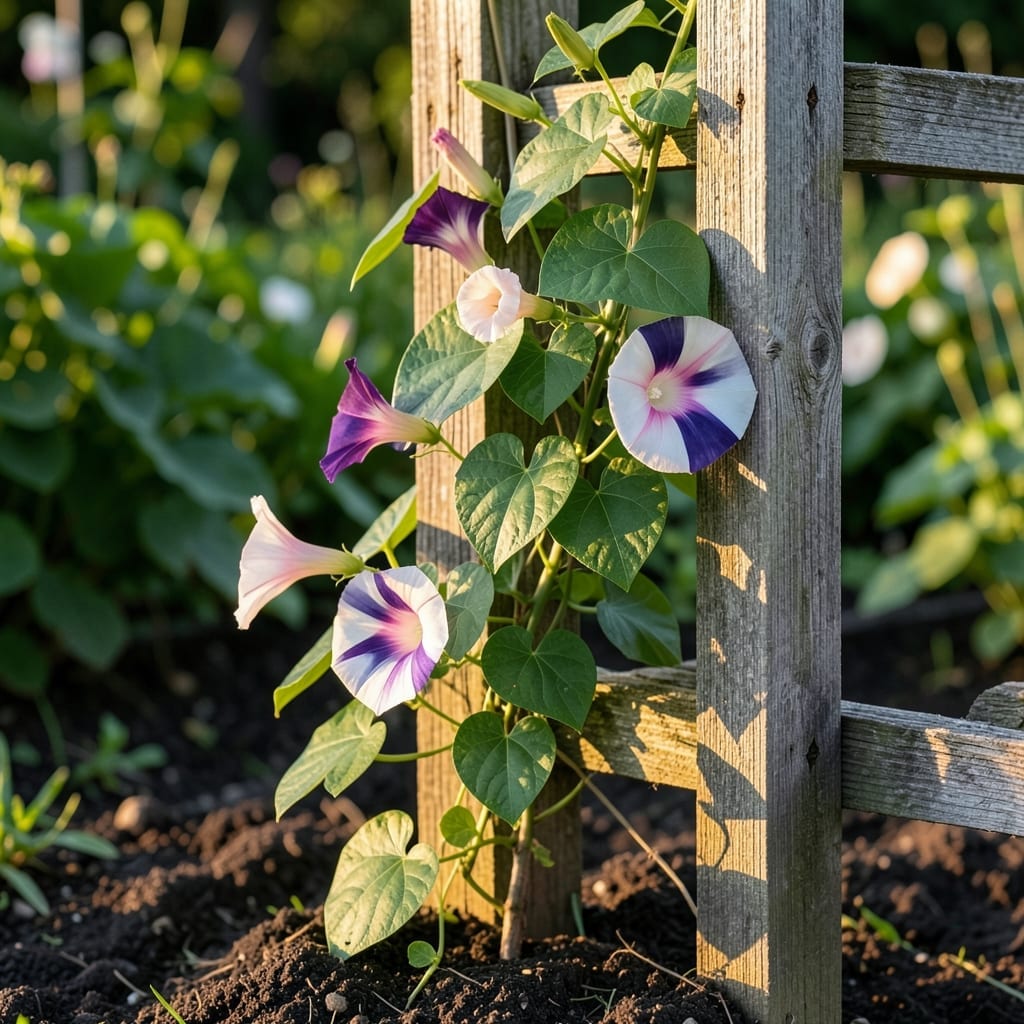
There’s nothing quite like watching Morning Glory 🌸 vines burst into color as summer approaches. These vibrant blooms are a garden favorite, but timing their arrival can feel mysterious.
I’ve learned that their flowering depends on when and how you plant them. In most regions, including USDA zone 6, you’ll see those first beautiful flowers appearing in July.
Let me walk you through the key factors that determine when your Morning Glory will bloom and how to encourage the most spectacular display.
I always tell gardeners that Morning Glories are summer bloomers, but the exact timing varies by region. In USDA zones 7-11, these vines often start flowering in early July. Cooler zones may see blooms later.
In tropical climates, Morning Glories can bloom year-round, while in temperate areas, they typically flower from July to September. Frost-sensitive varieties stop blooming at first frost. ☀️
| Climate Zone | Bloom Start | Peak Season |
|---|---|---|
| Tropical (Zones 10-11) | Year-round | Spring to Fall |
| Warm (Zones 7-9) | Early July | July-September |
| Cool (Zones 3-6) | Mid-July | July-First Frost |
Annual Morning Glories typically bloom 60-90 days after planting. If you start seeds indoors in early spring, you might see flowers by late June. Direct-sown seeds usually bloom later.
In USDA zone 6, where I often garden, the last frost date is around April 15. Planting after this date ensures warm soil, which speeds up germination and leads to earlier blooms.
Perennial varieties, like Ipomoea batatas, may return each year in warmer zones. Their blooming often starts 2-3 weeks earlier than annuals because established roots support faster growth. 🌱
I’ve noticed that Heavenly Blue and Grandpa Ott varieties typically bloom 70-80 days after planting. In my garden, these start flowering in early August when planted in late May.
Soil temperature is crucial. Morning Glories need soil above 60°F to germinate well. In cooler springs, using black plastic mulch can warm the soil and encourage earlier blooming.
For the longest bloom season, plant in full sun and provide a trellis for support. Vines in partial shade may bloom later and produce fewer flowers. I always choose the sunniest spot available. 🌿
Remember that over-fertilizing with nitrogen can delay blooming by promoting leaf growth instead of flowers. I use a balanced 10-10-10 fertilizer every 4-6 weeks during the growing season.
I’ve found that Morning Glories respond beautifully to a little extra care. To get those vibrant blooms earlier, start by preparing your soil with plenty of organic matter. This gives seeds a nutrient-rich foundation.
These vines thrive in full sun, so I always choose a spot that gets at least 6-8 hours of direct sunlight daily. Without enough light, blooming can be delayed or sparse. ☀️
A common mistake I see is over-watering, which can rot the roots and delay blooming. Instead, I water deeply once a week, allowing the top inch of soil to dry between waterings.
For longer blooms, deadhead faded flowers regularly. This prevents seed formation and redirects the plant’s energy toward producing more blooms rather than seeds.
I also recommend mulching around plants to retain moisture and keep roots cool. A 2-inch layer of organic mulch works wonders in hot climates. 🌱
Finally, avoid high-nitrogen fertilizers as they promote leafy growth at the expense of flowers. Stick to a balanced fertilizer and you’ll see a stunning display from July through September.