
Beautiful Plants For Your Interior
Beautiful Plants For Your Interior
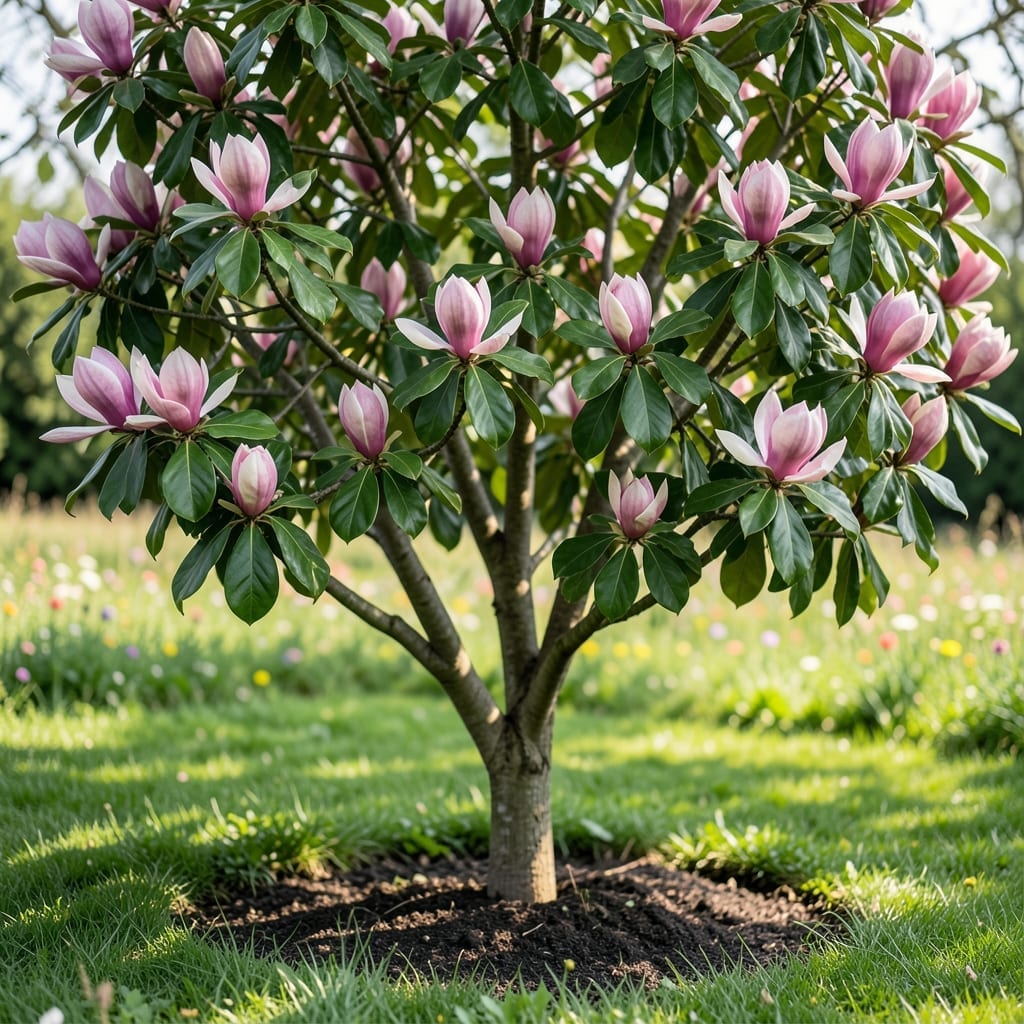
There’s something magical about seeing a 🌳 Magnolia Tree in full bloom, transforming Georgia landscapes with its stunning flowers. But when exactly can you expect this breathtaking display?
Timing varies more than you might think. Different species and local climate conditions across zones 7b-8a create a beautiful but sometimes unpredictable blooming schedule.
Whether you’re a seasoned gardener or just love admiring these iconic Southern trees, understanding their flowering patterns will help you make the most of the season.
Discover the typical bloom times and what influences them so you can enjoy those gorgeous magnolia blossoms at their peak.
Georgia’s diverse climate creates the perfect stage for magnolia trees to showcase their stunning blooms. From the coast to the mountains, bloom times shift with temperature and species variations.
I’ve found that Southern Magnolias typically bloom in late spring to summer, while Saucer Magnolias often burst into color earlier. This variation makes Georgia a prime spot for extended magnolia enjoyment.
| Magnolia Variety | Bloom Period | Georgia Zones |
|---|---|---|
| Southern Magnolia | May to July | 7b-8a |
| Saucer Magnolia | March to April | 7b-8a |
| Sweetbay Magnolia | May to June | 7b-8a |
| Star Magnolia | March to April | 7b-8a |
In North Georgia, cooler temperatures delay blooms by 1-2 weeks compared to the warmer coastal areas. This means your Saucer Magnolia might bloom in early April in Atlanta.
The Southern Magnolia, our state tree, offers summer-long blooms with its creamy white flowers. Its lemon-scented blossoms are a true Georgia summer highlight.
For early color, I recommend Star Magnolias. These compact trees produce fragrant white blooms as early as March in most Georgia regions.
In Middle Georgia, Sweetbay Magnolias thrive in the moist soils near rivers and streams. Their creamy-yellow blooms appear in late spring.
The Saucer Magnolia steals the show with its pink-purple flowers. In Savannah’s milder climate, these can appear as early as February.
I’ve noticed that urban heat islands in cities like Atlanta can trigger earlier blooming by 1-2 weeks. This is particularly true for Southern Magnolias.
For gardeners in Northwest Georgia, expect later blooms due to the higher elevation. Your magnolias might bloom 2-3 weeks later than in southern areas.
To maximize your magnolia display, I suggest planting multiple varieties. This creates a succession of blooms from March through July in most Georgia gardens. ✂️
While magnolia bloom times follow general patterns, several key factors can shift the schedule. I’ve seen firsthand how temperature swings or soil conditions can make a big difference.
Microclimates across Georgia’s zones 7b-8a create surprising variations. Even urban heat islands can trigger earlier blooms in cities like Atlanta.
Late frosts are a particular risk in North Georgia. I’ve lost Saucer Magnolia blooms to unexpected cold snaps in March.
Poor drainage can stress trees and delay flowering. Raise beds or amend soil if your yard stays soggy after rain.
I notice that mature trees bloom more reliably than young ones. If your 5-year-old magnolia isn’t flowering yet, give it more time.
Heavy pruning in fall or winter removes potential bloom sites. I limit pruning to immediately after flowering to protect next year’s display. 🌳