
Beautiful Plants For Your Interior
Beautiful Plants For Your Interior
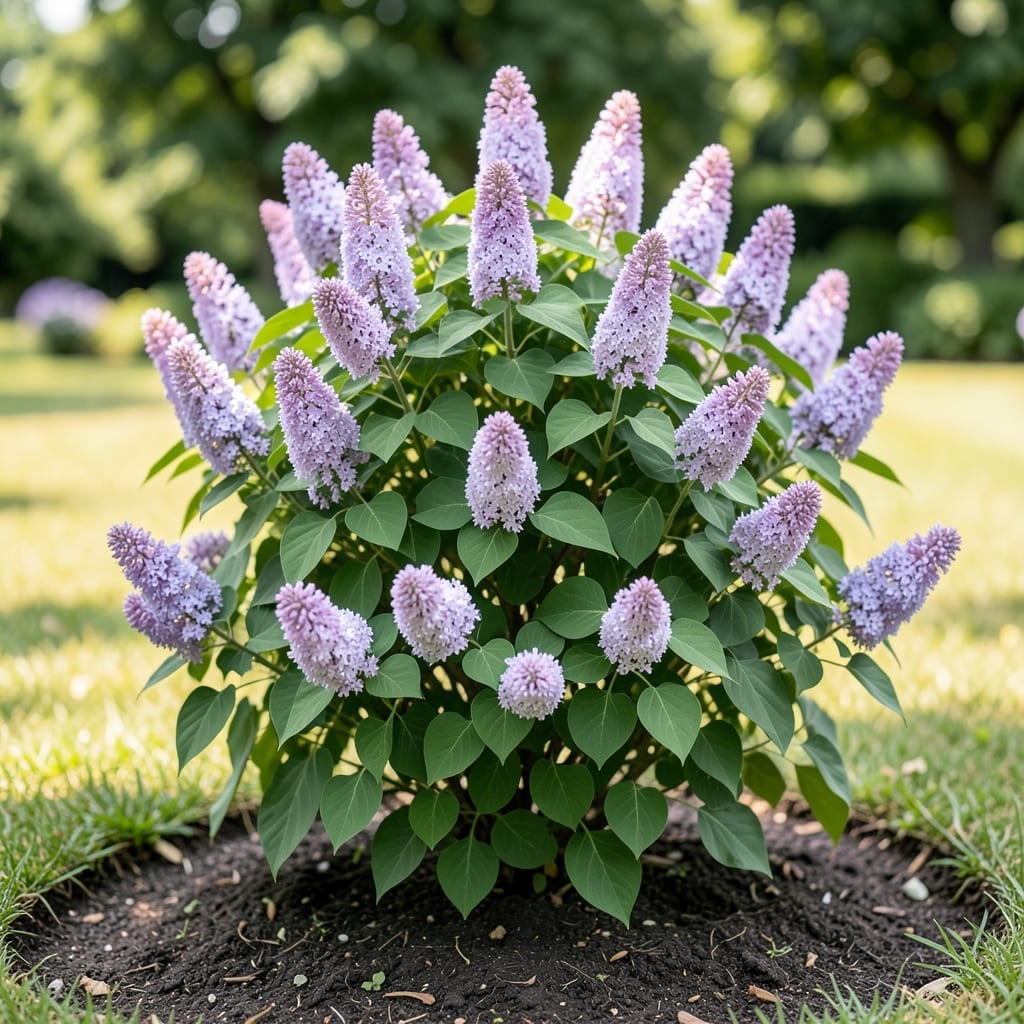
Nothing signals spring in New York like the fragrant explosion of 🌸 Lilac blooms—but timing varies wildly across the state.
From the urban streets of Manhattan to the rolling hills of Upstate, these beautiful shrubs don’t follow a single schedule. Your location within zones 5b-7a plays a huge role in when you’ll see those first purple buds.
I’ve watched Lilacs transform gardens from bare branches to vibrant displays, and the timing can surprise even seasoned gardeners. The difference between early and late bloomers might be just a few weeks—or a whole month.
Discover exactly when your region will burst into color and how to make the most of this spectacular spring show.
If you’re wondering when do lilacs bloom in New York, the answer depends heavily on your USDA hardiness zone. New York spans zones 3 through 7, with most gardeners in 5b-7a. This spread means bloom times can vary by weeks.
In my experience, zone 3-4 areas like the Adirondacks see lilacs bloom late May to early June. The colder winters delay bud development, but the wait is worth it when those first fragrant clusters appear.
| Zone | Bloom Window | Peak Fragrance |
|---|---|---|
| 3-4 | Late May – Early June | Early June |
| 5a-5b | Mid to Late May | Late May |
| 6a-6b | Early to Mid May | Mid May |
| 7a | Late April – Early May | Early May |
The zone 5b-6a corridor, including areas like Albany and Syracuse, typically sees lilacs bloom from early to mid-May. I’ve noticed these regions often have the most reliable bloom schedules year after year.
For gardeners in zone 7a, like those on Long Island, lilacs often start blooming in late April. The milder winters and earlier spring warm-up give these plants a head start. This is where you might see the first lilac blooms in the state.
Microclimates play a huge role too. Urban areas like New York City often experience the urban heat island effect, which can push bloom times 1-2 weeks earlier than surrounding rural areas. I’ve seen this firsthand in community gardens.
Coastal regions, including parts of Long Island, benefit from moderating ocean temperatures. This can create a more stable environment for lilacs, often resulting in consistent bloom times from year to year.
Remember that last frost dates significantly impact lilac blooms. In zone 5b, the last frost is typically around April 15, while zone 7a might see its last frost as early as April 1. Lilacs need a period of winter chill to set buds properly.
For the most accurate prediction, I recommend tracking your local growing degree days. Lilacs generally need about 100-150 growing degree days after their chilling requirement is met to produce blooms.
If you’re eager to extend your lilac season, consider planting multiple varieties with different bloom times. This way, you can enjoy these fragrant beauties from April through June.
🌸While hardiness zones give a general framework, several variables can nudge your lilac blooms earlier or later. I’ve seen gardeners in the same neighborhood experience two-week differences based on these factors.
Some elements, like weather anomalies, are out of our hands. But others, such as pruning timing and variety selection, are fully within your control as a gardener.
In my experience, microclimates make a huge difference. A south-facing wall can create a warmer pocket that speeds up blooming by days or even weeks.
If you’re in Long Island’s zone 7, you’ll likely see blooms in early April, while upstate gardeners in zone 4 may wait until late May. That’s over a month of variation!
For the earliest blooms, I recommend planting near heat-retaining structures and choosing early-blooming varieties. This small adjustment can give you color weeks ahead of neighbors.
Remember, even consistent watering and balanced fertilization after blooming can impact next year’s timing. It’s all about giving your lilacs the best possible conditions to thrive on their natural schedule 🌸