
Beautiful Plants For Your Interior
Beautiful Plants For Your Interior
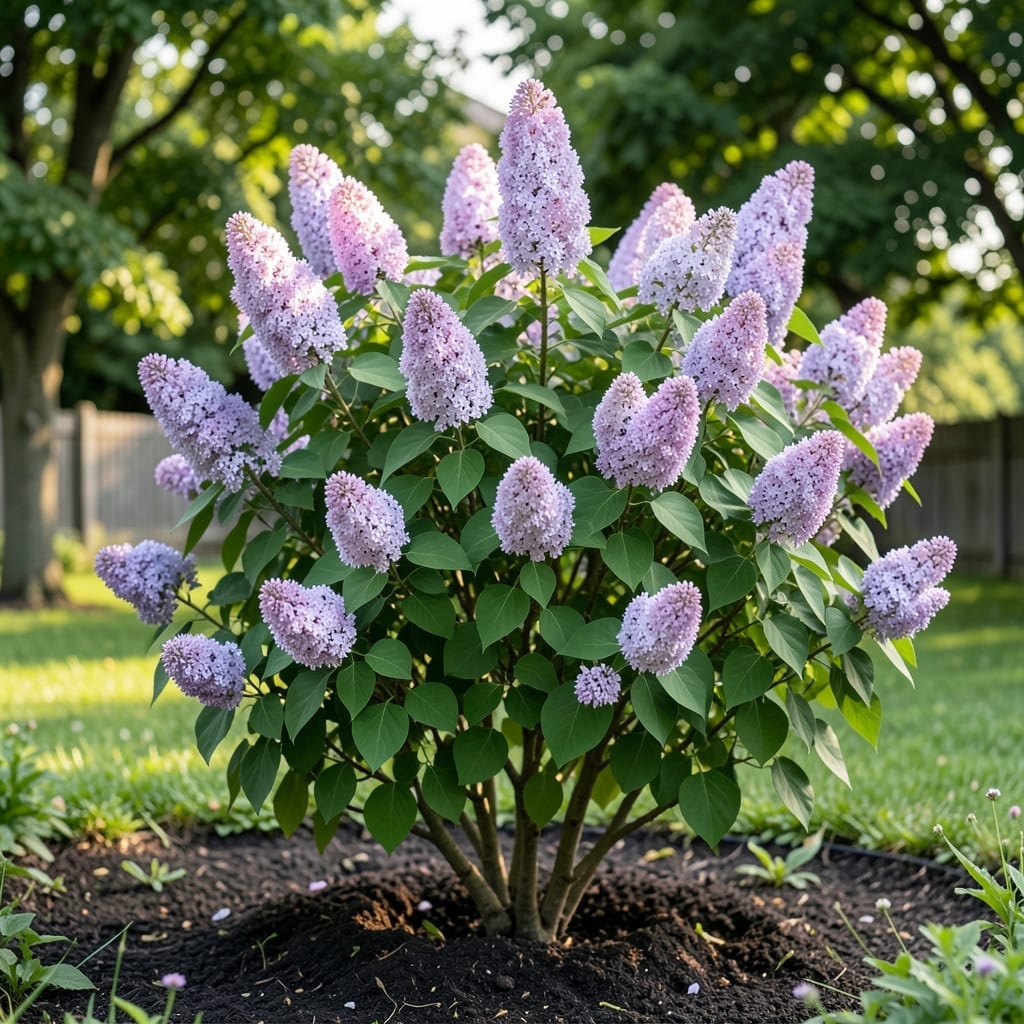
There’s nothing quite like the sight of 🌸 Lilac blooms lighting up Minnesota landscapes each year. As a gardener in zone 4a, I know the anticipation is real – when exactly will those fragrant clusters appear?
The timing isn’t set in stone. It depends on winter’s chill, spring’s warmth, and even which variety you’ve planted. Some years they surprise us early, other times they make us wait.
I’ve learned that understanding these factors helps me appreciate the blooms even more. And there are things we can do to encourage a more spectacular show each season.
Discover how to predict your Lilac’s bloom time and the simple care steps that make all the difference. Your most beautiful spring display starts with knowing what to expect.
In Minnesota, lilacs typically bloom between late April and early June, but the exact timing varies by variety and location. The state spans USDA Zones 3-5, with southern regions warming faster than the north.
Early bloomers like Syringa vulgaris often open in late April in Zone 5, while colder Zone 3 areas may see flowers in mid-May. Late varieties, such as Miss Kim, can extend the season into early June.
| Variety | Bloom Time (Zone 5) | Bloom Time (Zone 3) |
|---|---|---|
| Syringa vulgaris | Late April | Mid-May |
| Preston Lilac | Early May | Late May |
| Miss Kim | Mid-May | Early June |
| Dwarf Korean | Early May | Late May |
Northern Minnesota’s cooler climate often delays blooming by 1-2 weeks compared to southern areas. For example, Minneapolis gardeners might enjoy Syringa vulgaris in late April, while Duluth sees the same variety in early May.
The 2023 growing season saw early blooms due to a warm March, proving how weather patterns influence timing. A late frost can damage buds, so protecting plants in early spring is crucial.
For consistent blooms, choose cold-hardy varieties like Syringa meyeri. These thrive in Zone 3 and bloom reliably, even after harsh winters. Planting in full sun and well-drained soil also encourages earlier flowering.
Gardeners in urban areas may notice lilacs blooming a few days earlier due to the heat island effect. This occurs when paved surfaces and buildings retain warmth, creating microclimates.
To extend your lilac season, plant a mix of early, mid, and late varieties. This ensures continuous color and fragrance from April through June. I recommend pairing Syringa vulgaris with Miss Kim for a longer display.
Monitoring weather forecasts helps predict bloom times. A warm, sunny spring speeds up bud development, while a cool, wet season can delay it. Keep a garden journal to track yearly variations.
Finally, remember that young lilac bushes may take 2-3 years to produce their first blooms. Patience and proper care, like annual pruning and balanced fertilization, will reward you with abundant flowers in future seasons.
✂️In Minnesota, lilac bloom timing hinges on winter chill and spring warmth. A cold winter with 1,000+ chill hours sets the stage for robust blooms. Early spring thaws can speed up the process.
But late frosts or unseasonal warmth may delay or disrupt flowering. I’ve seen years where blooms arrived 2 weeks early or late due to weather swings.
I always mulch heavily in late fall to protect roots from temperature swings. This helps ensure steady bud formation even in unpredictable Minnesota weather.
A balanced fertilizer in early spring gives my lilacs the nutrient boost they need. But I avoid high-nitrogen blends, which can reduce flowering.
Full sun exposure is non-negotiable for maximum blooms. My south-facing lilacs always outperform those in partial shade. They get 6+ hours of direct light daily.
Finally, proper pruning keeps them vigorous. I remove old wood right after blooming to encourage new growth and more flower buds for next year.
With these steps, I enjoy lush, fragrant lilac blooms every spring, rain or shine ☀️