
Beautiful Plants For Your Interior
Beautiful Plants For Your Interior
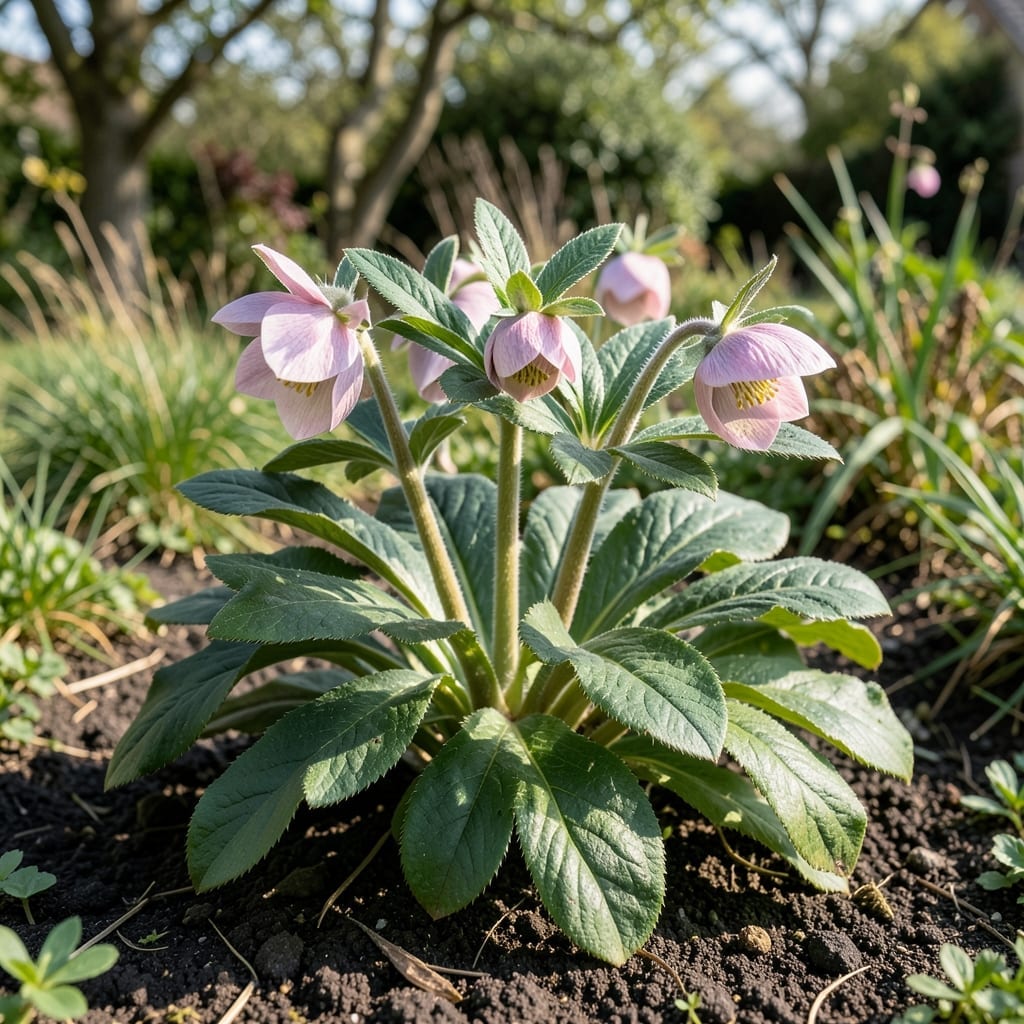
There’s nothing quite like seeing the first blooms of Lenten Rose 🌸 peeking through the winter chill. These resilient beauties bring life to gardens when most plants are still asleep.
I remember the first time I spotted their delicate, nodding flowers in late winter. It felt like nature’s way of saying, “Hang in there, spring is coming.” That moment changed how I view the colder months.
What many don’t realize is that these flowers have a perfectly timed blooming season. Understanding their rhythm can help you appreciate them even more. And trust me, it’s worth the wait.
Let me share what I’ve learned about their blooming pattern and how you can make the most of it. You’ll be surprised by how much joy these early bloomers can bring.
I love how Lenten roses brighten up my garden when most other plants are still dormant. These hardy perennials typically bloom from late winter to early spring, often starting as early as January in warmer zones. 🌸
In my experience, the exact timing depends on your USDA hardiness zone and local climate. In zone 6-7, expect blooms in February-March, while colder zone 4-5 gardens see them in March-April. The flowers often last 6-8 weeks or more. 🌿
| Region | Bloom Start | Peak Season | Duration |
|---|---|---|---|
| Pacific Northwest | December | January-February | 8-10 weeks |
| Mid-Atlantic | February | March-April | 6-8 weeks |
| Southeast | January | February-March | 10-12 weeks |
| New England | March | April-May | 4-6 weeks |
The Helleborus orientalis species, commonly called Lenten rose, is the most popular for its early blooms. I’ve noticed that snow cover can actually protect the buds, leading to better blooming in colder areas. Mild winters may cause earlier flowering. ✂️
For the longest bloom period, I recommend planting in partial shade with well-draining soil. Too much sun can shorten the display, while full shade may delay blooming. Morning sun and afternoon shade seem to be the sweet spot in my garden. ☀️
Some hybrid varieties like ‘Royal Heritage’ or ‘Winter Jewels’ are bred for extended blooming. These can start flowering in late December in mild climates and continue through April. I’ve had great success with these in my zone 7 garden. 🌱
Remember that first-year plants may bloom sparsely. It often takes 2-3 years for Lenten roses to reach their full flowering potential. Be patient – the wait is worth it for those gorgeous nodding flowers that defy winter’s chill. 🌿
I’ve found that mulching with organic matter in late fall helps protect the crowns and encourages better blooming. Just be sure to keep the mulch 2-3 inches away from the stems to prevent rot. This simple step can make a noticeable difference. 🪴
If your Lenten roses aren’t blooming, check their age, light conditions, and soil fertility. Sometimes a light balanced fertilizer in early fall can give them the boost they need for next year’s display. I apply a 5-10-10 formula in September. 💧
I love how Lenten roses brighten gardens when little else grows. Their late winter blooms last 6-8 weeks with proper care and ideal conditions. Partial shade and rich soil work wonders.
To maximize your helleborus blooms, start with well-draining soil. These plants hate soggy roots but appreciate consistent moisture during their flowering period. A 2-inch mulch layer helps retain moisture.
I’ve found that removing spent flowers isn’t necessary but can improve appearance. Focus instead on cutting back old leaves in late winter to make room for new growth and blooms.
Mulching with organic material keeps roots cool and moist. Use compost or leaf mold for best results. This also provides slow-release nutrients that support flowering.
Watering deeply once a week is better than frequent shallow watering. Avoid overhead watering to prevent fungal diseases. Always water at the base of the plant for best absorption.
In my garden, east-facing locations work best, offering morning sun and afternoon shade. This mimics their natural woodland habitat and encourages longer bloom periods. 🌿