
Beautiful Plants For Your Interior
Beautiful Plants For Your Interior
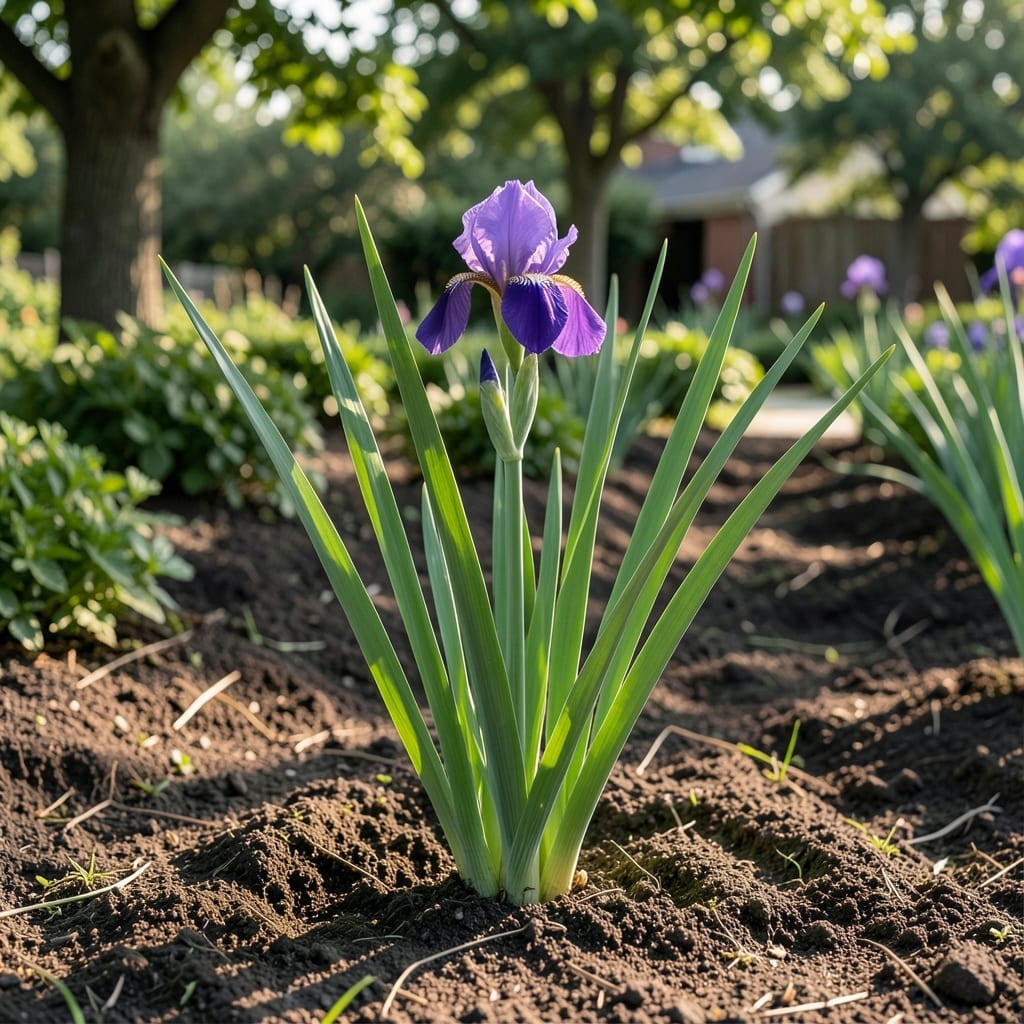
Watching 🌸 Iris bloom is one of the most anticipated moments in any garden, but their flowering time varies wildly depending on the type. Knowing when to expect these stunning flowers ensures you never miss their fleeting beauty.
From dwarf varieties to towering Japanese irises, each type has its own unique timeline. Some may surprise you with early spring blooms, while others wait until summer’s heat.
Let me walk you through the seasonal patterns of different iris varieties. You’ll discover how to time your garden for maximum color impact.
If you’ve ever wondered when do irises bloom, the answer depends entirely on the variety. These stunning flowers don’t follow a one-size-fits-all schedule, which is why I love planting different types to enjoy continuous color from early spring to summer.
Each iris category has its own distinct blooming window. From the earliest dwarf irises to the late-blooming Japanese varieties, there’s an iris for every season. Let me break down the timelines so you can plan your garden accordingly.
| Iris Variety | Bloom Time | Height Range |
|---|---|---|
| Dwarf Bearded | Early Spring (March-April) | 12-18 inches |
| Standard Bearded | Mid Spring (April-May) | 24-48 inches |
| Siberian | Late Spring (May-June) | 24-40 inches |
| Japanese | Early Summer (June-July) | 36-48 inches |
| Reblooming | Spring & Fall | 24-36 inches |
The dwarf bearded irises are the earliest to show off their colors, often pushing through the last frost with their vibrant purple, yellow and white blossoms. They’re perfect for rock gardens or the front of borders.
Standard bearded irises follow shortly after, typically peaking in April and May. These are the classic irises most gardeners picture, with their bearded falls and rich color variations. I always plant these in full sun for the best results.
Siberian irises take the stage in late spring, just as the bearded varieties begin to fade. Their grass-like foliage and delicate flowers add a graceful touch to any garden. They’re particularly cold-hardy, thriving in USDA zones 3-9.
The Japanese irises are the latecomers, blooming in early summer. These tall, elegant plants love moist soil and can even tolerate partial shade. Their large, flat flowers are absolutely stunning in pond-side plantings.
For those who can’t get enough, re-blooming irises offer a second show in late summer or early fall. These varieties require consistent moisture and good drainage to perform their double act each year.
Remember, these timelines can shift by 2-3 weeks depending on your local climate. In warmer zones, blooms may appear earlier, while cooler areas might see a delayed display. I always keep a garden journal to track these variations.
🌸While iris varieties each have their typical bloom times, your local conditions can shift these schedules significantly. I’ve seen bearded irises bloom 3 weeks early in mild winters or delay in cooler springs. Understanding these factors helps you predict and maximize your iris display.
The most critical factor is your USDA hardiness zone. Gardeners in zone 7 often see blooms 2-3 weeks earlier than those in zone 4. Even within zones, microclimates can create surprising variations in your backyard.
Sunlight plays a huge role in bloom timing. In my garden, south-facing beds produce earlier blooms than east-facing ones. If your irises aren’t blooming when expected, check if they’re getting enough direct light daily.
Soil conditions also impact the schedule. Well-draining soil warms faster in spring, while heavy clay can delay growth. I always amend with compost to improve both drainage and nutrient availability for my irises.
Don’t overlook fertilization timing. Feeding in early fall gives rhizomes time to store energy for spring blooms. Avoid high-nitrogen fertilizers, which promote leaf growth over flowers. I use a 6-10-10 formula for best results.
Finally, division timing affects future blooms. Dividing too late in season can reduce next year’s flowers. I aim to divide my bearded irises in July or August, giving them time to establish before winter.
🌸