
Beautiful Plants For Your Interior
Beautiful Plants For Your Interior
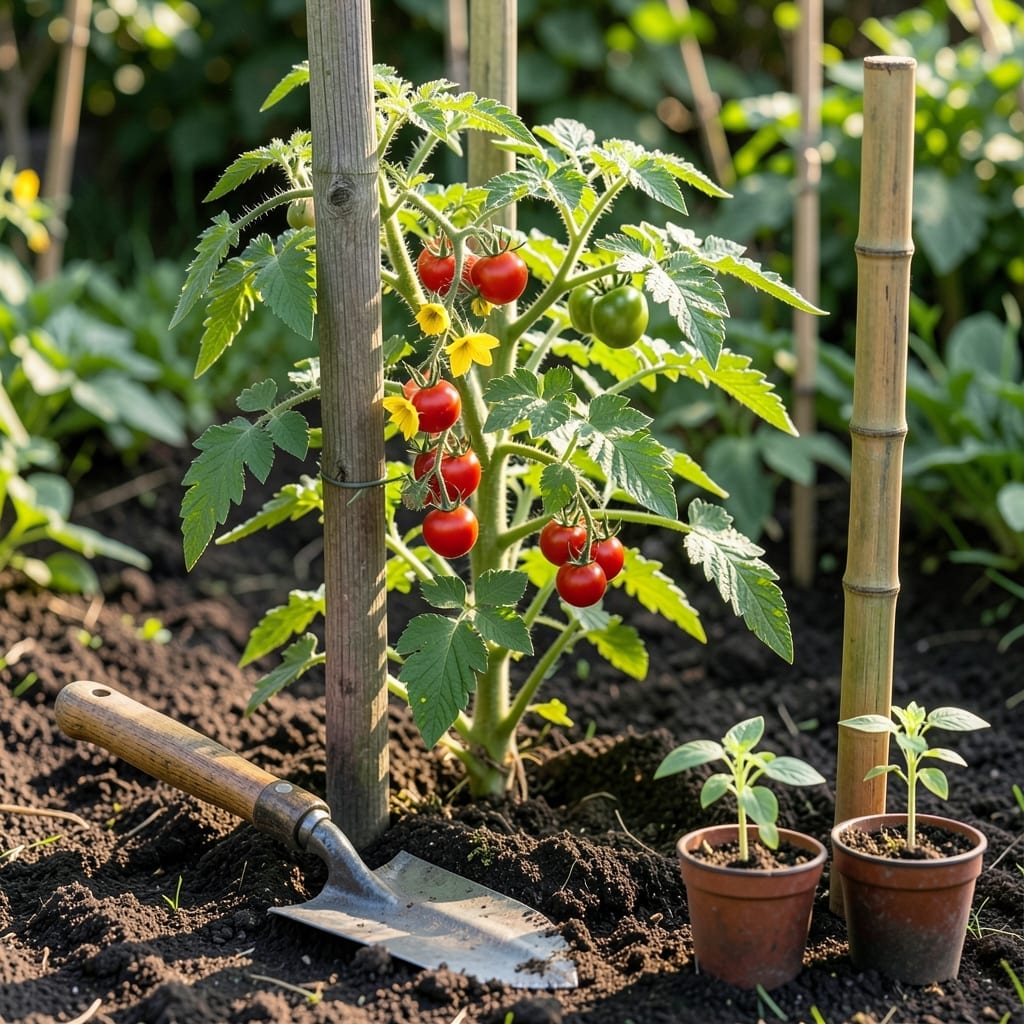
Timing is everything when planting Tomato in North Carolina. Plant too early, and frost will kill your seedlings. Plant too late, and you’ll miss the prime growing season.
I’ve seen many gardeners struggle with getting their timing right in NC’s diverse climate. The good news? With the right knowledge, you can hit that sweet spot every time.
This guide breaks down the exact windows for spring and fall crops based on NC’s hardiness zones 7a-8b. Whether you’re in the mountains or along the coast, you’ll know precisely when to start.
Discover how to align your planting schedule with the last frost dates and soil temperature thresholds. Let’s get your 🍅 garden off to the best possible start.
North Carolina spans USDA zones 7a to 8b, meaning planting dates vary by region. Coastal areas like Wilmington (8b) can start earlier than mountain spots like Asheville (7a) due to milder winters and longer growing seasons.
For spring planting, wait until soil temps hit 60°F and after the last frost date. In zone 7a, this is typically April 15–30, while zone 8b gardeners can start March 15–April 1. Fall planting requires counting backward from the first frost date. ☀️
| Zone | Spring Planting | Fall Planting | Last Frost Date | First Frost Date |
|---|---|---|---|---|
| 7a | April 15–30 | July 15–31 | April 15 | October 15 |
| 7b | April 1–15 | July 20–August 5 | April 10 | October 20 |
| 8a | March 20–April 1 | July 25–August 10 | April 5 | October 25 |
| 8b | March 15–30 | August 1–15 | March 25 | October 30 |
In the Piedmont region (zones 7b–8a), I recommend starting transplants indoors 6–8 weeks before the last frost. This gives them a head start for our shorter spring compared to the coast. Always harden off seedlings for 7–10 days before transplanting.
For fall tomatoes, timing is critical. Count 70–90 days backward from your zone’s first frost date. In zone 8b, you can plant as late as August 15 for a fall harvest. In zone 7a, aim for July 15 to avoid early frost damage. 🌱
The coastal plains benefit from warmer soil and milder winters. Gardeners in New Bern (8a) can often plant 2 weeks earlier than inland areas. However, watch for late-season hurricanes that can bring unexpected cold snaps.
Mountain regions like Boone (7a) have a shorter growing season. I suggest using black plastic mulch to warm the soil and row covers to protect from late frosts. Early varieties like ‘Early Girl’ are ideal here.
Soil temperature is just as important as air temperature. Use a soil thermometer to check that it’s consistently above 60°F at a 4-inch depth. Cold soil stunts growth and increases disease risk. 🌡️
If you’re in zone 8b, you might get away with planting in late February during a warm year—but have frost cloth ready. I’ve lost seedlings to surprise frosts in March, so I always wait until mid-March to be safe.
For the best results, rotate your tomato beds annually to prevent soil-borne diseases. In NC’s humid climate, fungal issues like early blight are common. Choosing disease-resistant varieties can save you a lot of trouble.
Preparing your North Carolina garden for tomato season starts with understanding your soil. I always recommend testing your soil pH first—6.0 to 6.8 is ideal for tomatoes. This simple step can prevent many common issues before they start.
Next, enrich your soil with organic compost to boost fertility. NC’s humid climate means disease-resistant varieties like ‘Mountain Merit’ or ‘Early Girl’ are smart choices. They handle our weather better and give you a fighting chance against fungal problems.
Hardening off your tomato seedlings is critical. I move mine outside for a few hours daily, gradually increasing exposure over 7 to 10 days. This toughens them up for transplanting and reduces shock.
One mistake I see often is planting in soil that’s too cold. Tomatoes need soil temperatures above 60°F to thrive. Use a soil thermometer to check—it’s a small investment that pays off big.
For the best results, plant your tomatoes in a location with full sun (6–8 hours daily). In NC, morning sun is especially valuable as it dries dew quickly, reducing disease risk.
Finally, space your plants 18–24 inches apart to ensure good airflow. This simple step helps prevent fungal diseases that love our humid summers. With these preparations, your tomatoes will be off to a strong start.
Happy planting, and may your garden be bountiful this season 🌱