
Beautiful Plants For Your Interior
Beautiful Plants For Your Interior
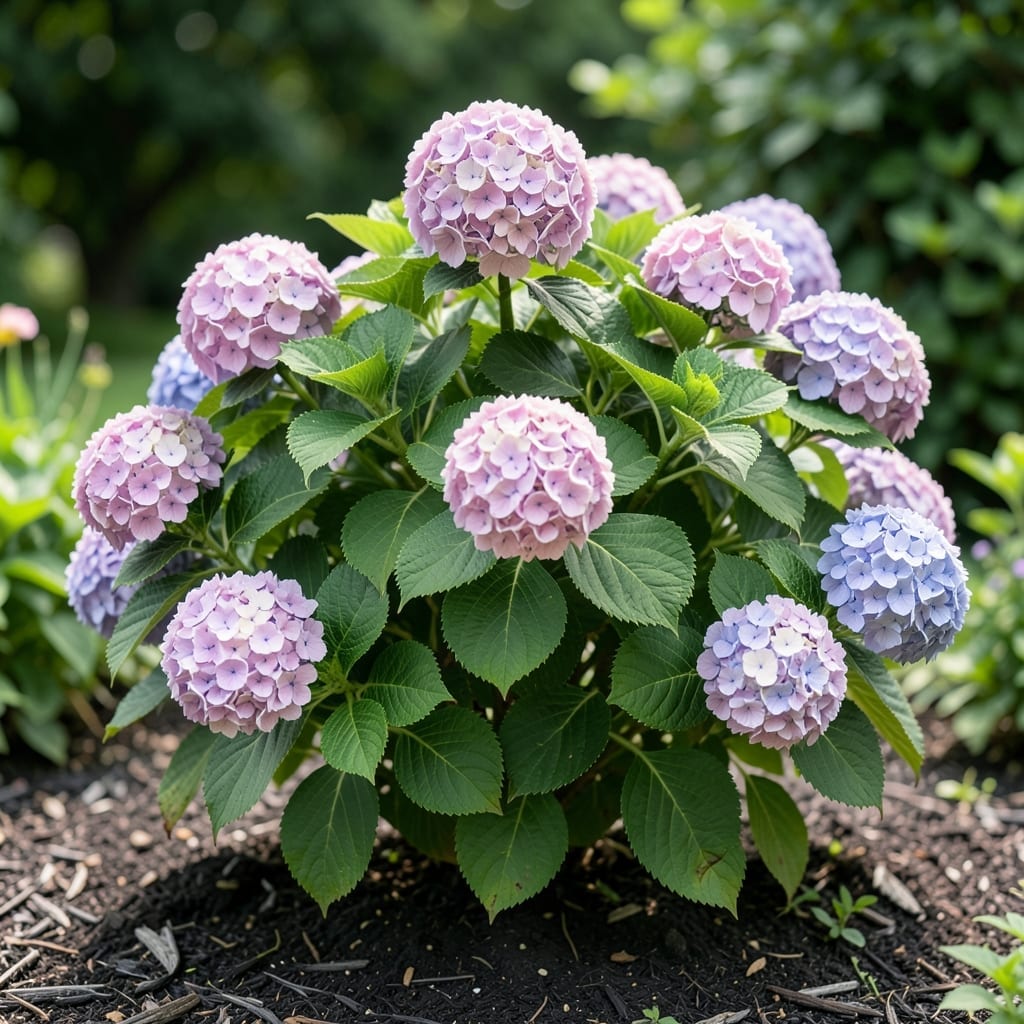
There’s nothing quite like watching 🌸 Hydrangeas burst into color across NJ gardens. Yet, their bloom times can puzzle even seasoned gardeners, since each variety dances to its own seasonal rhythm.
In our 6b-7a climate, timing depends on the type you’ve planted. Some kick off in early summer, while others wait until late season to shine.
Discover how to predict your Hydrangea’s big moment and what you can do to encourage those stunning blooms year after year.
If you’re growing hydrangeas in NJ, knowing your variety is the first step to predicting bloom times. Our zone 6-7 climate creates distinct windows for each type to shine.
From the classic bigleaf hydrangeas to the hardy oakleaf varieties, each has its own seasonal rhythm that NJ gardeners should understand. 🌸
| Variety | NJ Bloom Time | Key Notes |
|---|---|---|
| Bigleaf (macrophylla) | June-July | Blooms on old wood, sensitive to late frosts |
| Panicle (paniculata) | July-August | Blooms on new wood, most reliable in NJ |
| Oakleaf (quercifolia) | June-July | Early bloomer, drought-tolerant once established |
Bigleaf hydrangeas are the showstoppers many NJ gardeners love, but they’re also the most finicky. They typically bloom June through July, but late spring frosts can damage their flower buds.
If you want more reliable blooms, I recommend panicle hydrangeas. These tough plants flower on new wood, meaning they’ll bloom every year regardless of winter damage. Expect their cone-shaped flowers from July to August.
Oakleaf hydrangeas offer the best of both worlds with their early bloom time and excellent fall color. In NJ, they usually start flowering in early June and continue for several weeks.
The soil pH in your NJ garden also plays a role in bloom color for bigleaf and some panicle varieties. Acidic soils (pH 5.5) produce blue flowers, while alkaline soils (pH 7.0+) yield pink blooms.
For the longest bloom season, consider planting a mix of varieties. This way, you’ll have hydrangea flowers from early June through late August in your New Jersey garden.
Remember that microclimates in your yard can affect bloom times. A south-facing spot might see flowers 1-2 weeks earlier than a shady north side.
Finally, proper pruning timing is crucial. Bigleaf hydrangeas should be pruned right after flowering, while panicle types can be pruned in late winter or early spring. 🌿
New Jersey’s unpredictable springs and humid summers directly impact when your hydrangeas will bloom. Late frosts can wipe out bigleaf buds, while heatwaves may accelerate or delay flowering.
Even the same variety can bloom at different times depending on your garden’s microclimate and care routine. Here’s what shifts those bloom windows:
I’ve seen bigleaf hydrangeas in protected spots bloom 2 weeks earlier than those in exposed areas. A south-facing wall can create a warmer microclimate that encourages earlier flowering.
Pruning mistakes are a common culprit for missing blooms. Cutting back bigleaf or oakleaf hydrangeas in spring removes the flower buds that formed the previous year. Always prune these right after they finish blooming.
For panicle hydrangeas, you’ve got more flexibility. These can be pruned in late winter or early spring since they bloom on new wood. This makes them the most reliable choice for NJ gardeners.
Don’t underestimate the power of consistent watering. Hydrangeas need about 1 inch of water per week, especially during bud formation. Drought stress can cause buds to drop before they even open. 🌿