
Beautiful Plants For Your Interior
Beautiful Plants For Your Interior
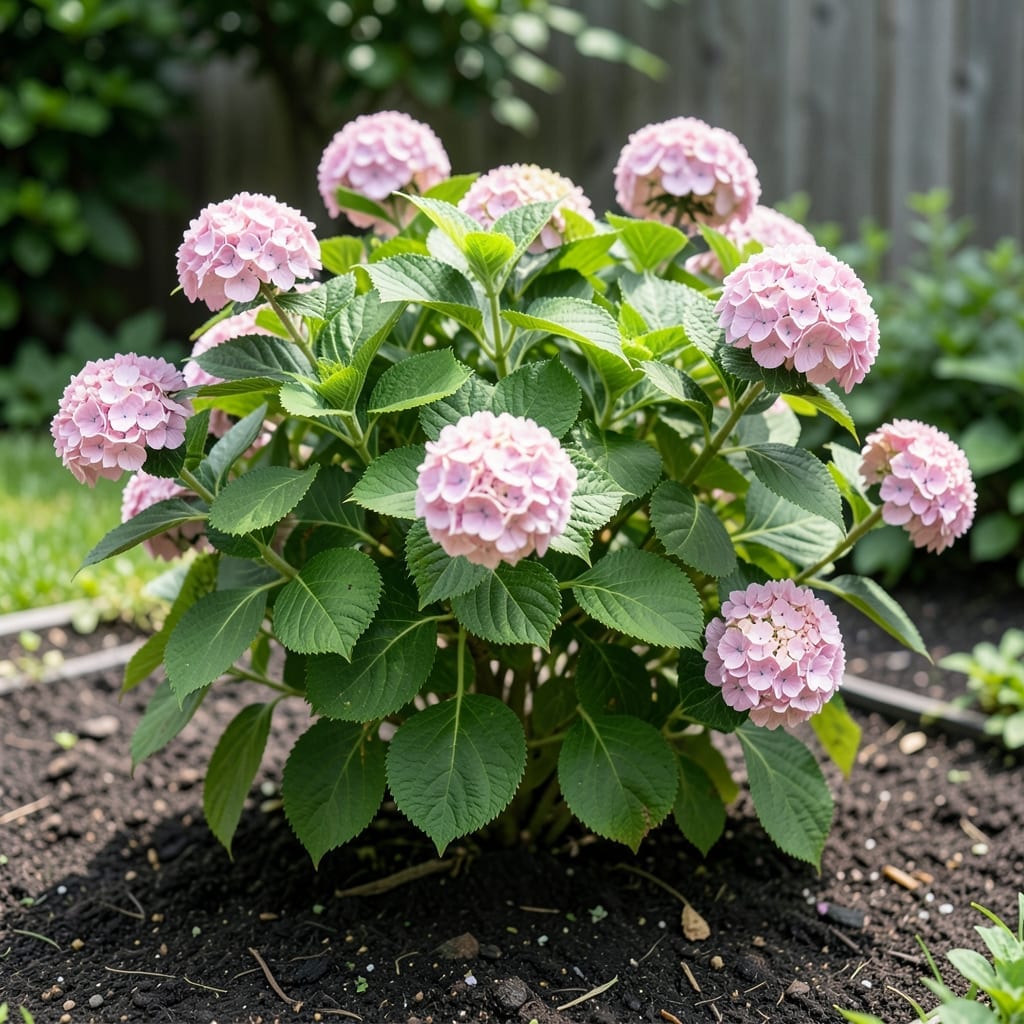
Georgia’s warm climate and distinct seasons create the perfect backdrop for vibrant hydrangea blooms, but timing varies by species and local conditions. Understanding when these beloved shrubs flower helps gardeners plan, prune, and enjoy their displays.
I’ve seen 🌸 Hydrangea bushes transform Georgia landscapes from May through August, with peaks that depend on your specific zone. Whether you’re in 7b or 8a, knowing your local patterns is the key to success.
What I love most is how these shrubs respond to care—proper pruning and soil conditions can extend their flowering period significantly. A little knowledge goes a long way in maximizing their beauty.
Let me walk you through the typical bloom windows and how to get the most from your hydrangeas. The timing might surprise you.
In Georgia’s Zone 8, hydrangeas thrive thanks to the warm climate and long growing season. However, bloom times differ by species, making it essential to know which variety you’re growing.
For example, bigleaf hydrangeas often bloom in late spring to early summer, while oakleaf hydrangeas may flower slightly later. Each type has its own rhythm in Georgia’s unique environment.
| Hydrangea Species | Bloom Time in Georgia | Key Notes |
|---|---|---|
| Bigleaf | May to July | Blooms on old wood; needs afternoon shade |
| Oakleaf | June to August | Native to Georgia; tolerates heat well |
| Panicle | July to September | Blooms on new wood; thrives in full sun |
| Smooth | June to August | Cold-hardy; prefers partial shade |
The bigleaf hydrangea is a favorite for its large, colorful blooms, but it’s sensitive to Georgia’s summer heat. I recommend planting it where it gets morning sun and afternoon shade to protect its delicate flowers.
Oakleaf hydrangeas are a great choice for Georgia gardeners because they’re native to the Southeast. They handle the heat and humidity better than other varieties and often bloom later in the season.
If you want long-lasting blooms, the panicle hydrangea is your best bet. It starts flowering in midsummer and continues into early fall, making it a standout in Georgia’s Zone 8 climate.
The smooth hydrangea is another excellent option. It blooms on new wood, so even if a late frost hits, you’ll still get flowers. This makes it a low-maintenance choice for Georgia gardeners.
To maximize bloom time, I always mulch heavily around my hydrangeas. This helps retain moisture and keeps the roots cool during Georgia’s hot summers. A 2-3 inch layer of organic mulch works wonders.
Another tip: prune at the right time. For bigleaf and oakleaf hydrangeas, prune right after blooming to avoid cutting off next year’s flowers. Panicle and smooth hydrangeas can be pruned in late winter or early spring.
Finally, soil pH plays a role in bloom color for some hydrangeas. In Georgia, our slightly acidic soil often produces blue flowers on bigleaf hydrangeas. For pink blooms, you may need to adjust the pH with lime.
With the right care, your hydrangeas will reward you with stunning blooms all season long 🌸
In Georgia’s Zone 8, hydrangeas thrive thanks to the mild winters and long growing season. The last frost typically hits around April 15, signaling the start of active growth. This warm climate allows blooms to appear earlier than in cooler regions. ☀️
However, summer heat and humidity levels can impact timing. Bigleaf hydrangeas, for example, may bloom later in summer if stressed by drought. Oakleaf varieties, native to the Southeast, are more adaptable to Georgia’s conditions. 🌿
Rainfall patterns also play a role. Consistent moisture in spring encourages robust bud development. If Georgia experiences a dry spring, supplemental watering can help maintain the blooming schedule. I always check soil moisture weekly. 💧
For gardeners in northern Georgia, slightly cooler temperatures may push blooms into early summer. In contrast, southern areas often see flowers a few weeks earlier due to warmer springs. Adjust care based on your specific microclimate.
To maximize blooms, I recommend mulching heavily to retain moisture and protecting plants from afternoon heat. This helps stabilize conditions, ensuring your hydrangeas flower on schedule. ✂️
Finally, soil pH and nutrient levels can shift bloom times. A balanced fertilizer in early spring supports timely flowering. Test your soil annually for best results. 🌷