
Beautiful Plants For Your Interior
Beautiful Plants For Your Interior
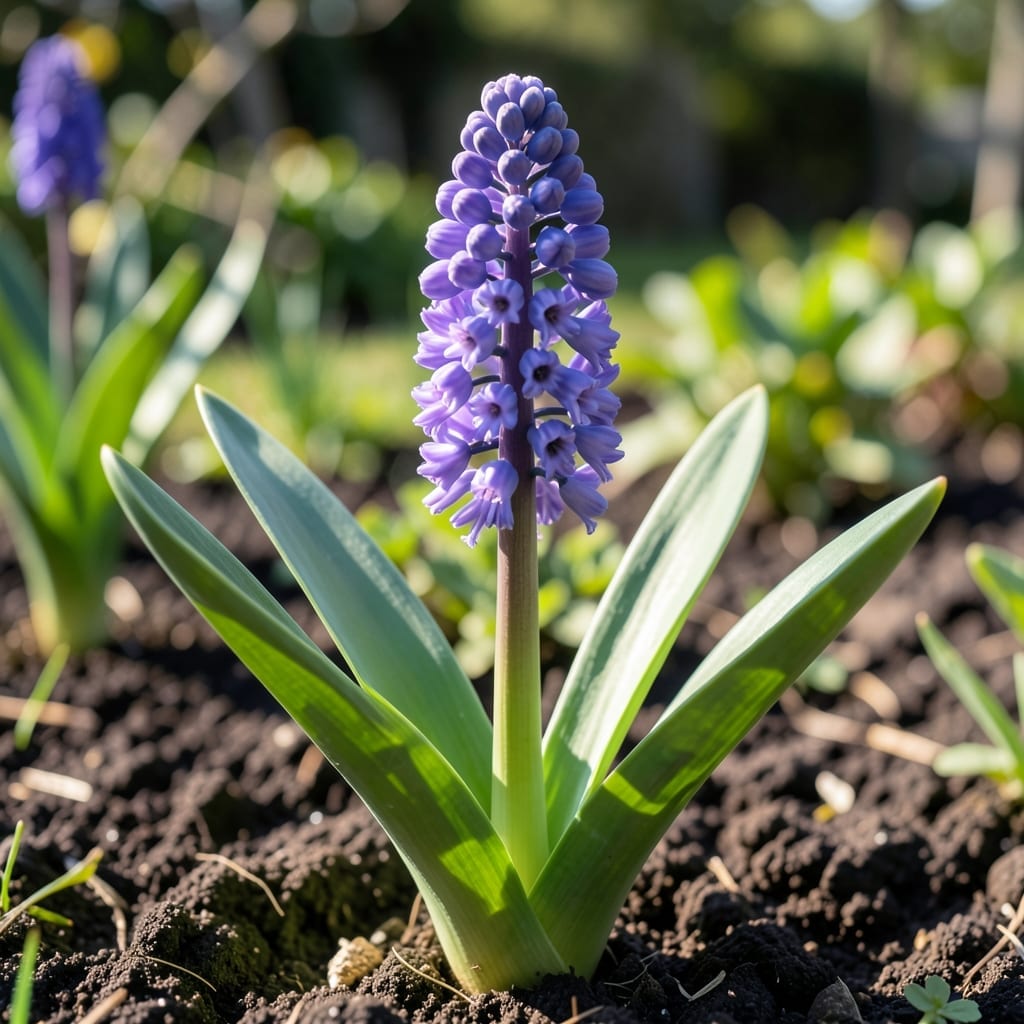
There’s nothing quite like the vibrant burst of Hyacinth 🌷 blooms to signal spring’s arrival. As a gardener, knowing when to expect those colorful spikes can help you plan the perfect seasonal display.
These hardy bulbs typically flower between March and April, bringing their signature fragrance just when winter feels endless. The exact timing depends on your zone and local conditions.
I’ll share how to predict your Hyacinth’s bloom time and simple tricks to ensure they perform their best. Let’s make this spring your most colorful yet.
Hyacinths are spring’s early risers, often pushing through the last frost to deliver fragrant blooms when we need them most. In most regions, you can expect flowers between March and April, but the exact timing varies significantly by climate zone.
Gardeners in warmer zones (7-8) may see blooms as early as late February, while those in cooler areas (4-5) might wait until early May. The bulbs are cold-hardy and actually need a winter chill to trigger spring flowering.
| Zone | Typical Bloom Time | Notes |
|---|---|---|
| 4-5 | Late April – Early May | Last to bloom, coldest zones |
| 6 | Mid to Late April | Standard spring bloom |
| 7-8 | March to Early April | Earliest blooms, warmer climates |
I’ve found that early varieties like ‘Blue Jacket’ or ‘Pink Pearl’ often bloom 1-2 weeks before standard types. These are perfect for gardeners eager to extend their spring color or create a staggered display.
For the most reliable bloom schedule, plant your hyacinth bulbs in fall (September-October). This gives them enough time to establish roots before winter and store energy for their spring performance.
Pro tip: If you’re in a mild winter area (zone 8-9), you might need to chill bulbs in the fridge for 8-10 weeks before planting to ensure proper flowering.
The flowering duration typically lasts 2-3 weeks, though this can be shorter in extreme heat or longer in cool, stable weather. I recommend planting in clusters of 5-7 bulbs for maximum visual impact.
Remember that first-year bulbs may bloom slightly later than established plants. After the first season, hyacinths often naturalize and return yearly with increasing reliability.
To maximize your hyacinth season, consider combining different varieties with staggered bloom times. This way, you can enjoy their colorful spikes and sweet fragrance for nearly a month.
In my experience, well-drained soil and full sun produce the most vibrant blooms, though hyacinths will tolerate partial shade with slightly later flowering.
🌷If you want to enjoy hyacinths beyond their natural window, there are several proven techniques to adjust their bloom time. I’ve successfully used bulb forcing to bring flowers indoors as early as December or January.
For outdoor gardens, planting sequential varieties like early ‘Purple Sensation’ followed by late ‘Woodstock’ can extend your hyacinth season by 4-6 weeks. This creates a rolling bloom display that keeps your garden vibrant.
I’ve found that planting depth can also influence timing. Bulbs planted 8 inches deep may emerge 1-2 weeks later than those at 6 inches. This is a simple way to stagger blooms without buying different varieties.
Container gardening offers another advantage. By keeping hyacinths in movable pots, you can control their exposure to warmth and light, effectively speeding up or slowing down their bloom cycle as needed.
Avoid the common mistake of over-fertilizing in spring, which can lead to leafy growth at the expense of flowers. Instead, focus on fall feeding with a balanced bulb fertilizer to encourage strong, timely blooms.
In my experience, consistent moisture during the bud formation stage is key. Too little water can delay flowering, while too much can rot the bulbs. Aim for 1 inch per week in active growth periods.
🌷