
Beautiful Plants For Your Interior
Beautiful Plants For Your Interior
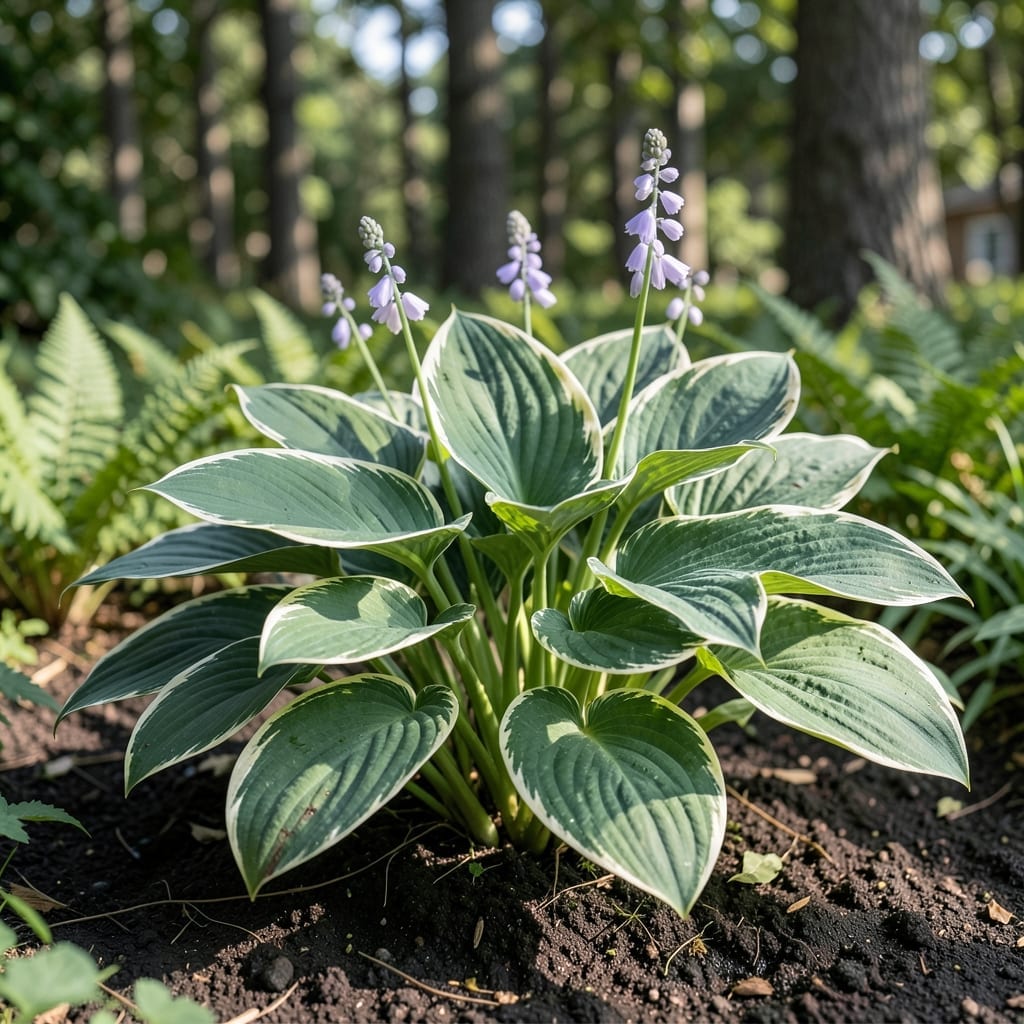
Watching your Hosta 🌿 disappear in fall can leave gardeners wondering if they’ll ever return. The good news? These hardy perennials reliably bounce back each spring—if you know when and where to look.
Understanding the seasonal cycle of Hosta helps you time your care perfectly. From Zones 3-8, these plants follow a predictable pattern that every gardener should recognize.
I’ll show you exactly when to expect those first green shoots to emerge. You’ll learn the key signs that your Hosta is ready to grow back stronger than ever.
Discover how climate affects regrowth timing and simple tricks to encourage healthy new growth this season.

I know how anxious it can feel watching your hostas vanish in fall, but these perennial favorites always surprise us with their spring comeback. The timing depends heavily on your USDA hardiness zone and local conditions.
In colder zones like 3-4, hostas typically break dormancy in late April to early May, while in warmer zones like 8-9, you might see those first purple or green shoots as early as March.
| Zone | Emergence Time | Soil Temp Trigger |
|---|---|---|
| 3-4 | Late April – Early May | 45-50°F |
| 5-6 | Mid to Late April | 50-55°F |
| 7-8 | Early to Mid April | 55-60°F |
| 9 | Late March – Early April | 60°F+ |
The soil temperature is the key trigger for hosta regrowth. I always check with a soil thermometer when I’m eager for those first emergent spears. Once the soil reaches about 50°F at 2-inch depth, your hostas will start pushing up.
In my Zone 6 garden, I typically see hosta noses poking through in mid-April. But remember, microclimates matter—sheltered south-facing beds may wake up 1-2 weeks earlier than exposed northern spots.
For blue hostas like ‘Halcyon’ or ‘Hadspen Blue’, the color development is tied to cool temperatures. These varieties often show their best blue hues when emerging in cooler spring weather.
If you’re in a warmer zone like 9, your hostas might start growing in late winter. I’ve heard from gardeners in Texas who spot new growth in February during mild years.
Don’t forget that hosta variety affects timing too. Miniature hostas often emerge a week or two later than their larger counterparts. My ‘Blue Mouse Ears’ always seem to be the last to appear.
To give your hostas the best start, I recommend clearing winter mulch as soon as you see new shoots. This prevents rot while allowing the sun to warm the soil. A light layer of compost can also provide a nutrient boost for emerging plants.
Remember, patience is key with hostas. Even in ideal conditions, it can take 3-4 weeks from first emergence to full leaf unfurling. But that first glimpse of green is always worth the wait! 🌱
I always get excited when I spot the first signs of hosta regrowth each spring. These hardy perennials give us clear signals when they’re ready to burst back to life after their winter rest.
One of the most reliable indicators is soil temperature. When the soil at 2-inch depth reaches about 50°F, your hostas will begin pushing up those characteristic spears. I use a simple soil thermometer to track this.
Another sure sign is the appearance of red or green shoots at the plant’s crown. These emergent spears are often the first visible sign that your hostas are breaking dormancy. I love watching these grow taller each day.
Don’t overlook the day length factor. Hostas are photoperiod-sensitive, meaning they respond to increasing daylight. When days reach about 12 hours of light, this often triggers regrowth.
In my experience, ‘Francee’ hostas often show white variegation early in their new growth, while blue varieties like ‘Halcyon’ may start with a purplish tint that develops into their signature color.
With these three key indicators, you’ll never miss your hostas’ spring return. It’s one of the most rewarding moments in my garden each year 🌱