
Beautiful Plants For Your Interior
Beautiful Plants For Your Interior
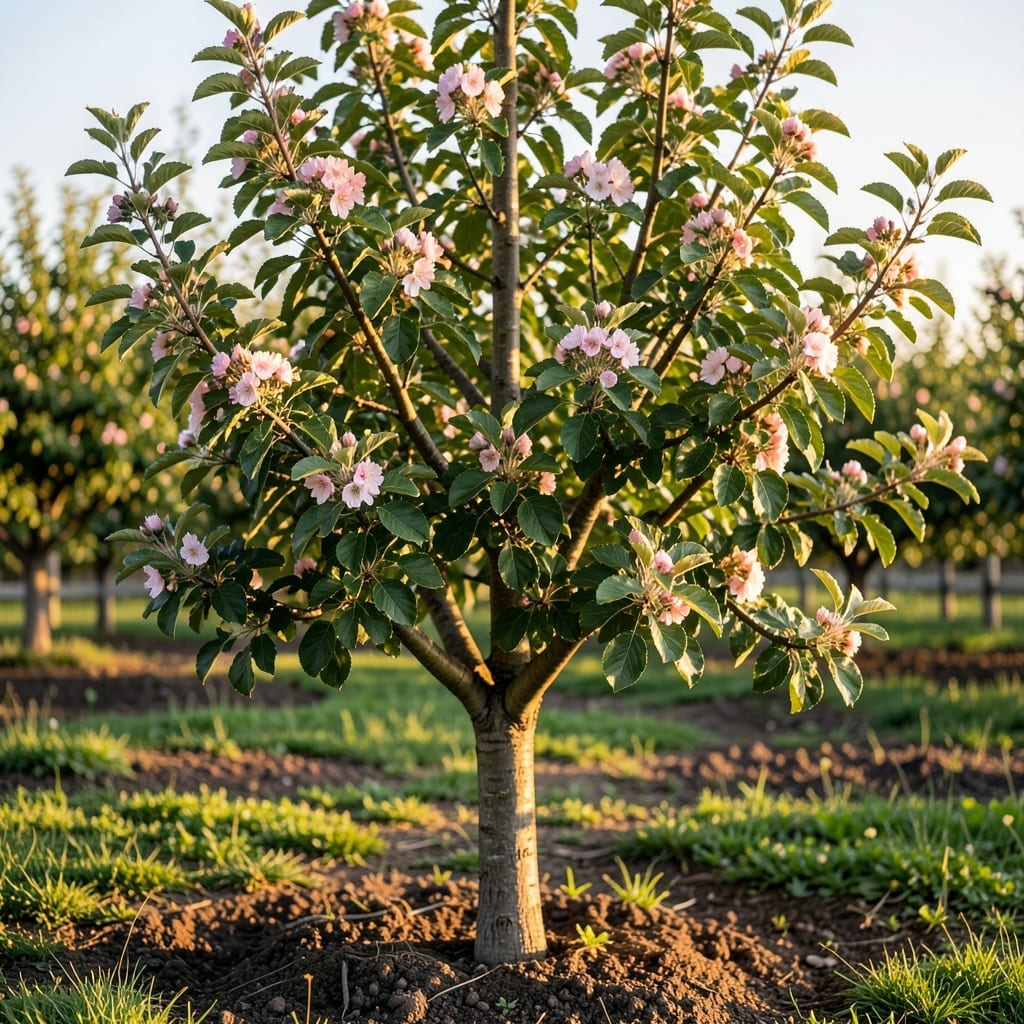
There’s something magical about watching a Honeycrisp Apple 🍏 tree transform from bare branches to a cloud of delicate blossoms. As a gardener, knowing when this happens can make or break your harvest.
These popular trees typically bloom in early spring, but the exact timing varies by climate and location. In USDA zones 3-7, you’ll usually see those beautiful flowers appearing as winter fades.
I’ll walk you through the key factors that influence blooming and how to use this knowledge for better fruit production. Let’s get started.
When I first planted my Honeycrisp apple trees, I was eager to see those first blossoms. The journey from dormancy to full bloom is fascinating and climate-dependent. In colder zones, the process starts after chill hour requirements are met.
These trees need 800-1000 chill hours below 45°F to break dormancy. Once satisfied, bud break begins as temperatures rise. This is your first sign that blooming is near.
| Stage | Timing | Key Indicators |
| Dormancy | Winter | Bare branches, no growth |
| Silver Tip | Early spring | Bud scales loosen, silver tips visible |
| Green Tip | 1-2 weeks later | Green tissue emerges from buds |
| Tight Cluster | 5-7 days after | Flower clusters become visible |
| Pink Bud | 3-5 days later | Pink color appears in buds |
| Full Bloom | 5-10 days after | 80% of flowers open |
In USDA zones 3-4, expect blooming in mid-May. The process accelerates in warmer climates. I’ve noticed my trees in zone 5 often bloom 2-3 weeks earlier than those in colder areas.
The peak bloom period typically lasts 7-10 days. This is the critical window for pollination. Bees and other pollinators are most active during this time.
After full bloom, the petal fall stage begins. This is when the blossoms drop, leaving behind tiny fruitlets. Proper pollination during bloom ensures good fruit set.
I recommend tracking daily temperatures in spring. Consistent 60-70°F days speed up the blooming process. A sudden late frost can damage blossoms, so be prepared to protect trees if needed.
For the best results, plant pollination partners nearby. Honeycrisp trees are not self-pollinating, so varieties like Gala or Fuji make excellent companions. This ensures cross-pollination and better fruit production. ☀️
Remember that young trees may take 3-5 years to produce their first blossoms. Patience is key with apple trees. Once established, they’ll reward you with beautiful spring blooms and delicious fruit for decades.
In my experience, the most reliable blooming occurs when trees receive full sun and consistent moisture. Avoid over-fertilizing in early spring, as this can delay blooming. 🌱
In my experience, several key factors influence when your Honeycrisp apple trees will bloom. Temperature fluctuations in early spring can either speed up or delay the process significantly.
A sudden late frost after bud break can damage blossoms, potentially ruining your harvest. I always keep an eye on the weather forecast during this critical period.
Tree age plays a big role in blooming. Most Honeycrisp trees won’t produce blossoms until they’re 3-5 years old. This is nature’s way of ensuring the tree is mature enough to support fruit.
Pruning practices can also impact blooming. I’ve learned that pruning at the wrong time can remove flower buds. Always prune during late dormancy before buds begin to swell.
Soil conditions affect overall tree health, which directly influences blooming. Trees in poorly draining soil may struggle to produce flowers. I recommend testing your soil and amending as needed.
Finally, pollination partners are crucial. Since Honeycrisp trees aren’t self-pollinating, planting compatible varieties like Gala or Fuji nearby ensures better fruit set. This simple step can dramatically improve your harvest. 🌳