
Beautiful Plants For Your Interior
Beautiful Plants For Your Interior
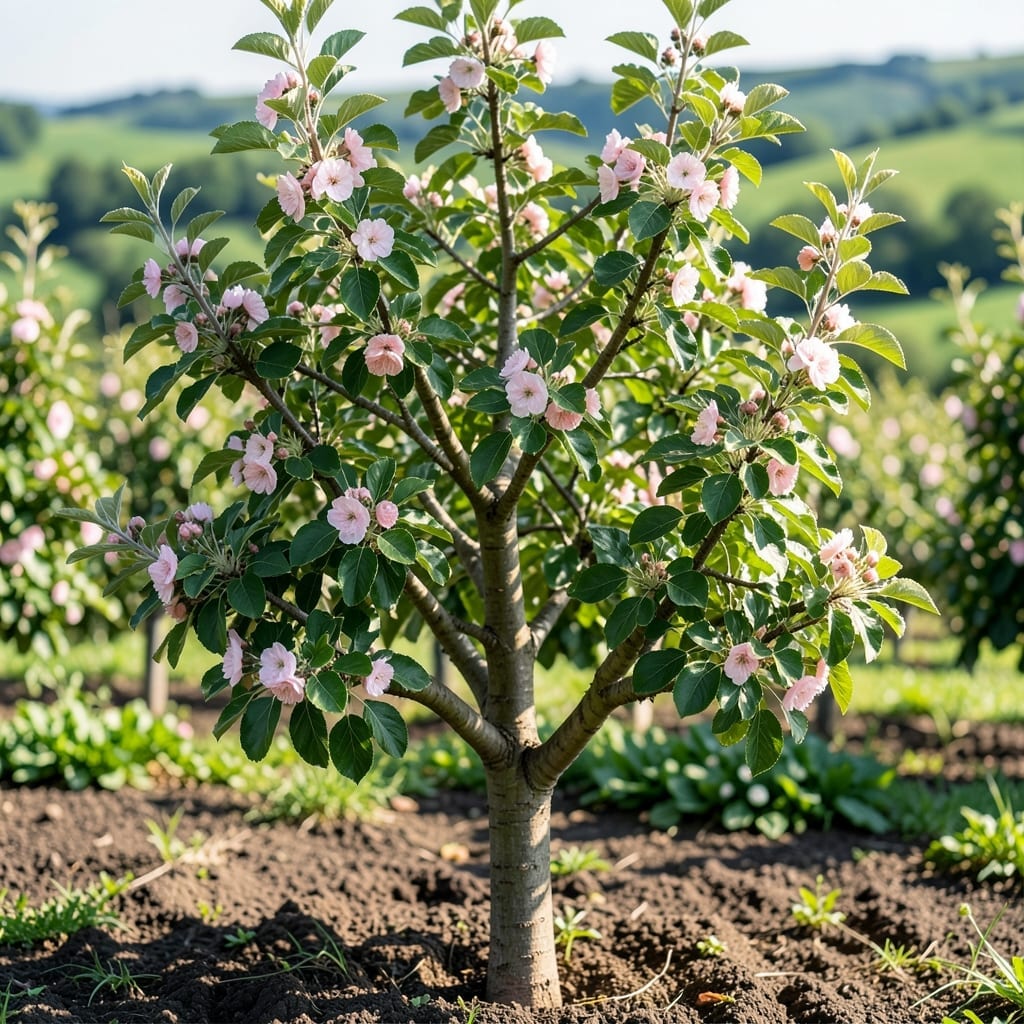
There’s something magical about watching a 🍏 Honeycrisp Apple Tree burst into bloom. As a gardener, knowing when to expect those delicate blossoms can make all the difference in your harvest.
Typically, these trees show their stunning flowers in mid-to-late spring, but timing can shift based on your climate. In USDA zones 3-7, you’ll usually see blooms between April and May.
Discover how to spot the perfect blooming window and what factors might affect your tree’s schedule. Let’s explore what makes this season so special for your garden.
If you’re growing a Honeycrisp Apple Tree, you’ll want to mark your calendar for its blooming season. These trees typically burst into flower in mid-to-late spring, with the exact timing depending on your climate and location. In most regions, expect blooms between April and May.
For gardeners in USDA zones 3-7, the blooming window can shift slightly. Warmer areas may see flowers earlier, while cooler zones might experience a later bloom. It’s all about the chill hours your tree receives during winter dormancy.
| Stage | Timing | Notes |
|---|---|---|
| Bud Break | Early Spring | After winter dormancy |
| Bloom Start | Mid-Spring | Pink buds appear first |
| Full Bloom | Mid-to-Late Spring | White-pink flowers open |
| Pollination | During Bloom | Bees transfer pollen |
The blooming period is critical for pollination. Bees and other pollinators are most active during this time, so ensuring your garden is bee-friendly can boost fruit set. I always plant companion flowers nearby to attract more pollinators.
Chill hours are another key factor. Honeycrisp trees need about 800-1,000 chill hours (temperatures between 32°F and 45°F) to break dormancy and bloom properly. Without enough chill, the blooming may be sparse or delayed.
Regional variations play a big role too. In the Pacific Northwest, blooms may start in late April, while in the Midwest, you might see flowers in early May. Always check local frost dates, as a late frost can damage delicate blossoms.
Young trees may take 2-5 years to produce their first blooms. Patience is key! Once mature, your Honeycrisp will reward you with consistent annual blooms if given proper care, including full sun and well-draining soil.
If you notice your tree isn’t blooming, it could be due to insufficient sunlight, poor nutrition, or improper pruning. I’ve found that a light application of balanced fertilizer in early spring can encourage healthier blooms.
Finally, keep an eye on the weather. A late spring frost can devastate flowers, so be ready to protect your tree with frost cloth if cold snaps are forecasted. With the right care, your Honeycrisp will thrive and produce those famous crisp, sweet apples.
☀️To get the most from your Honeycrisp Apple Tree, focus on creating ideal conditions for blooming. I start with proper pruning in late winter to remove dead wood and improve airflow. This helps the tree direct energy toward flower production.
Fertilization is another key step. Apply a balanced 10-10-10 fertilizer in early spring, just as buds begin to swell. This gives your tree the nutrients it needs for robust blooms and healthy fruit development.
Watering is critical during the blooming period. I ensure my tree gets a deep soak weekly, especially if rainfall is scarce. Avoid overwatering, as soggy soil can stress the tree and reduce flower production.
Don’t forget about pollination support. Honeycrisp trees often need a pollinator partner. Planting another apple variety, like Gala or Fuji, within 50 feet ensures cross-pollination for a better fruit set.
Pest control is essential too. Aphids and apple maggots can damage blooms. I use neem oil or introduce beneficial insects like ladybugs to keep pests in check without harming pollinators.
Finally, monitor for disease signs like apple scab or powdery mildew. Regularly inspect leaves and blooms, and remove any affected areas promptly. A healthy tree is more likely to produce abundant, vibrant blooms year after year. 🌿