
Beautiful Plants For Your Interior
Beautiful Plants For Your Interior
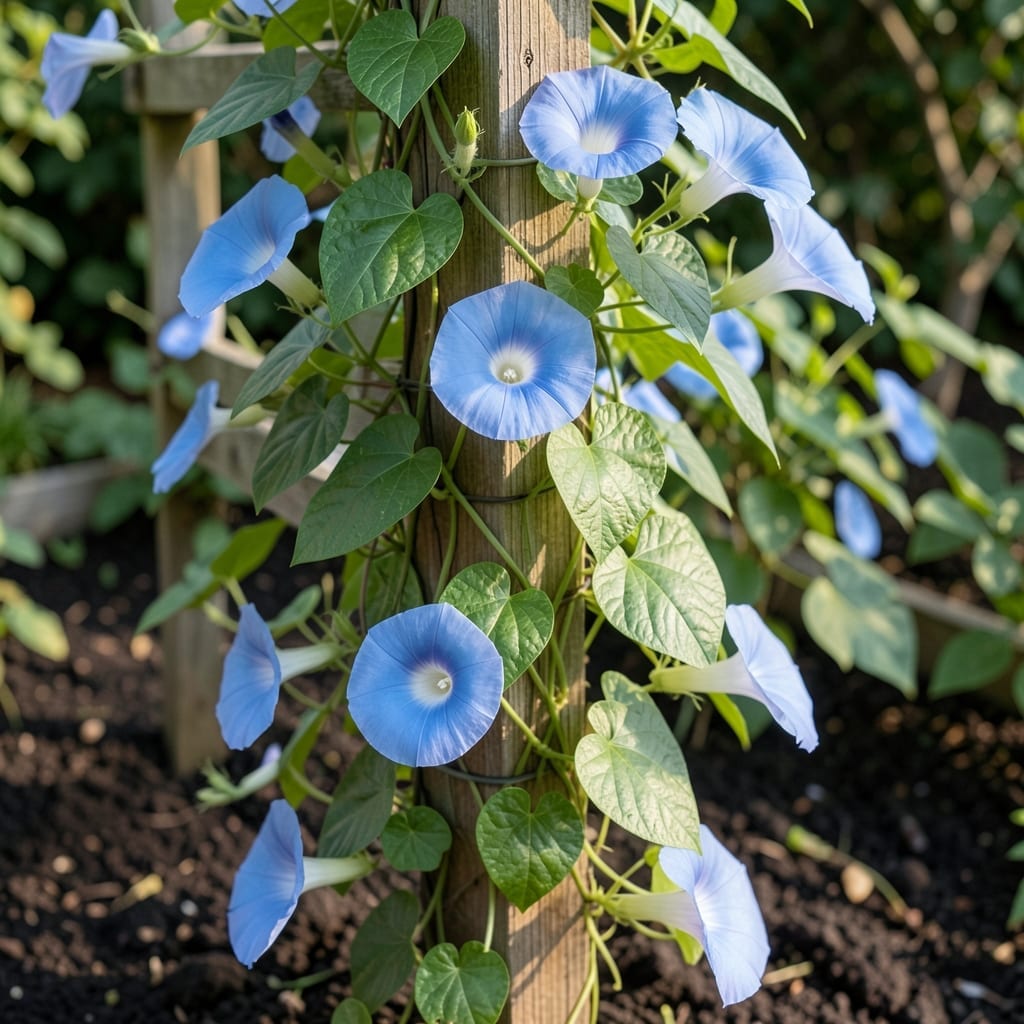
Heavenly Blue morning glories are a gardener’s dream with their stunning cobalt blooms, but knowing exactly when they’ll flower can make all the difference.
I’ve learned that timing is everything with the Heavenly Blue Morning Glory 🌸. These vibrant vines don’t just appear overnight—they follow a predictable rhythm from seed to full bloom.
If you’ve ever wondered when to expect those first breathtaking flowers, you’re in the right place. The wait can feel long, but understanding their natural cycle turns patience into excitement.
Let me walk you through what to expect, from planting in spring to that magical moment when the first blue trumpets open at dawn.
If you’re growing Heavenly Blue morning glories and wondering when those iconic cobalt blooms will appear, I’ve got you covered. The journey from seed to flower is a rewarding process that typically spans 60-90 days in optimal conditions. ☀️
Understanding this blooming timeline helps gardeners plan for a spectacular summer display. The first step is germination, which usually takes 5-10 days in warm, moist soil. After that, the vines begin their rapid climb. 🌱
| Stage | Timeline | Key Notes |
|---|---|---|
| Germination | 5-10 days | Soil temp 70-85°F, keep moist |
| Vine Growth | 4-6 weeks | Reaches 3-6 feet, needs support |
| Bud Formation | 45-60 days | Tiny buds appear along vines |
| First Blooms | 60-90 days | Opens at sunrise, lasts one day |
After germination, the vines grow quickly, often adding 1-2 feet per week under ideal conditions. By 4-6 weeks, you’ll notice the vines thickening and spreading, which is a sign they’re preparing for the next phase. ✂️
At the 45-60 day mark, you’ll start seeing small buds forming along the stems. These are the precursors to your Heavenly Blue flowers, and they’re a great indicator that blooming is just around the corner.
The moment every gardener waits for arrives around 60-90 days after sowing. This is when the first trumpet-shaped blue flowers open, usually in the early morning. Each bloom lasts just one day, but don’t worry—the plant produces new ones daily. 🌷
It’s important to note that this timeline can vary based on your climate and care. In warmer regions, blooms may appear earlier, while cooler areas might see a slight delay. Consistent watering and full sun exposure are key to staying on track.
If you started seeds indoors, add about 2-3 weeks to the timeline, as the plants will need time to acclimate after transplanting. I always recommend hardening off seedlings to prevent transplant shock, which can set back blooming.
Once the first flowers appear, Heavenly Blue morning glories will continue blooming until the first frost. In many regions, this means you can enjoy their stunning cobalt hues from early summer through fall. 🌿
To maximize your blooming season, keep the vines well-supported on a trellis or fence. This not only encourages healthier growth but also makes it easier to spot and enjoy each new flower as it opens. Proper support can also improve air circulation, reducing the risk of disease.
I’ve found that Heavenly Blue morning glories typically bloom 60-90 days after sowing, but several factors can shift this timeline. Sunlight exposure is critical—these vines need 6+ hours of direct sun daily to thrive and flower on schedule.
Soil temperature also plays a huge role. These plants prefer 70-85°F for optimal growth. Cooler soils slow germination and delay blooming, while warmer conditions can speed up the process.
Consistent watering habits matter too. I water my morning glories deeply once a week, ensuring the soil stays moist but never waterlogged. Overwatering can rot the roots and delay flowering.
Using the right fertilizer makes a difference. I recommend a 5-10-10 NPK formula to encourage blooming. Apply it every 4-6 weeks during the growing season for the best results.
Regional climate can shift bloom times by weeks. In warmer zones, you might see flowers as early as July, while cooler areas may wait until late August or early September.
If your vines are slow to bloom, check for nutrient deficiencies or poor drainage. Adjusting care based on these factors can help ensure a timely, spectacular display of cobalt flowers.☀️