
Beautiful Plants For Your Interior
Beautiful Plants For Your Interior
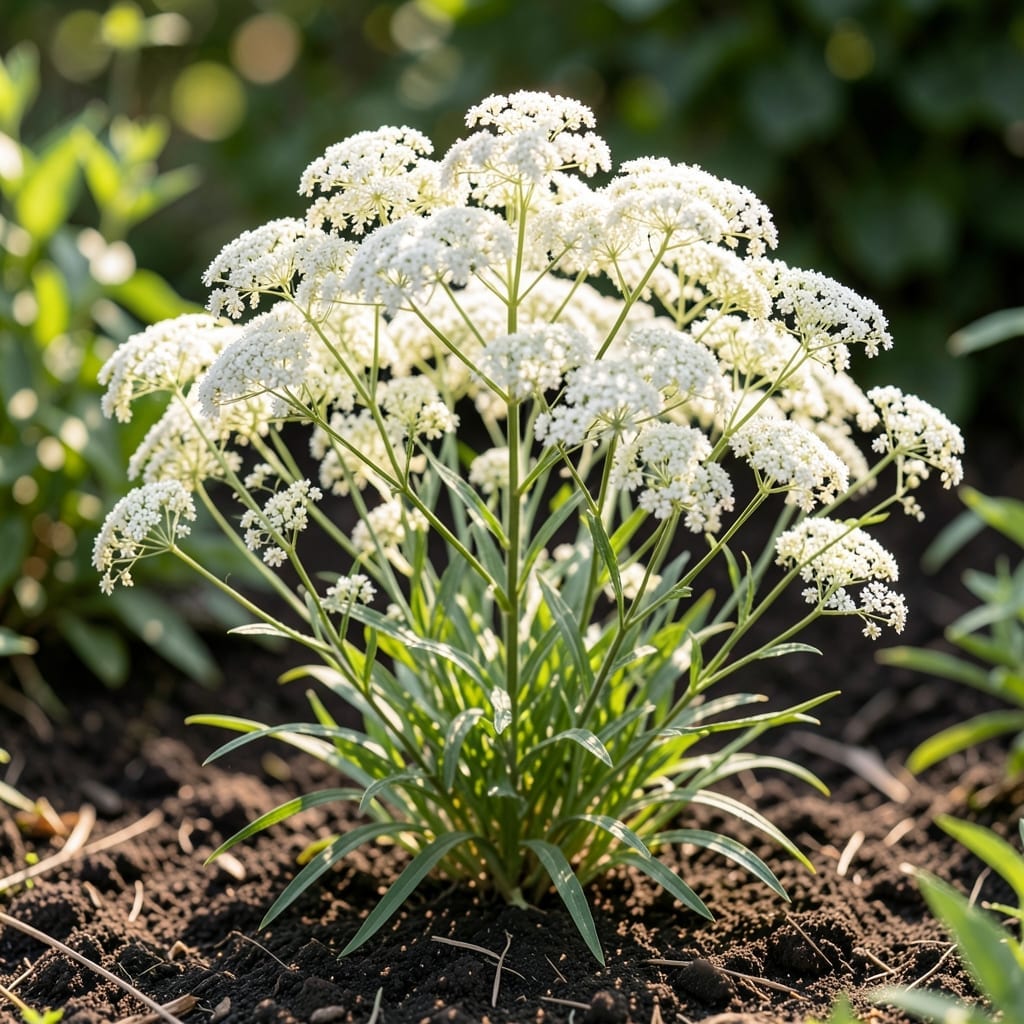
There’s something magical about watching Gypsophila 🌸 transform your garden into a sea of delicate white or pink blooms. As a gardener, timing these ethereal flowers perfectly can make all the difference in your landscape.
I remember the first time I planted Gypsophila and waited eagerly for those airy clusters to appear. Understanding its natural flowering rhythm helps you plan and care for it properly.
From my experience, these plants have a predictable pattern that varies slightly by climate. Knowing when to expect blooms lets you create the dreamy garden display you’ve always wanted.
Discover how to align your planting schedule with Gypsophila’s natural flowering season. The results will speak for themselves in your garden.
If you’re wondering when do gypsophila flower, the answer depends on the variety and your climate. Most annual gypsophila like Gypsophila elegans bloom in early to mid-summer, while perennial types such as Gypsophila paniculata typically flower from late spring to early fall. ☀️
In cooler climates (USDA zones 3-5), perennial gypsophila may start blooming in June or July. Warmer regions (zones 6-9) often see flowers as early as May, with some varieties continuing into September. The bloom duration can last 4-8 weeks with proper care. 🌱
| Variety | Type | Bloom Time | Duration |
|---|---|---|---|
| Gypsophila elegans | Annual | June-August | 6-8 weeks |
| Gypsophila paniculata | Perennial | May-September | 8-12 weeks |
| Gypsophila repens | Perennial | Late Spring-Fall | 10-14 weeks |
For annual gypsophila, I recommend sowing seeds indoors 6-8 weeks before the last frost. This gives them a head start for early summer blooms. In mild climates, you can also direct sow in early spring for a longer flowering season. 🌿
Perennial gypsophila often takes 2-3 years to reach full flowering potential. Once established, these plants are drought-tolerant and will reward you with abundant blooms year after year. I’ve found that well-drained soil is key to preventing root rot and encouraging healthy growth.
In hotter regions, gypsophila may experience a brief dormancy during the hottest part of summer. Don’t worry—this is normal! The plants usually resume blooming once temperatures cool slightly. Providing afternoon shade can help extend the flowering period in these areas.
If you’re growing gypsophila in containers, keep in mind that potted plants may bloom slightly earlier than those in the ground due to warmer soil temperatures. Just be sure to water regularly, as containers dry out faster than garden beds. ✂️
For the best display, I like to plant gypsophila in full sun with good air circulation. This helps prevent powdery mildew, a common issue in humid climates. If you notice yellowing leaves or stunted growth, it might be a sign of overwatering or poor drainage.
In coastal areas, gypsophila thrives thanks to the moderate temperatures and humidity. Here, you might see blooms starting in late spring and continuing well into fall. Just watch out for strong winds, which can damage the delicate stems.
To maximize your gypsophila’s flowering, I suggest deadheading spent blooms regularly. This encourages the plant to produce more flowers rather than setting seed. A light application of fertilizer in early spring can also give your plants a boost for a longer bloom season. 🌷
If you’re growing gypsophila and wondering why blooms aren’t appearing as expected, several key factors come into play. I’ve found that sunlight exposure is one of the most critical elements for timely flowering.
Most varieties thrive in full sun conditions, needing at least 6 hours of direct sunlight daily to produce their signature cloud-like blooms. Without enough light, the plant may focus on foliage rather than flowers 🌿
Soil conditions also significantly impact bloom time. Gypsophila prefers well-draining soil with a slightly alkaline pH. Heavy or waterlogged soil can delay flowering or even cause root rot.
I always recommend testing your soil before planting. If it’s too acidic, adding lime can help create the ideal environment for your gypsophila to thrive and bloom on schedule.
Watering practices are another crucial factor. While gypsophila is drought-tolerant once established, consistent moisture during the growing season encourages better blooming. Be careful not to overwater.
Finally, pruning and deadheading can stimulate additional blooms. I make it a habit to remove spent flowers regularly, which often encourages a second flush of blooms later in the season ✂️