
Beautiful Plants For Your Interior
Beautiful Plants For Your Interior
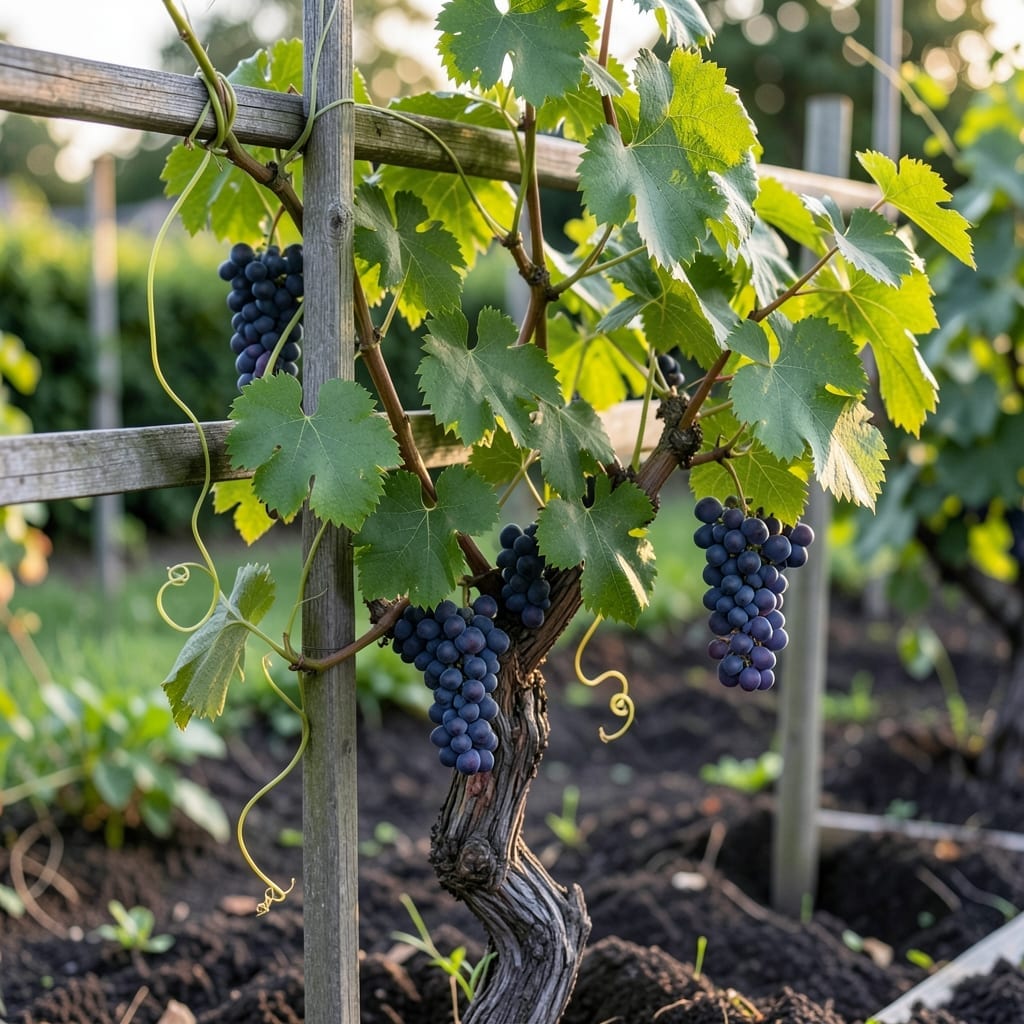
Watching your 🍇 Grape vines grow is exciting, but knowing when they’ll produce fruit can feel like a mystery. The timeline from planting to harvest depends on variety, climate, and care.
Most gardeners see their first clusters in 2-3 years, with full production kicking in around year four. Patience is key—these vines need time to establish strong roots before focusing on fruit.
I’ll walk you through the yearly harvest timeline and the signs your vines are ready. Whether you’re growing in Zone 6 or warmer, understanding these stages will set you up for success.
Discover how to optimize your care for faster, more abundant harvests. Let’s get started on this rewarding journey together.
If you’ve just planted grapevines, you’re probably wondering when you’ll see those first juicy clusters. The journey from planting to harvest is a patient one, but understanding each stage helps set realistic expectations for your home vineyard.
Grapevines follow a predictable growth pattern. In the first year, they focus on establishing a strong root system rather than producing fruit. This is critical for long-term health and productivity.
🌱 Grapevine Growth Stages
| Stage | Duration | Key Focus |
|---|---|---|
| Year 1 | 12 months | Root establishment |
| Year 2 | 12 months | Vine growth, cane development |
| Year 3 | 12+ months | First fruit production |
| Mature | 5+ years | Full production |
During the second year, your grapevines will shift their energy toward vine growth and cane development. You might see small flower clusters, but it’s best to remove them to encourage stronger growth for future harvests.
By the third year, most grapevines are ready to produce their first fruit clusters. However, the exact timing can vary based on the grape variety and growing conditions. Early varieties may produce sooner, while some may take up to 4-5 years.
Once your vines reach maturity, typically around 5-7 years, they’ll enter their peak production phase. At this stage, you can expect consistent annual harvests with proper care and pruning.
It’s important to note that climate plays a role in this timeline. In warmer regions, grapevines may mature faster, while cooler climates can slow down the process. Always consider your USDA zone when planning your vineyard.
To optimize fruit production, ensure your vines receive full sun (at least 8 hours daily) and are planted in well-draining soil. Regular pruning and proper training on a trellis will also encourage healthy growth and better fruit yields.
Remember, the first harvest might be small, but don’t be discouraged. With each passing year, your grapevines will grow stronger and more productive, rewarding your patience with abundant clusters of delicious grapes. ☀️
If you’re growing cold-hardy varieties like Concord or Niagara, you might see fruit a bit earlier than with some European varieties. Each type has its own growth rhythm, so research your specific variety for the best results.
Finally, keep an eye out for signs of readiness, such as mature canes and the appearance of flower clusters in spring. These are clear indicators that your grapevines are on track for a successful harvest season. 🌿
Your grape harvest timeline isn’t set in stone—it shifts with climate and grape variety. Warm regions like California may see fruit in 2 years, while cooler areas often wait 3-4 years. 🌱
Cold-hardy varieties like Concord or Valiant thrive in USDA zones 4-6, while Thompson Seedless prefers zones 7-10. Each has unique chill hour needs that impact fruiting.
In warmer climates, early varieties like Flame Seedless ripen in 90-100 days, while late varieties may take 150 days. Cooler areas need fast-maturing types to beat frost. ☀️
Your local microclimate matters too. South-facing slopes or urban heat islands can speed up ripening. I’ve seen vines in sheltered spots bear fruit 6 months earlier than exposed ones.
Pruning and training also play a role. Well-pruned vines focus energy on fruit production rather than excess foliage. Aim for balanced growth to maximize yields.
Finally, consistent watering and soil health ensure steady progress. Drought-stressed vines may delay fruiting, while overwatering can reduce fruit quality. Test your soil and adjust care as needed. 💧