
Beautiful Plants For Your Interior
Beautiful Plants For Your Interior
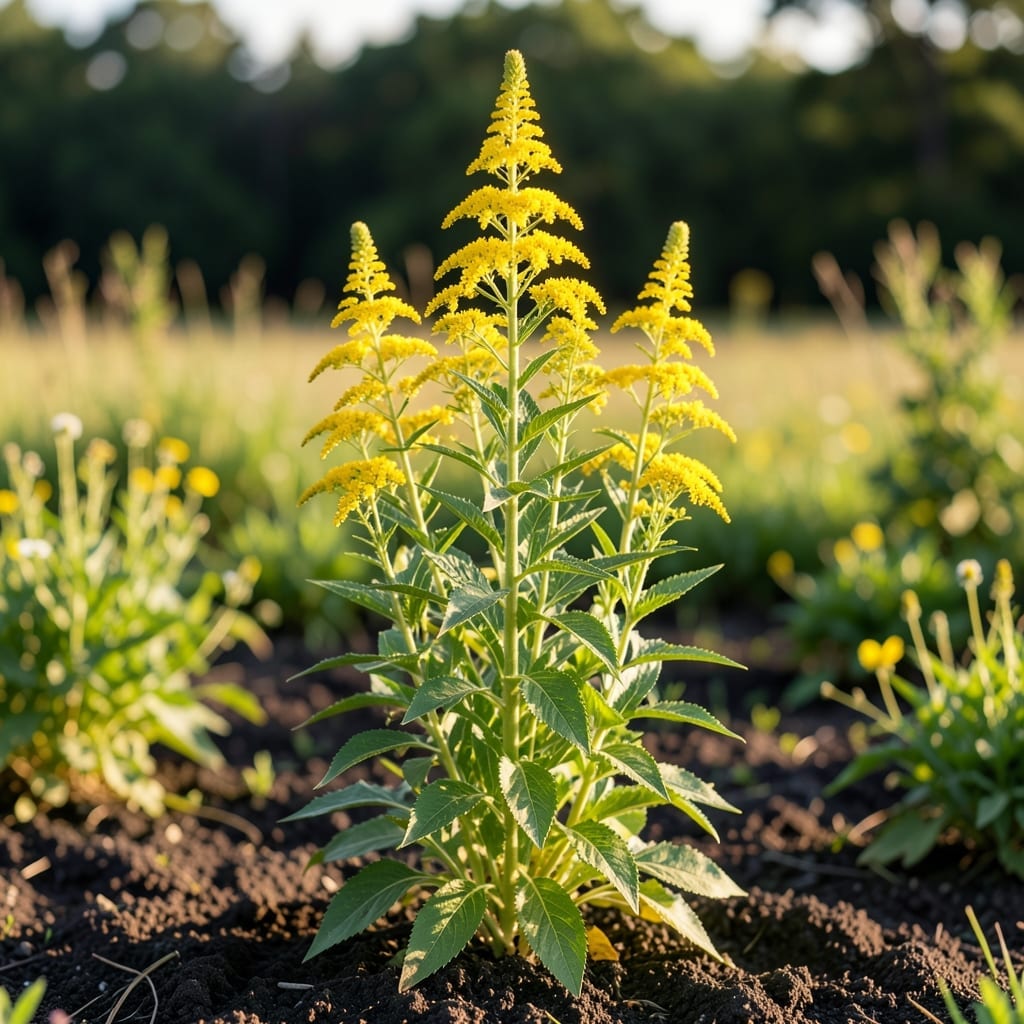
There’s something magical about watching Goldenrod 🌼 transform a garden with its sunny blooms. These cheerful plants bring late-season color just when other flowers start to fade.
But timing is everything. Whether you’re planning a pollinator garden or just love seasonal displays, knowing their bloom window helps you make the most of their beauty.
I’ll share the key factors that influence when these vibrant flowers appear, so you can enjoy their golden glow at just the right moment.
If you’re wondering when goldenrods bloom, the answer depends on the variety. These cheerful yellow flowers typically light up gardens from midsummer to fall, but each species has its own schedule.
Early bloomers like Sweet Goldenrod start as early as July, while others hold off until September or October. This staggered timing is perfect for pollinator gardens that need continuous nectar sources.
| Goldenrod Variety | Bloom Time | USDA Zones |
| Sweet Goldenrod | July – August | 4 – 8 |
| Stiff Goldenrod | August – September | 3 – 9 |
| Showy Goldenrod | August – October | 5 – 9 |
| Wrinkleleaf Goldenrod | September – October | 4 – 8 |
| White Goldenrod | September – October | 5 – 9 |
I love how Stiff Goldenrod bridges the gap between summer and fall, often blooming in late August when many gardens start looking tired. Its upright habit and bright plumes attract bees and butterflies in droves.
Showy Goldenrod is another favorite for its extended bloom period. It can start in August and keep going strong until frost, giving you months of golden color and pollinator activity.
For cooler climates, Wrinkleleaf Goldenrod is a late-season star. It waits until September to burst into bloom, just as other plants begin to wind down. This makes it ideal for northern gardens where early frosts are a concern.
If you’re in a warmer zone, you might see Sweet Goldenrod as early as July. Its sweet fragrance is an added bonus that draws in beneficial insects like hoverflies and parasitic wasps.
Don’t forget about White Goldenrod, which offers the same pollinator benefits but with a unique ivory hue. It typically blooms in September and October, providing a soft contrast to the usual golden tones.
To maximize your goldenrod display, I recommend planting a mix of varieties. This way, you’ll have continuous color from midsummer through fall, keeping your garden vibrant and the pollinators happy.
Remember, these are general guidelines. Your local climate conditions like rainfall and temperature can shift bloom times by a week or two. Observing your plants year to year will help you fine-tune your expectations.
With the right selection, you can enjoy goldenrod’s cheerful blooms for nearly three months of the growing season. 🌼
Goldenrods are remarkably adaptable, but their bloom timing shifts with your local conditions. In my experience, even the same variety can flower 2-3 weeks earlier in warmer zones compared to cooler areas.
USDA hardiness zones play a huge role. Gardeners in Zone 7 often see blooms in early August, while those in Zone 4 might wait until late August or September for the same variety.
I’ve noticed that microclimates make a big difference too. A south-facing slope warms up faster in spring, often triggering earlier blooms than a shady north side of the same yard.
Rainfall patterns also influence timing. Consistent moisture leads to stronger plants that bloom on schedule. But drought conditions can stress the plants, sometimes causing premature flowering or smaller blooms.
If you want to extend the bloom season, try planting in different microclimates around your property. I’ve had success with container-grown goldenrods that I can move to sunnier spots to encourage earlier blooms.
Remember that urban heat islands can make city gardens bloom 1-2 weeks earlier than rural areas. This is something to consider if you’re comparing notes with gardening friends in different settings.
With a little observation, you’ll learn how your specific conditions affect your goldenrods’ schedule. 🌼