
Beautiful Plants For Your Interior
Beautiful Plants For Your Interior
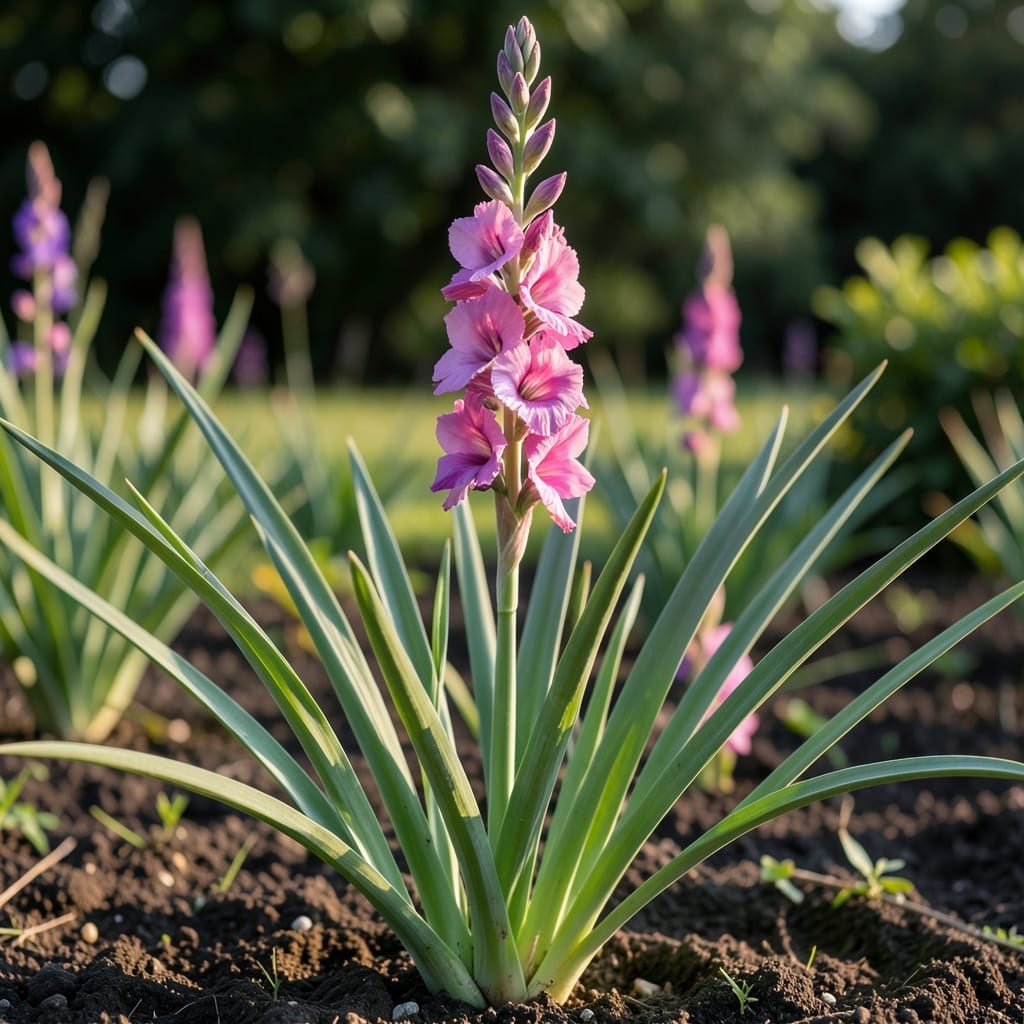
There’s something magical about watching Gladiolus 🌸 spikes rise from the soil, promising a burst of color in your garden. As a gardener, timing is everything when it comes to these stunning blooms.
If you’ve ever wondered when to expect those vibrant flowers, you’re not alone. The blooming period for Gladiolus depends on your planting strategy and local climate, especially in Zone 6.
I’ll walk you through the typical timeline, so you can plan your garden for maximum impact. Whether you’re a seasoned gardener or just starting out, this knowledge will help you create a breathtaking display.
Discover how to align your planting schedule with nature’s rhythm for the best results. Let’s get those glads blooming at just the right time.
If you’re wondering when do glads bloom, the answer depends largely on your USDA hardiness zone. In warmer zones like 9-11, gladiolus often bloom earlier, sometimes as soon as late spring.
Cooler zones like 3-5 typically see blooms in mid to late summer. The timing also varies by gladiolus variety, with early types flowering 60-70 days after planting.☀️
| Zone | Blooming Period | Early Varieties |
|---|---|---|
| 3-4 | Late July – August | 70-80 days |
| 5-6 | July – August | 60-75 days |
| 7-8 | June – July | 60-70 days |
| 9-11 | May – June | 50-65 days |
In zone 7-8, I’ve found that planting gladiolus corms in early spring leads to blooms by early summer. The soil temperature needs to be at least 55°F for best results.
For zone 5-6, planting after the last frost usually means blooms appear in July or August. If you’re in zone 3-4, expect blooms closer to late July or August.
Early blooming varieties like ‘Atom’ or ‘Boone’ can flower in as little as 60 days. Mid-season types like ‘Friendship’ take about 70-80 days, while late varieties may need 90 days.
In warmer climates, I’ve seen gladiolus bloom twice in a season if the corms are dug up and replanted. This works especially well in zone 9-11 where winters are mild.🌱
If you’re in a cooler zone, consider starting corms indoors in early spring to give them a head start. This can help you achieve earlier blooms even in zone 4-5.
For the most consistent blooming, plant corms in well-draining soil with full sun exposure. I always make sure my glads get at least 6-8 hours of sunlight daily for the best results.
Finally, remember that watering deeply but infrequently helps gladiolus develop strong stems and vibrant blooms. Aim for about 1-2 inches of water per week during the growing season.
With the right care and timing, your gladiolus will reward you with stunning vertical spikes of color that can last for weeks.🌿
If you want gladiolus blooms to last longer, I stagger my planting times every 2 weeks from early spring to early summer. This simple trick ensures a continuous display of color in my garden.
Choosing early, mid-season, and late varieties also helps spread out the blooming period. I always check the corm size too—larger corms often produce earlier blooms.
Tips to Control Gladiolus Blooming:
For a longer bloom season, I also ensure my glads get full sun and well-draining soil. These conditions help the plants thrive and encourage more flower spikes per corm.
If you live in a hotter climate, try planting in partial shade to delay blooms. This works well in USDA zones 8-11 where summers can be intense. I’ve seen this extend the blooming period by 2-3 weeks.
Removing spent flowers promptly prevents the plant from wasting energy on seed production. This redirects its focus to producing more blooms on remaining spikes.
Finally, I always dig up corms in fall for storage in colder zones. Replanting them the next year ensures stronger and more reliable blooms 🌸