
Beautiful Plants For Your Interior
Beautiful Plants For Your Interior
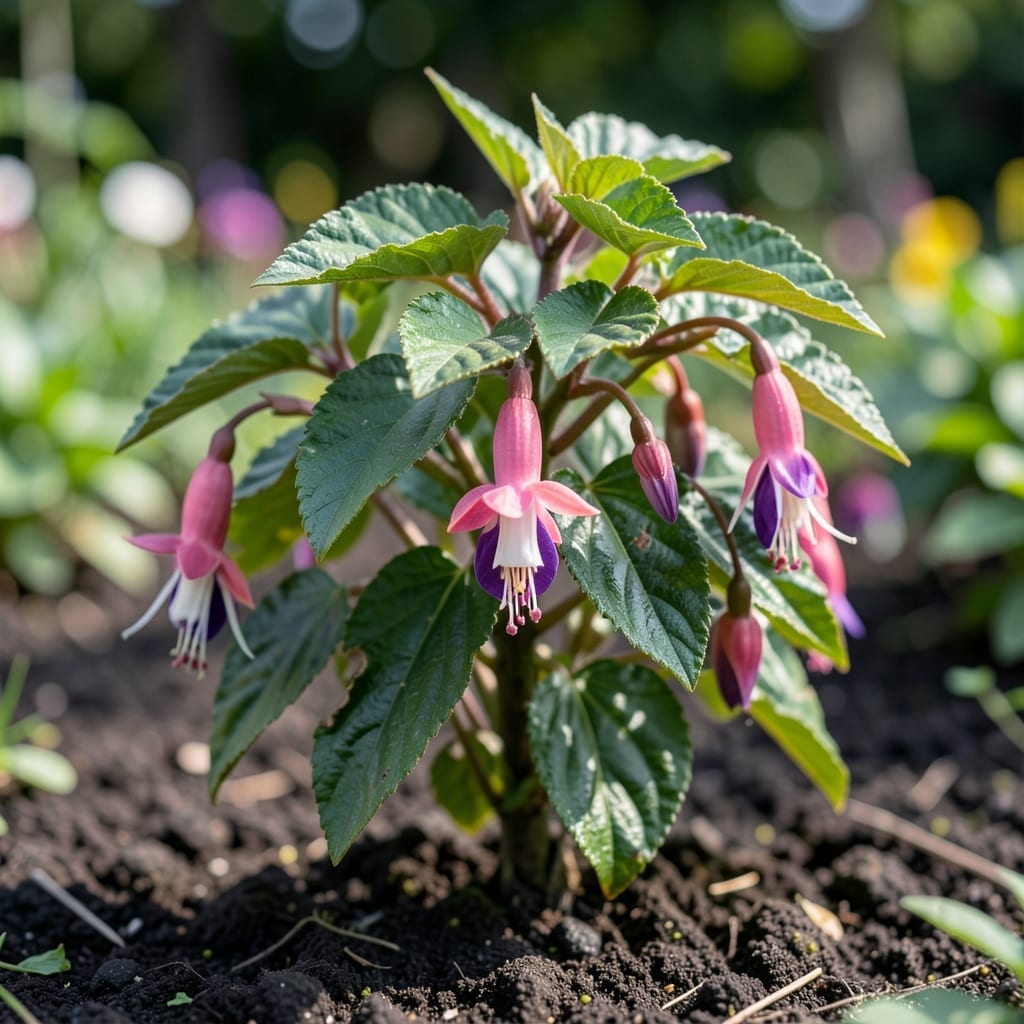
There’s something magical about watching Fuchsia 🌸 plants burst into color, their delicate flowers dancing in the breeze. But if you’ve ever wondered when to expect this spectacular show, you’re not alone.
Many gardeners plant these beauties only to wait impatiently for blooms that never seem to arrive. The truth is, timing depends on several factors you can actually control.
I’ve learned through trial and error that the key lies in understanding their natural rhythm. From climate considerations to proper care techniques, there’s a science to their blooming schedule.
Discover how to time your planting and care for maximum color impact. Your garden will thank you with a vibrant display that lasts all season long.
If you’re wondering when do fuchsias bloom, the answer depends on your climate zone and the fuchsia variety you’re growing. These stunning plants typically start flowering in late spring and continue through early fall in ideal conditions. 🌸
In cooler climates like USDA zones 6-7, hardy fuchsias begin blooming in June after the last frost. Tender varieties in warmer zones 8-10 often start earlier, sometimes as soon as April or May. The blooming period can last until the first frost. 🌿
| Variety | Climate Zone | Bloom Start | Bloom End |
|---|---|---|---|
| Hardy Fuchsias | Zones 6-7 | June | First Frost |
| Tender Fuchsias | Zones 8-10 | April-May | Late Fall |
| Basket Fuchsias | Zones 9-11 | May | November |
| Upright Fuchsias | Zones 7-9 | June | October |
The blooming timeline also varies by growing conditions. Fuchsias in containers may bloom slightly later than those in the ground. Consistent watering and fertilizing can encourage earlier and more abundant flowers. I’ve found that morning sun with afternoon shade produces the best results. ✂️
In mild coastal areas, some fuchsias can bloom year-round with proper care. However, in most regions, they enter dormancy during winter. To maximize your blooming season, start plants indoors 6-8 weeks before the last frost date. This gives them a head start on flower production. 🌱
Deadheading spent blooms is crucial for continuous flowering. I recommend checking your plants every few days during peak bloom and removing faded flowers. This encourages the plant to produce new buds rather than setting seed. 💧
For earlier blooms, consider pinching back new growth in early spring. This promotes bushier plants with more flowering sites. Just be sure to stop pinching 4-6 weeks before your expected bloom time to allow flower buds to form. ☀️
The color intensity of fuchsia blooms can also indicate their stage. Deep, rich colors often appear in the peak of summer, while softer hues may emerge in early spring or late fall. Proper soil pH (slightly acidic) helps maintain vibrant colors. 🌷
Remember that temperature fluctuations can affect blooming. Fuchsias prefer 60-75°F during the day and 50-60°F at night. Extreme heat can cause bud drop, while cold snaps may delay flowering. Providing consistent conditions will give you the longest blooming period. 🌡️
Whether you’re growing fuchsias in hanging baskets, garden beds, or containers, understanding their blooming habits helps you plan for a season full of color. With the right care, these plants can provide months of beauty in your garden. 🪴
I’ve found that fuchsias can bloom from late spring to first frost, but with proper care, you can extend their vibrant display. The key is understanding their growing conditions and seasonal needs.
In my garden, I focus on consistent watering and balanced fertilization to encourage longer blooming. Fuchsias thrive with partial shade and protection from harsh afternoon sun.
I always deadhead faded flowers to prevent seed formation, which redirects the plant’s energy to producing more blooms. This simple step can double your flowering season in ideal conditions.
For container-grown fuchsias, I recommend using a well-draining potting mix and keeping the soil consistently moist. Pots allow me to move them to optimal light conditions as the sun shifts.
In colder climates like my Zone 6 garden, I bring potted fuchsias indoors before the first frost. With proper overwintering care, they’ll bloom even earlier the next season.
Remember that temperature stress can shorten the blooming period. I keep mine in a spot where temperatures stay between 60-75°F for the longest flower display.
With these techniques, I’ve managed to enjoy fuchsia blooms from May through October, far beyond their typical season 🌸