
Beautiful Plants For Your Interior
Beautiful Plants For Your Interior
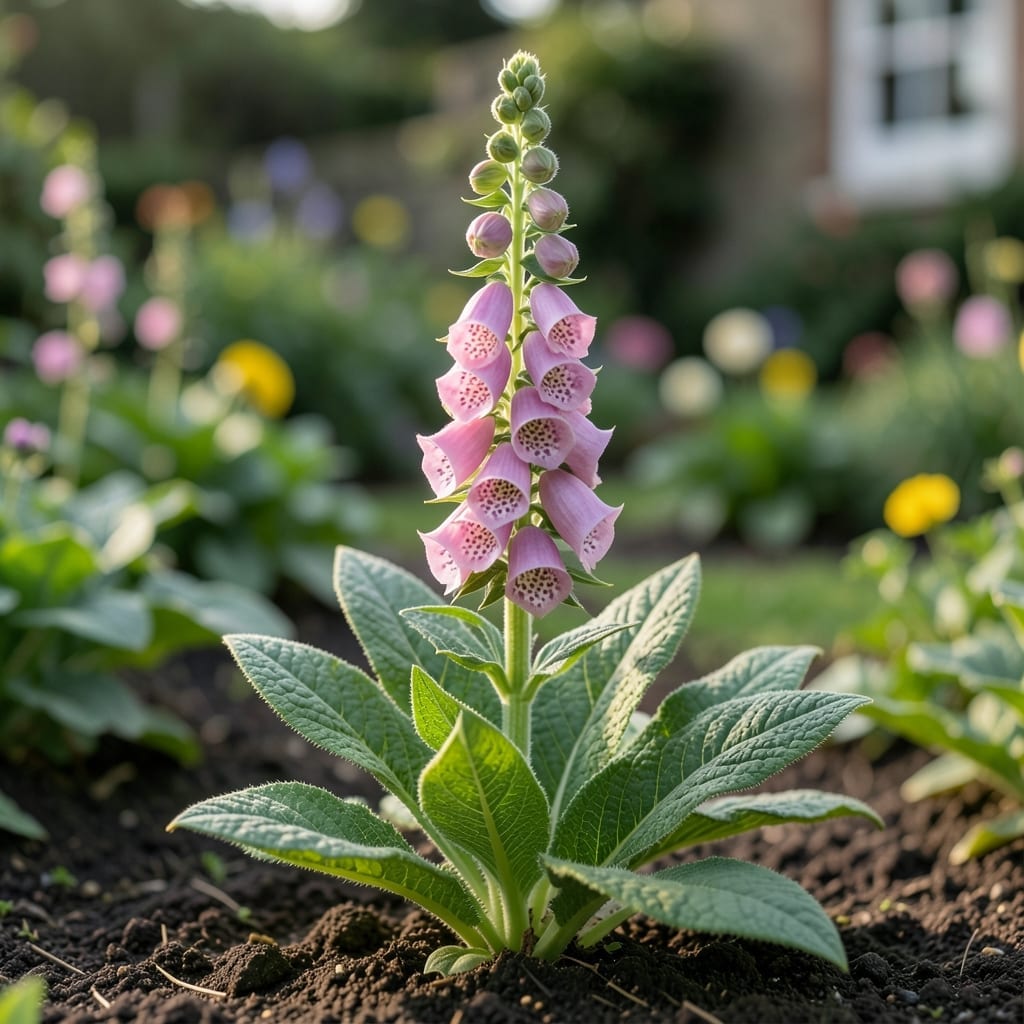
There’s something magical about watching Foxglove 🌸 spires rise in the garden, their bell-shaped flowers swaying in the breeze. These biennials or short-lived perennials bring vertical drama, but their blooming window depends on your climate and care.
In most regions, you can expect their first flowers to appear in late spring or early summer. Yet, with a few simple adjustments, you can encourage earlier or prolonged blooms.
Discover how to time their display perfectly and keep your garden vibrant longer.
If you’re growing foxgloves, you’ll want to mark your calendar for their stunning display. These biennial plants typically follow a two-year cycle, with blooms appearing in their second spring or early summer.
In most US regions, expect Digitalis purpurea to flower from May through July, though this can shift earlier or later depending on your local climate and planting time. Their towering 3-5 ft spikes create a dramatic focal point.
| Stage | Timeline | Key Notes |
|---|---|---|
| First Year | Spring-Summer | Foliage growth only |
| Second Year | May-July | Peak blooming period |
| Perennial Types | June-August | Reblooms annually |
| Southern Zones | April-June | Earlier bloom start |
| Cooler Climates | June-August | Later flowering window |
For gardeners in warmer zones (USDA 7-10), foxgloves may bloom as early as April, while cooler areas (zones 4-6) might see flowers in June or July. This variation makes them adaptable to many gardens.
Biennial foxgloves follow a strict schedule: they grow leaves the first year, then flower and die the second. However, if you let some plants self-seed, you’ll enjoy continuous blooms as new plants mature.
Perennial varieties like Digitalis grandiflora behave differently. These can flower every year from June to August, though their display might be less dramatic than biennial types.
The timing also depends on when you sow the seeds. Starting them indoors in early spring can lead to first-year blooms in some climates. Meanwhile, fall-sown seeds often produce earlier flowers the following year.
I’ve found that partial shade and consistent moisture help regulate bloom times. Too much sun can speed up flowering, while too little may delay it. Aim for that sweet spot of 4-6 hours of sunlight daily.
Remember that deadheading spent flowers won’t produce more blooms the same year for biennials, but it does prevent unwanted self-seeding. For perennials, it might encourage a second flush of flowers.
In my experience, the most reliable bloom window for common foxglove is late spring to early summer. With proper care and timing, you can enjoy their majestic spikes year after year 🌿
If you want to control your foxglove blooms, a few simple techniques can shift their timeline. I’ve found that successive planting every 2-3 weeks creates a staggered display that lasts all season long.
For earlier blooms, start seeds indoors 8-10 weeks before your last frost date. This gives plants a head start, especially in cooler climates where spring arrives slowly.
To delay blooming, plant foxgloves in a shadier spot or in containers that can be moved. This works well if you want to coordinate colors with other garden plants.
I’ve had great success with Digitalis grandiflora in partial shade, where it blooms 2-3 weeks later than in full sun. This trick helps me extend the season without extra effort.
For biennial foxgloves, remember that deadheading won’t produce more flowers the same year. Instead, leave some seed pods to ensure next year’s display while cutting others back.
Finally, consistent moisture is key. Foxgloves hate soggy soil but need regular watering to prevent stress, which can shorten bloom time. Aim for 1 inch of water per week in dry spells 🌿