
Beautiful Plants For Your Interior
Beautiful Plants For Your Interior
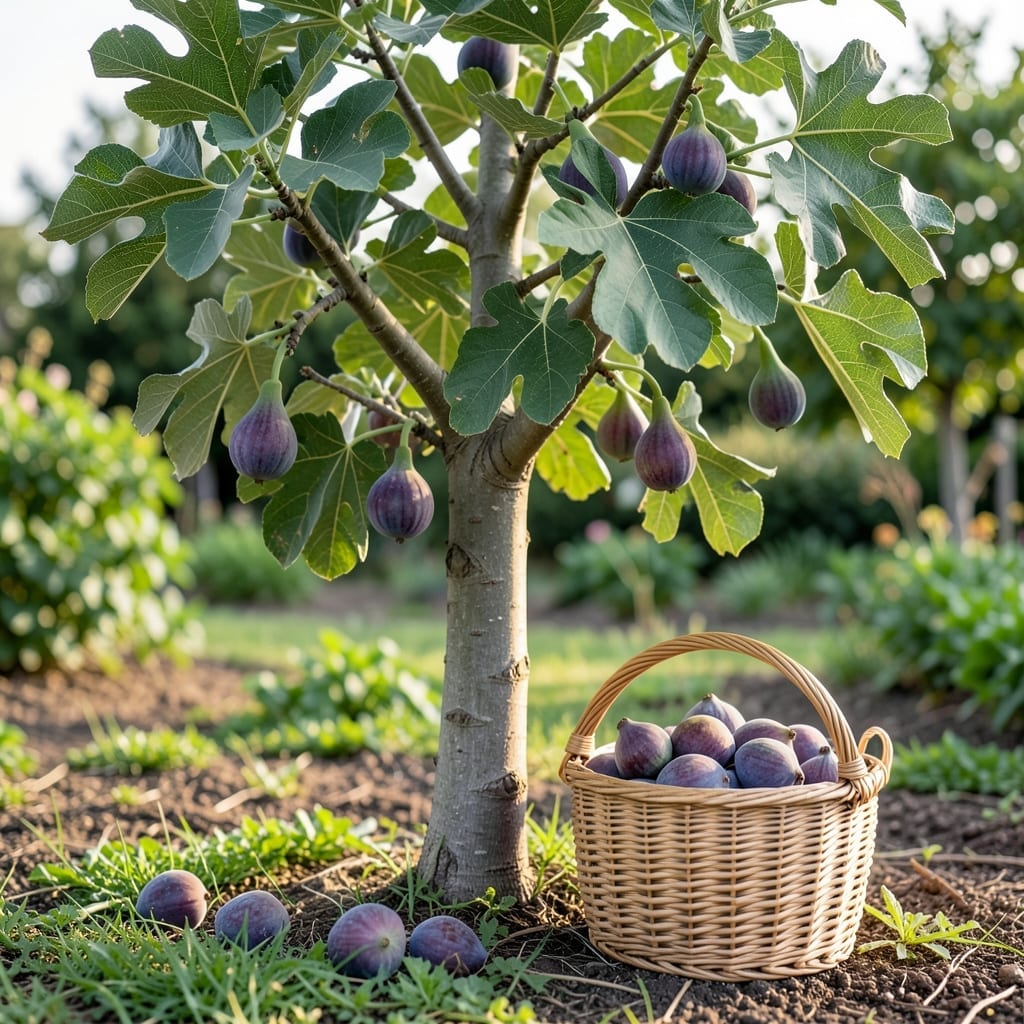
Georgia’s warm climate gives the 🍇 Fig a long, productive growing window. But timing your harvest just right can make all the difference between a mediocre yield and a spectacular one.
I’ve learned that Fig ripening isn’t one-size-fits-all—it shifts with variety, weather, and even where you’re planted in the state. Missing the sweet spot means missing out on the best flavor and texture.
Discover the seasonal cues and regional nuances that’ll help you pick at peak perfection every time.

In Georgia’s USDA Zones 7b-8a, figs typically ripen from June to October, but the exact window depends on your variety and location. I’ve seen early varieties like Celeste start producing as early as late May in the southern part of the state.
The long growing season and warm climate give gardeners multiple harvest opportunities, especially with bifera varieties that produce two crops. Northern Georgia may see a slightly later start due to cooler springs.
| Variety | Ripening Window | Georgia Region | Notes |
|---|---|---|---|
| Celeste | June–July | Statewide | Early, sweet, cold-hardy |
| Brown Turkey | July–August | Statewide | Reliable, rich flavor |
| Chicago Hardy | August–September | North Georgia | Late, cold-tolerant |
| LSU Purple | June–October | South Georgia | Long season, heat-loving |
For southern Georgia, the hotter summers can accelerate ripening, especially for heat-tolerant varieties like LSU Purple. I’ve noticed these often produce a second crop in September or October if conditions are right.
In northern Georgia, cooler temperatures may delay the first harvest until mid-July. The Chicago Hardy variety is a favorite here because it handles late frosts better than others.
Weather plays a huge role. A warm spring can push ripening earlier, while a cool, wet summer might delay it. I always keep an eye on the 10-day forecast as harvest time approaches.
Drought conditions can stress the tree and reduce fruit quality, so consistent deep watering is key. I water my figs 1–2 times per week during dry spells to keep them on track.
The first crop (called the breba crop) ripens on last year’s wood, usually in early summer. The second crop forms on new growth and ripens 60–90 days later, often with better flavor.
If you’re growing multiple varieties, you can stagger your harvest from June through October. I plant Celeste for early figs and Chicago Hardy for late-season treats. This way, I’m picking fresh figs for months.
Remember, local microclimates matter. A south-facing slope or urban heat island can ripen figs 1–2 weeks earlier than a shady or rural spot. 🌿
Knowing the exact ripening moment for figs can be tricky, but I rely on visual and tactile cues. The color change is often the first sign—most varieties shift from green to brown, purple, or black as they mature.
I also check the fruit’s neck—when it softens and bends, that’s a sure sign it’s ready. The fig should feel slightly soft to gentle pressure, almost like a ripe avocado.
Avoid picking figs that are still firm or upright—they won’t ripen off the tree. I once made the mistake of harvesting green figs too early, and they never softened properly.
Weather affects ripening signs too. Drought stress can cause premature dropping, while excess rain may split the fruit. I check my trees daily during peak ripening to catch them at the perfect moment.
For Brown Turkey figs, I look for a rich reddish-brown hue and a slight wrinkle near the stem. Celeste figs turn a vibrant purple and develop a sweet, honey-like scent.
The morning is the best time to pick figs—they’re cool and firm, making them easier to handle. I use sharp pruners or twist gently to avoid damaging the tree or fruit. 🌿