
Beautiful Plants For Your Interior
Beautiful Plants For Your Interior
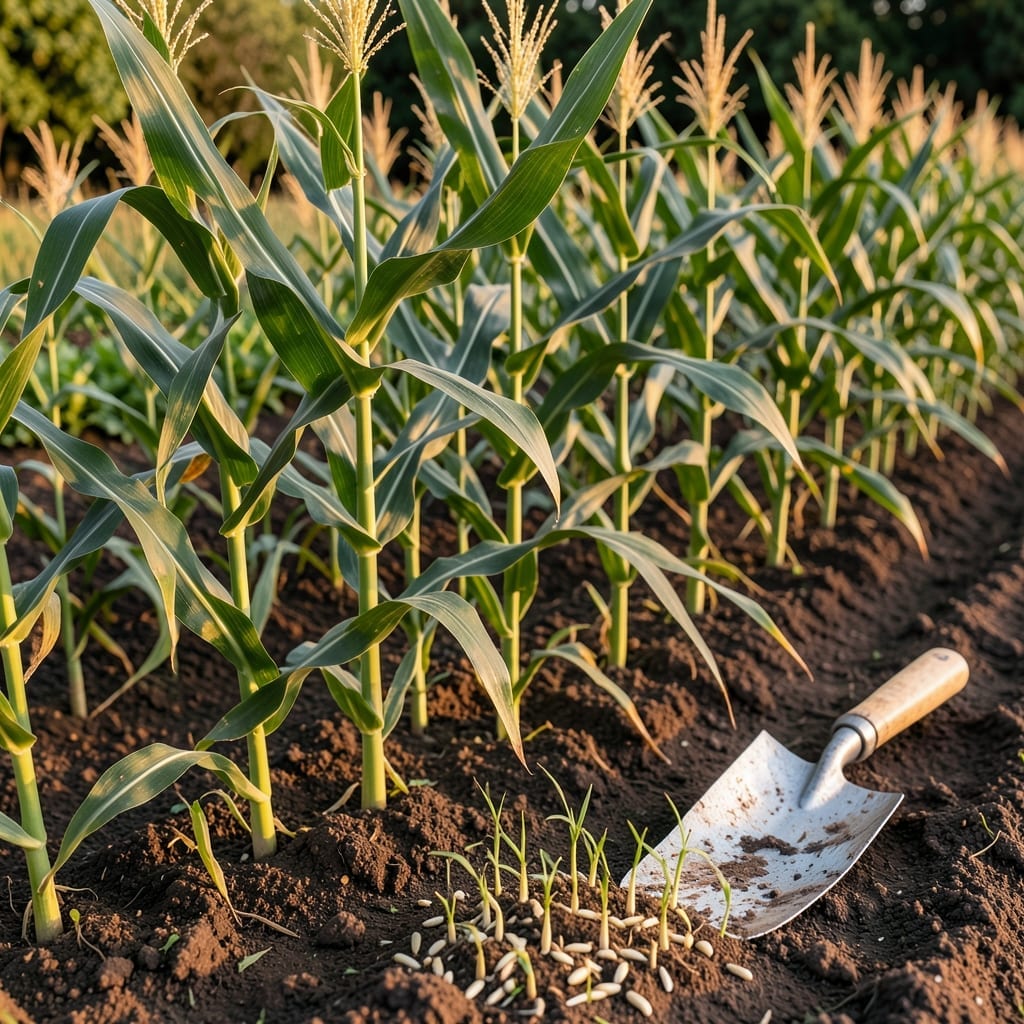
Timing your corn planting in Ohio can mean the difference between a bumper harvest and a disappointing yield. The state’s unique climate creates a specific window for optimal growth.
As someone who’s seen both success and struggle with 🌽 corn crops, I know how crucial it is to get this right. Ohio’s spring conditions demand careful consideration of soil temperature and frost dates.
Whether you’re a commercial farmer or a home gardener, aligning with these patterns is the key to success. The difference often comes down to just a few weeks.
Discover the precise timing that maximizes your yield potential. Let me walk you through what works best in our 6a zone.
As a gardener in Ohio, I’ve learned that timing is everything when it comes to planting corn. The state’s varied climate means the optimal window shifts depending on where you are. Northern, central, and southern regions each have unique considerations. ☀️
In my experience, soil temperature is the most critical factor. Corn seeds need at least 50°F to germinate properly, and 55°F is even better. Planting too early in cold soil can lead to poor germination and stunted growth.
| Region | Planting Window | Last Frost Date | Soil Temp Threshold |
|---|---|---|---|
| Northern Ohio | May 10 – June 1 | April 25 | 50-55°F |
| Central Ohio | May 1 – May 20 | April 20 | 50-55°F |
| Southern Ohio | April 20 – May 10 | April 15 | 50-55°F |
For northern Ohio, I recommend waiting until mid-May to avoid late frosts. The soil warms slower here, so patience pays off. Central Ohio gardeners can start early May, while southern regions can begin late April if conditions are right.
I always check the 10-day forecast before planting. A sudden cold snap can set back your corn crop significantly. Also, consider corn variety—early maturing types do better in cooler areas.
Another tip I swear by: use a soil thermometer. It’s the most accurate way to know if your soil is ready. Don’t guess—measure to ensure the best start for your seeds.
Ohio’s growing season is generally long enough for most corn varieties. However, in northern areas, 80-day hybrids are safer than longer-season types. This ensures your corn matures before the first frost.
I’ve found that moisture levels are just as important as temperature. Corn needs consistent watering, especially during germination and tasseling. Dry spells early on can stunt growth permanently.
If you’re planting in raised beds, remember they warm up faster than in-ground soil. This can give you a 1-2 week head start in spring. Just ensure the beds are well-draining to prevent waterlogging.
Finally, I always remind fellow gardeners: don’t rush. It’s tempting to plant early, but waiting for the right conditions will reward you with a stronger, healthier crop. 🌱
Getting the timing right for corn planting in Ohio depends on several critical factors. I always check soil temperature first—it needs to be at least 50°F for seeds to germinate properly. Cold soil can delay sprouting or even rot the seeds.
Ohio’s last frost date varies by region, but most areas see their final frost around mid-April to early May. Planting after this date reduces the risk of frost damage to young seedlings. I recommend waiting until May for the safest results.
Another factor is corn variety maturity. Early-season hybrids may tolerate slightly cooler conditions, while late-season varieties need warmer soil and longer growing periods. I always match the variety to Ohio’s 180-day frost-free window.
Moisture levels also play a role. Too much rain can compact soil and delay planting, while dry conditions may require irrigation after seeding. I check the 10-day forecast to ensure stable conditions.
Finally, seed depth and spacing impact growth. Plant seeds 1-2 inches deep and 12-18 inches apart in rows. This gives roots room to establish while allowing for proper air circulation between plants.
By considering these factors, I’ve found my Ohio corn crops thrive with stronger stands and higher yields. Timing and preparation make all the difference 🌱