
Beautiful Plants For Your Interior
Beautiful Plants For Your Interior
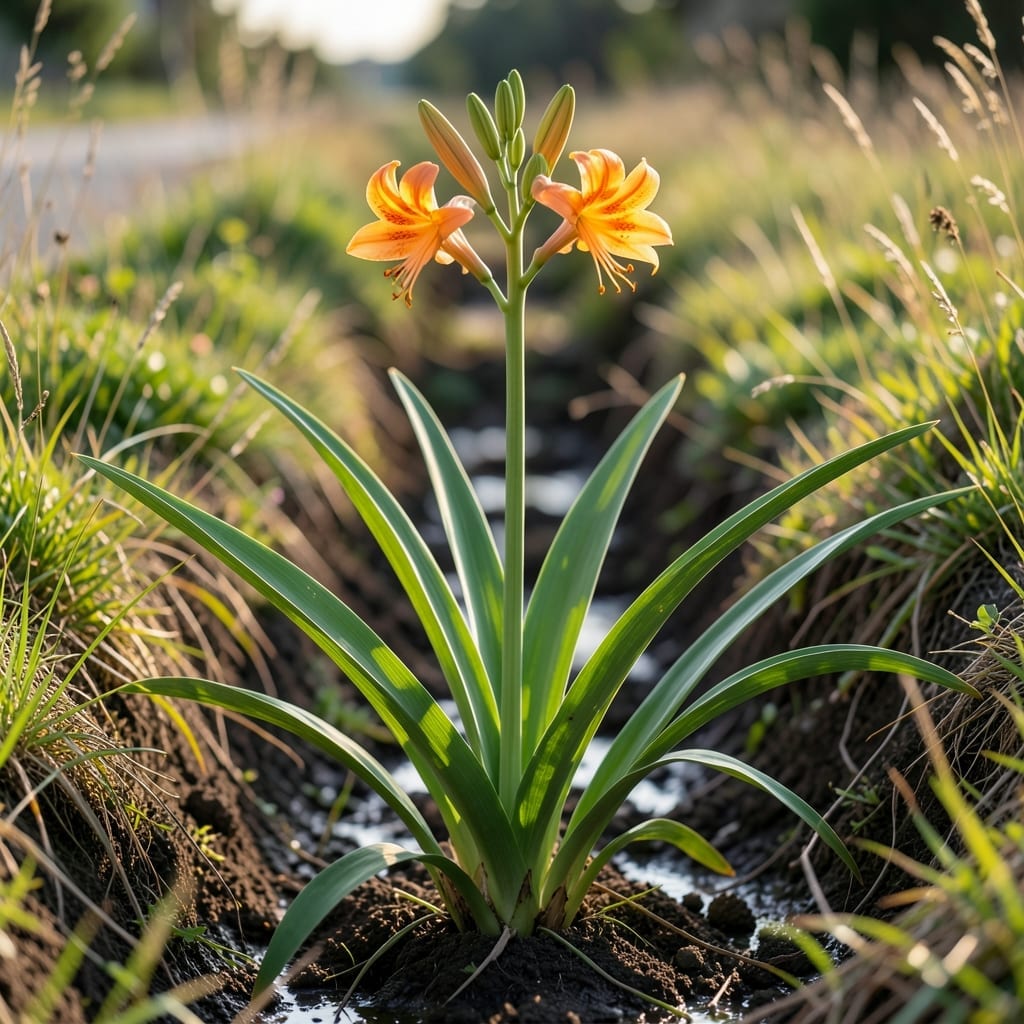
Ditch lilies, also known as orange daylilies, bring vibrant color to roadsides and gardens—but knowing when they bloom is the key to enjoying their beauty.
These hardy perennials have a reliable blooming schedule that gardeners in zone 6 can count on. Their flowers typically appear during the warmest months, transforming any space with their bright hues.
I’ll walk you through the exact seasonal window when you can expect your 🌸 Ditch Lily to burst into bloom. You’ll also learn how to create the perfect conditions for a spectacular display.
Discover the simple secrets to maximizing their flowering potential and making the most of their natural rhythm.
If you’ve ever admired the bright orange blooms of ditch lilies along roadsides, you might wonder when these hardy plants show their colors. In most regions, ditch lilies bloom from early to late summer, typically starting in June or July and continuing through August. 🌸
These resilient perennials, also known as Hemerocallis fulva, thrive in a variety of conditions, but their blooming period can shift slightly based on climate and USDA zone. Warmer areas may see flowers as early as May, while cooler zones might experience a later start. ☀️
| Factor | Blooming Impact |
|---|---|
| USDA Zone | Zones 3-9: June-August |
| Temperature | Warmer climates: Early May start |
| Rainfall | Consistent moisture extends bloom duration |
| Sunlight | 6+ hours of sun maximizes flowers |
In USDA zones 6-8, ditch lilies typically hit their peak bloom in July, with each flower lasting just one day—hence the name “daylily.” However, the plant produces multiple buds per stem, ensuring a continuous display for 4-6 weeks. 🌿
For gardeners in cooler zones (3-5), blooms may begin later, often in mid-July, and last until early September. The temperature and daylight hours play a huge role in triggering these cycles, so a warm, sunny spring can lead to an earlier show. ✂️
The rainfall patterns in your area also influence blooming. Ditch lilies are drought-tolerant once established, but consistent watering during bud formation can lead to more abundant flowers. Avoid soggy soil, though—these plants prefer well-draining conditions. 💧
If you’re in a region with hot, dry summers, you might notice a shorter bloom period. Conversely, areas with moderate rainfall and mild temperatures often enjoy a longer, more vibrant display. I’ve seen ditch lilies thrive in both urban gardens and wild meadows, adapting beautifully to their surroundings. 🌳
Another fun fact: ditch lilies can produce a second flush of blooms in early fall if conditions are right. Deadheading spent flowers and providing a bit of balanced fertilizer in late summer can encourage this bonus round of color. 🌷
To get the most out of your ditch lilies, plant them in a spot with full sun to partial shade. They’re not picky about soil but do best in fertile, loamy earth. If your soil is heavy clay, consider amending it with compost to improve drainage and nutrient content. 🪴
Finally, remember that these plants are low-maintenance but reward a little extra care. A layer of mulch in spring can help retain moisture and suppress weeds, giving your ditch lilies the best chance to put on a spectacular summer show. 🌻
To see your ditch lilies burst with color, I focus on giving them the right conditions. These tough plants thrive with 6-8 hours of sunlight daily and well-draining soil to prevent root rot.
I’ve found that consistent watering—about 1 inch per week—keeps them happy, especially during dry spells. But don’t overdo it; they’re drought-tolerant once established. 🌿
I always deadhead my ditch lilies by snipping off faded blooms. This simple step prevents seed formation and redirects energy into producing more flowers instead.
Fertilizing with a balanced 5-10-10 mix in early spring and mid-summer gives them the nutrients they need. Just
If your ditch lilies aren’t blooming, check their light exposure. Too much shade can lead to sparse flowering. Also, crowded clumps may need dividing every few years. ✂️
With these care tips, your ditch lilies will reward you with abundant blooms from early to late summer. It’s all about consistency and giving them what they naturally love. 🌻