
Beautiful Plants For Your Interior
Beautiful Plants For Your Interior
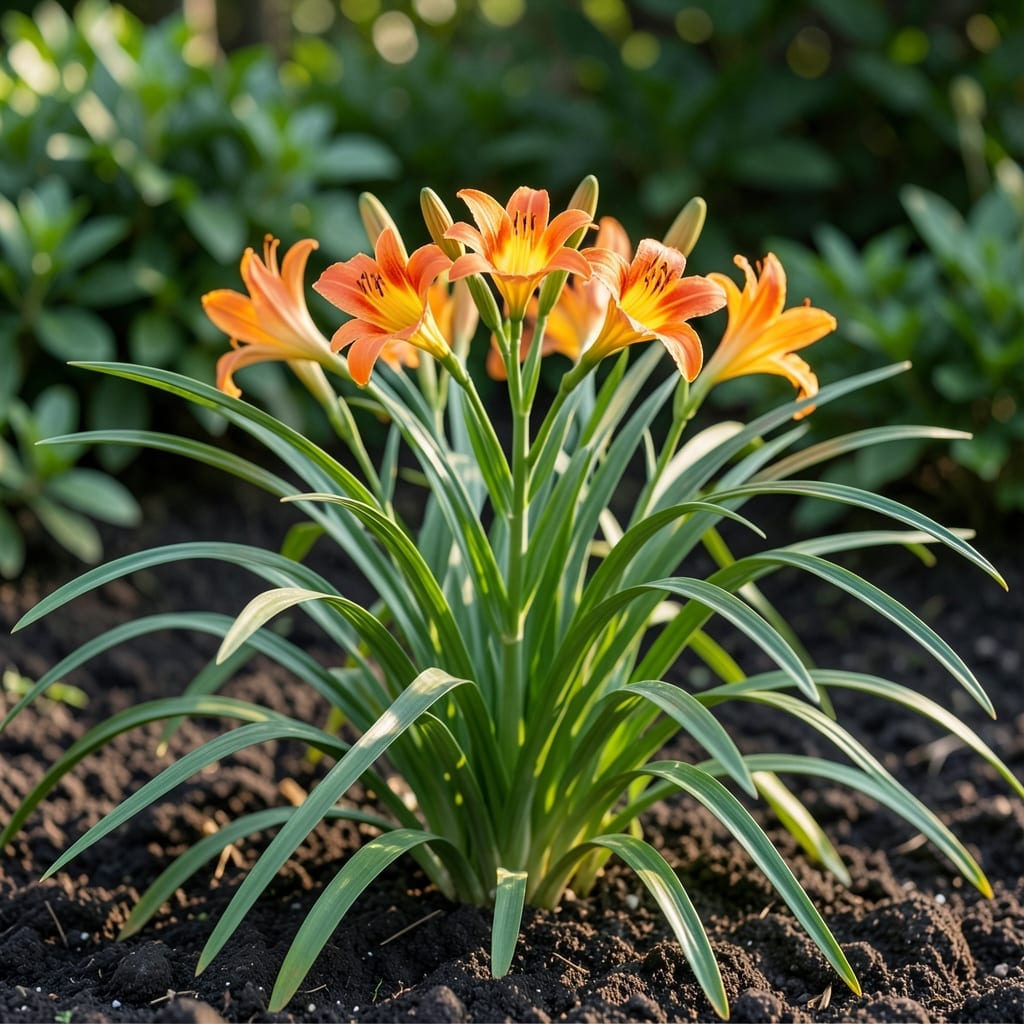
I still remember the first time I saw a Day Lily 🌸 burst into bloom—its vibrant colors seemed to light up the entire garden overnight. These hardy perennials are famous for their ability to thrive with minimal fuss, but their blooming schedule can be a bit mysterious.
Most gardeners don’t realize that timing varies by variety and climate zone. While some cultivars start flowering in early summer, others wait until late in the season to strut their stuff.
Discover how your USDA zone and planting choices affect when these beauties will grace your landscape. It’s easier than you think to plan for continuous color.
Let me walk you through the seasonal rhythm of Day Lilies and share tips to keep them blooming longer. Your garden will thank you.
I love how day lilies bring vibrant color to gardens with minimal effort. Their blooming season typically spans late spring to early fall, but exact timing depends on the variety and your USDA zone. 🌸
Early bloomers like ‘Stella de Oro’ start flowering in May, while late varieties such as ‘Autumn Red’ may wait until August. Most day lilies thrive in zones 3-10, with warmer climates seeing earlier blooms. 🌿
| Variety | Bloom Time | USDA Zones |
|---|---|---|
| Stella de Oro | May–July | 4–9 |
| Hyperion | June–August | 3–9 |
| Autumn Red | July–September | 5–10 |
| Happy Returns | May–Frost | 4–9 |
In cooler zones like 3-4, day lilies often bloom later due to slower spring warm-up. Meanwhile, southern gardeners in zones 8-10 might see earlier flowers as temperatures rise faster. 🌡️
Reblooming varieties like ‘Happy Returns’ can produce multiple flushes of flowers if deadheaded regularly. This means you’ll enjoy continuous color from late spring until frost. ✂️
I’ve found that morning sun and well-draining soil help maximize blooms. Day lilies in partial shade may flower later but often last longer in the heat of summer. ☀️
For longer bloom seasons, consider planting a mix of early, mid-season, and late varieties. This creates a staggered display that keeps your garden vibrant for months. 🌷
Drought stress can delay blooming, so I recommend consistent watering during the bud formation stage. However, once established, day lilies are quite drought-tolerant. 💧
If your day lilies aren’t blooming, check for overcrowding. Dividing clumps every 3-4 years rejuvenates the plants and encourages more flowers the following season. 🪴
Finally, remember that fertilizing in early spring with a balanced 10-10-10 feed gives your day lilies the nutrients they need for robust blooming. Just avoid over-fertilizing, which can lead to leafy growth at the expense of flowers.
If you love Day Lilies as much as I do, you’ll want their vibrant display to last as long as possible. With a few simple tricks, you can stretch their blooming period from a few weeks to nearly 2 months of color.
Start by planting early, mid-season, and late bloomers together. This staggered approach ensures continuous flowers from early summer to fall. I’ve seen this work wonders in my own garden.
Another game-changer is proper spacing. Crowded plants compete for nutrients, which can shorten the blooming period. Give each Day Lily about 18-24 inches of space to thrive.
Don’t forget about mulching. A 2-3 inch layer of organic mulch helps retain moisture and keeps roots cool, which is especially important during hot summer months.
Finally, full sun exposure is key. While Day Lilies tolerate partial shade, they bloom most abundantly with at least 6 hours of direct sunlight daily. I’ve noticed a dramatic difference in my own garden when I moved them to sunnier spots. ☀️
With these techniques, your Day Lilies will reward you with a longer, more spectacular show every year. It’s amazing how a little extra care can transform your garden’s appearance.