
Beautiful Plants For Your Interior
Beautiful Plants For Your Interior
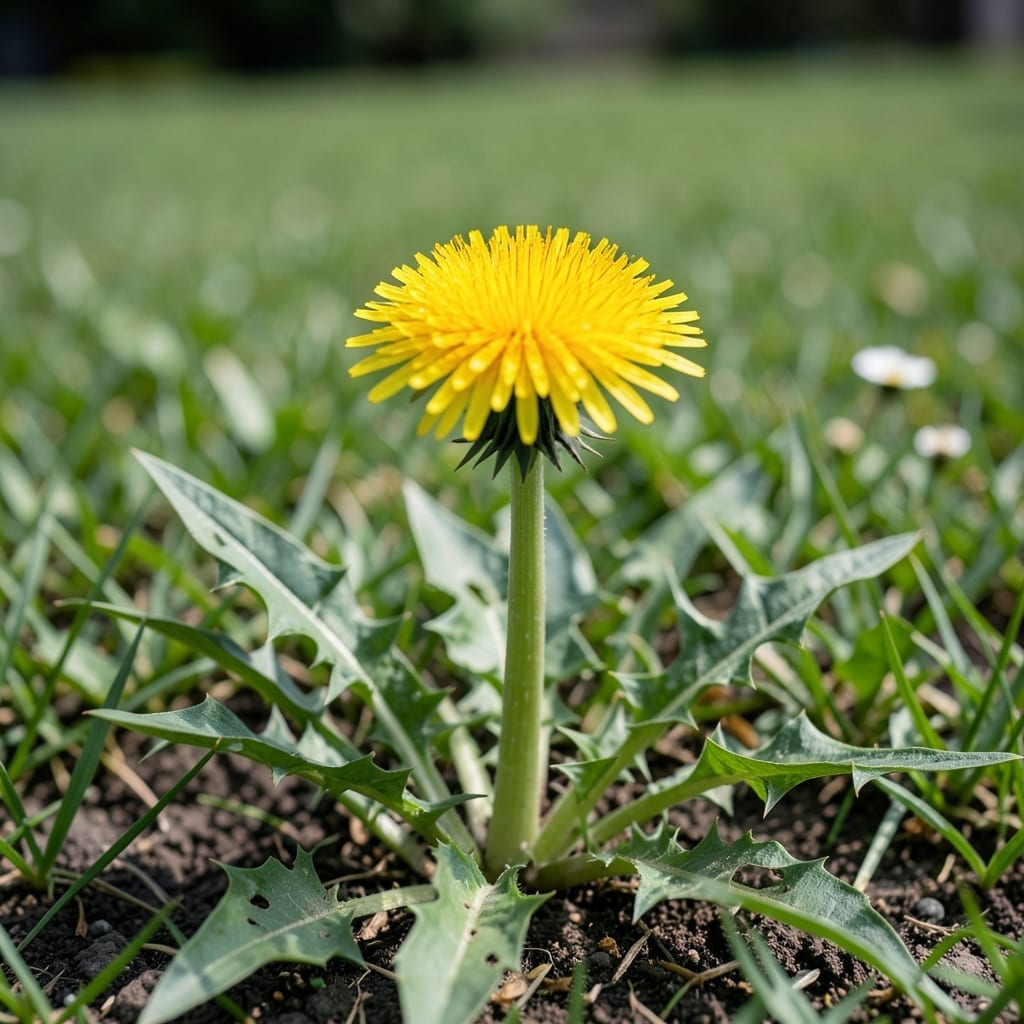
Dandelions are among the most resilient and recognizable wildflowers, but their blooming schedule can surprise even seasoned gardeners. The 🌼 bright yellow Dandelion seems to appear overnight, transforming lawns and fields with its cheerful color.
Understanding when these flowers emerge helps you manage or appreciate their seasonal beauty. They thrive across USDA zones 3-10, making them a common sight in many regions.
I’ll break down their flowering patterns and share insights to help you predict or even encourage their growth. Let’s explore what makes these plants so adaptable.
Dandelions are notorious for their early spring blooms, often appearing as soon as the soil temperature reaches 50°F. In most regions, this means you’ll see their bright yellow flowers from March to May. 🌼
However, their flowering isn’t limited to spring. In milder climates, dandelions can bloom year-round, with peaks in spring and fall. Even in colder areas, they may produce a second flush in late summer or early autumn.
| Region | Primary Bloom | Secondary Bloom |
|---|---|---|
| Cool Climates | March-May | September-October |
| Moderate Climates | April-June | August-October |
| Warm Climates | Year-round | Peaks in Spring/Fall |
In USDA zones 3-5, dandelions typically bloom once in spring and may have a smaller fall bloom if conditions are right. The cold winters limit their growing season, but they bounce back quickly when temperatures rise. ✂️
For zones 6-8, the flowering season extends. You might see dandelions almost continuously from early spring through late fall. The mild winters allow them to retain green foliage and even bloom sporadically in winter.
Gardeners in zones 9-10 often deal with year-round dandelions. These regions rarely experience frost, so the plants can flower continuously, especially if they receive regular water and sunlight.
I’ve noticed that urban areas with warmer microclimates can also see extended blooming. Sidewalks and driveways retain heat, creating pockets where dandelions thrive outside their typical season. ☀️
Soil conditions play a role too. Dandelions prefer well-draining soil but can tolerate poor or compacted soil. In rich, loose soil, they may grow larger and bloom more abundantly, while in dry or poor soil, their blooms might be smaller and less frequent.
If you’re trying to manage dandelions, timing is key. Pulling them before they flower can prevent seed spread. However, if you appreciate their early nectar source for pollinators, you might let them bloom before removing them.
Remember, dandelions are perennial plants, meaning they return year after year. Their deep taproots store energy, allowing them to bounce back quickly after mowing or pulling. This resilience is why they’re such a common sight in lawns and gardens.
The timing of dandelion blooms isn’t just random—it’s triggered by environmental cues. The most significant factor is temperature, with flowers emerging when soil warms above 50°F. This explains their early spring appearance in many regions. 🌼
Another key trigger is daylight length. Dandelions respond to increasing daylight in spring, which signals them to start flowering. This photoperiod sensitivity means they’ll bloom earlier in longer daylight regions.
Moisture availability also affects bloom timing. After spring rains, you’ll often see a surge in dandelion flowers as the plants take advantage of the ideal growing conditions. Conversely, drought periods may delay flowering until moisture returns.
In urban environments, dandelions may bloom earlier than expected due to heat islands. Pavement and buildings retain warmth, creating microclimates that trick plants into thinking spring has arrived weeks ahead of schedule. ☀️
Interestingly, dandelions can produce multiple flushes in a single season. After the initial spring bloom, they may flower again in late summer or fall if conditions remain favorable. This adaptability helps them maximize seed production throughout the growing season.
If you’re observing dandelions in your yard, note that mowing can stimulate flowering. The plant responds to stress by pushing out new blooms quickly, which is why you might see flowers reappearing just days after cutting. This survival mechanism ensures their prolific spread. ✂️