
Beautiful Plants For Your Interior
Beautiful Plants For Your Interior
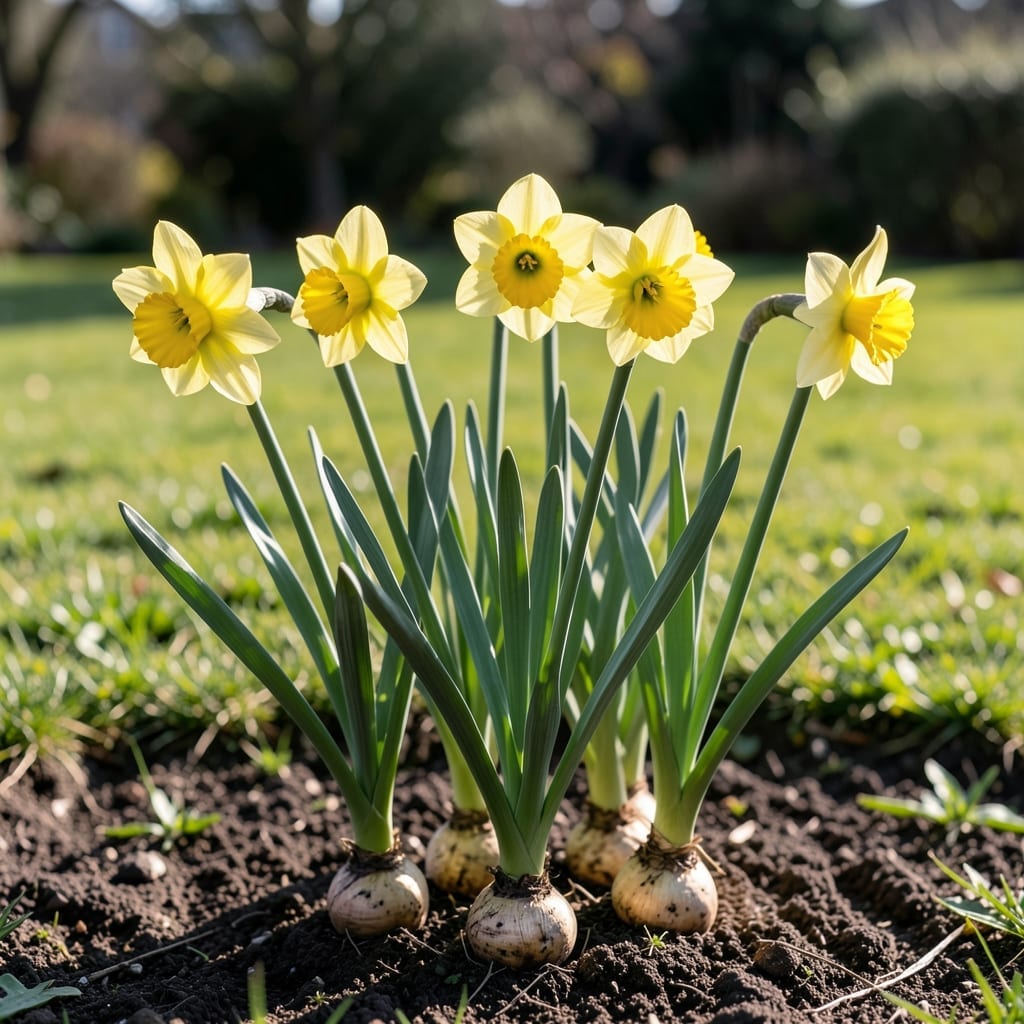
There’s nothing quite like seeing the first golden blooms of 🌷 Daffodils pushing through the soil after a long winter. These cheerful flowers are nature’s way of announcing that spring has arrived.
But when exactly can you expect to see them? The timing varies more than you might think, depending on where you live and the care you provide.
Let me walk you through the typical blooming season for Daffodils and what you can do to ensure they thrive in your garden. The wait is always worth it.
I love watching Daffodils emerge each spring, signaling the end of winter. Their blooming time varies significantly by USDA hardiness zones and local conditions.
In warmer Zone 8, you might see blooms as early as January. Cooler Zone 3 gardens typically wait until April or May for their first yellow trumpets.
| Region (USDA Zone) | Blooming Period | Early Varieties |
|---|---|---|
| Zone 3-4 | April-May | Tête-à-Tête |
| Zone 5-6 | March-April | Ice Follies |
| Zone 7-8 | January-March | February Gold |
Early-season varieties like February Gold often bloom 2-4 weeks before mid-season types. Late varieties such as Poet’s Daffodil may flower into May in cooler areas.
Temperature plays a huge role. Daffodils need 12-16 weeks of chilling at 40-45°F to trigger blooming. Milder winters may delay or prevent flowering.
In my garden, I’ve noticed that southern exposures and well-drained slopes warm up faster, often producing earlier blooms. North-facing beds might lag by 1-2 weeks.
The amount of daylight also affects timing. Longer days in spring trigger growth, but cloudy weeks can delay emergence by 5-7 days.
For the most consistent blooms, I recommend planting a mix of varieties. This extends your Daffodil season from early spring to late spring.
Remember that first-year bulbs may bloom later than established clumps. They need time to establish roots and store energy for future flowers.
If you’re in a borderline zone, pay attention to microclimates in your yard. A sunny spot near a south-facing wall can create perfect conditions for early blooms.
I always mark my Daffodil locations with small stakes so I don’t accidentally dig them up while they’re dormant 🌷
Several key factors influence when your Daffodils will push through the soil. Planting depth matters—too shallow and they may sprout early; too deep and they’ll emerge late.
Soil temperature is another critical element. Bulbs need consistent chilling below 45°F for 12-16 weeks to trigger spring growth. Warmer soils delay this process.
I’ve found that southern slopes warm up faster in spring, often producing earlier blooms than north-facing areas. This microclimate effect can create a 2-week difference in the same garden.
Daylight hours also play a role. Longer days trigger growth, but cloudy springs may delay flowering by 5-7 days. Consider this when planning your garden’s sun exposure.
To encourage earlier blooms, plant bulbs in warmer microclimates like near south-facing walls. For delayed blooms, choose shadier spots or north-facing beds.
Remember that first-year bulbs often bloom later as they establish. After the first year, they’ll typically follow your region’s standard timeline more reliably 🌷