
Beautiful Plants For Your Interior
Beautiful Plants For Your Interior
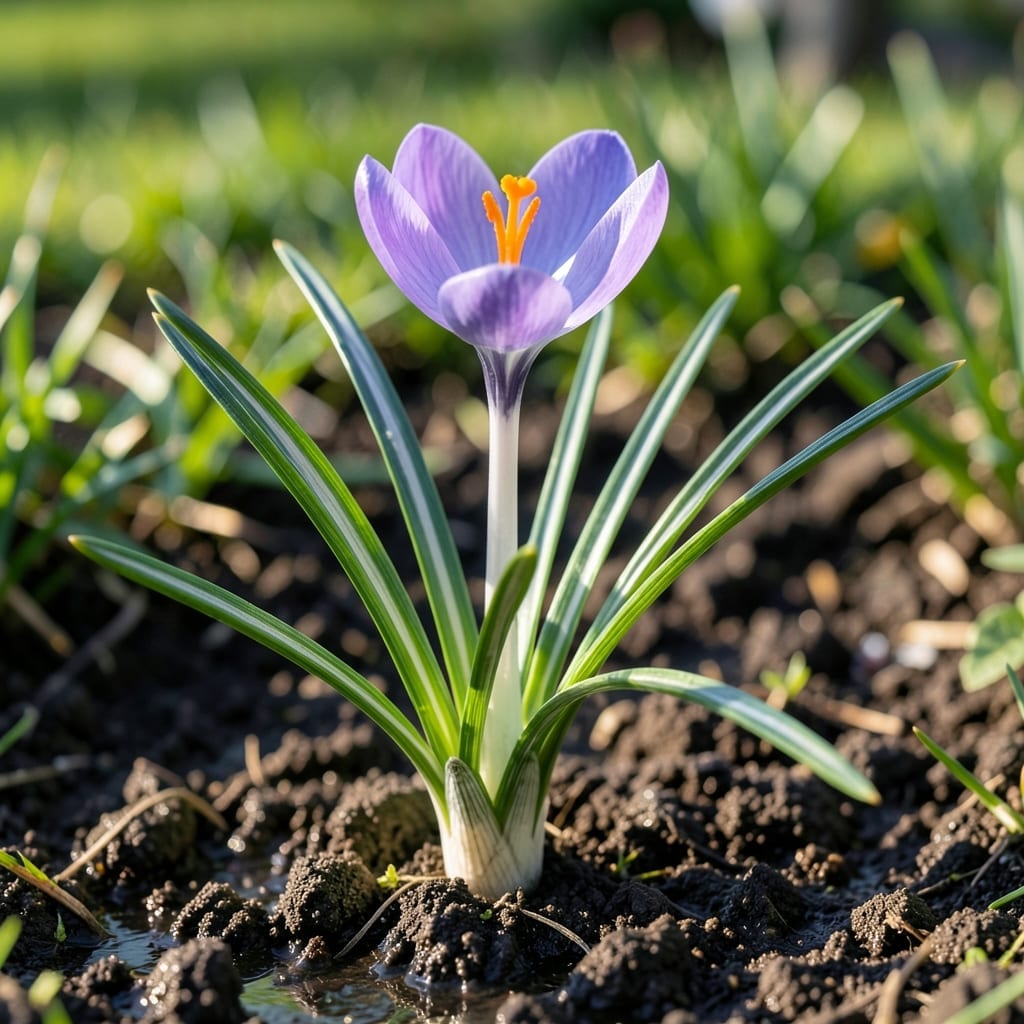
There’s nothing quite like spotting those first vibrant blooms peeking through the thawing ground. The 🌷 Crocus is nature’s way of announcing that spring is on the horizon.
As a gardener, I’ve learned that timing is everything when it comes to these early risers. They don’t just appear by chance—they respond to specific conditions that signal it’s their moment to shine.
Understanding when and why they emerge can transform your garden planning. It’s not just about patience; it’s about knowing the cues and preparing for that first burst of color.
Discover how to anticipate their arrival and make the most of their fleeting but beautiful display. Let’s dig into what makes these flowers so special.
As a gardener, I’ve noticed crocuses are among the first to break through the winter soil, signaling spring’s arrival. Their emergence depends heavily on climate and temperature triggers.
In warmer USDA zones like 7-8, they often bloom in late winter or early February. Cooler zones, such as 3-4, see them in March or April. The key factor is soil temperature, not just air temperature.
| USDA Zone | Blooming Period | Key Factors |
|---|---|---|
| 3-4 | March-April | Late snowmelt, cold soil |
| 5-6 | February-March | Moderate winters, early thaw |
| 7-8 | January-February | Mild winters, early warmth |
Early blooming varieties, like Crocus tommasinianus, often appear 1-2 weeks before others. These are ideal for gardeners eager for the first signs of spring.
Snow crocuses (Crocus chrysanthus) thrive in colder climates and can even push through light snow. Their resilience makes them a favorite for northern gardens.
In my experience, urban areas with heat islands may see crocuses 1-2 weeks earlier than rural spots. This is due to warmer microclimates created by pavements and buildings.
Soil moisture also plays a role. Well-drained soil prevents rot and encourages earlier blooming. I always ensure my crocus beds aren’t waterlogged after winter rains.
For gardeners in mild coastal regions, crocuses may bloom as early as December. However, frost damage can occur if flowers emerge too soon during unseasonal warmth.
I’ve found that mulching with a light layer of leaves or straw can protect corms and encourage consistent blooming. This mimics their natural forest floor habitat.
Late frosts can be a challenge. If a cold snap is forecasted, I cover emerging blooms with frost cloth to prevent damage to the delicate flowers.
Ultimately, patience and observation are key. Watch for green shoots pushing through the soil, typically 4-6 weeks before blooms appear 🌷
I love watching crocuses push through the soil, but sometimes I want that splash of color a little sooner. With a few simple tricks, you can coax them to bloom earlier than nature intended.
Timing is key—plant corms in early fall to give them a head start before winter. This ensures they establish roots and are ready to spring up at the first sign of warmth.
Soil temperature is the biggest trigger. Crocuses typically emerge when the soil hits 40-50°F. In milder climates, this can be as early as late winter.
For container-grown crocuses, move pots to a sunny windowsill in late winter. The warmth will trick them into blooming weeks ahead of schedule.
I’ve found that south-facing slopes or areas near heat-absorbing surfaces (like brick walls) can speed up emergence by several days. These microclimates create perfect conditions.
Just remember: Don’t force it. Crocuses have their own rhythm. With a little encouragement, they’ll reward you with vibrant blooms when the time is right 🌷