
Beautiful Plants For Your Interior
Beautiful Plants For Your Interior
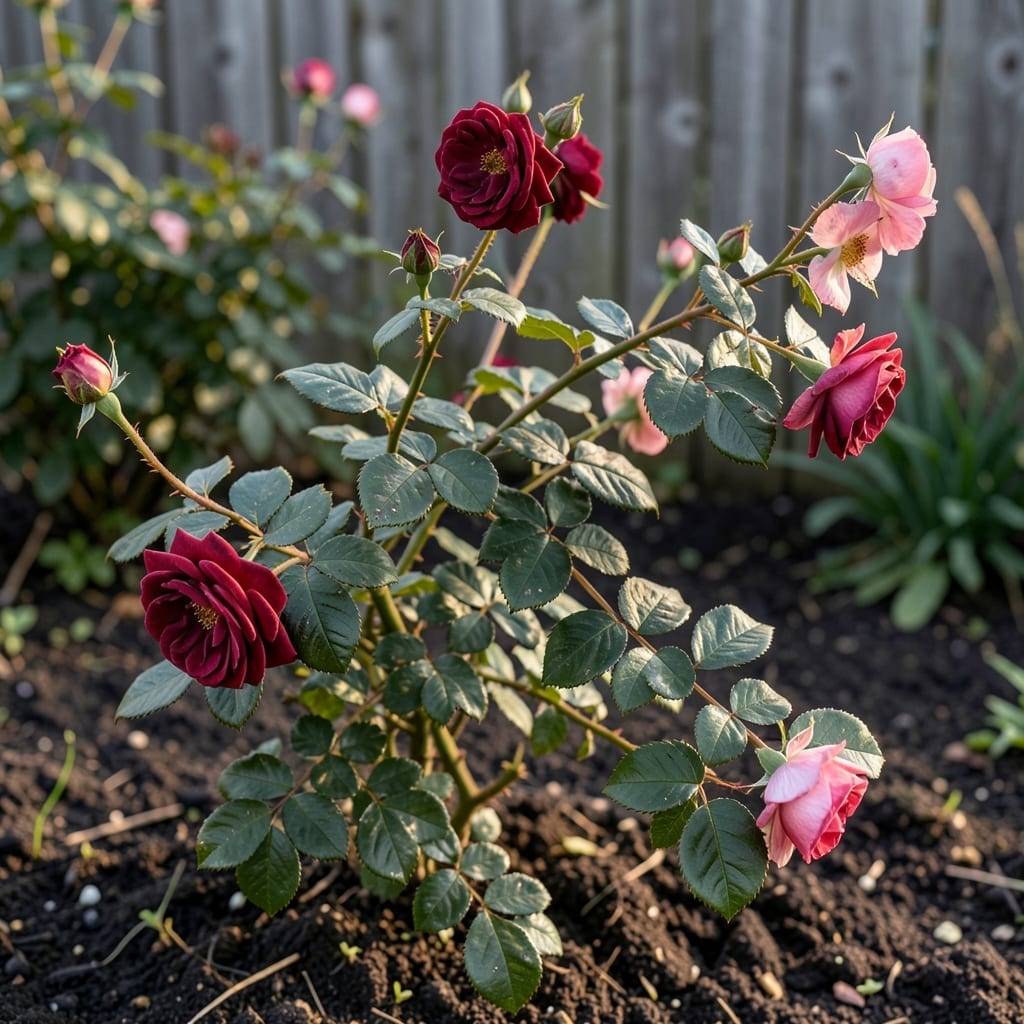
Timing your Climbing Rose blooms can transform your garden into a vibrant, fragrant sanctuary. I’ve seen how understanding their flowering cycles helps plan care and pruning for maximum beauty.
The 🌹 Climbing Rose doesn’t follow a one-size-fits-all schedule. Depending on the variety and your climate, you might see blooms from late spring to fall, with some even offering multiple flushes.
If you’re in USDA Zone 6, early spring planting sets the stage for a stunning display. But there’s more to it than just timing—soil, sunlight, and care all play a role.
Discover how to coax the most blooms from your Climbing Rose and keep your garden thriving season after season. Let’s dig in.
If you’re wondering when do climbing roses flower, the answer depends on the variety. Once-blooming climbers typically flower in late spring to early summer, while repeat-blooming types produce flushes from late spring through fall. I’ve seen both thrive with the right care.
Climate zones also play a huge role. In warmer regions like Zone 9, climbing roses may start blooming earlier and continue longer than in cooler Zone 5, where the season is shorter. Always check your local frost dates.
| Variety | Blooming Season | Climate Influence |
|---|---|---|
| Once-Blooming | Late spring to early summer | Shorter in cooler zones |
| Repeat-Blooming | Late spring to fall | Longer in warmer zones |
| Everblooming | Continuous from spring to frost | Thrives in mild climates |
The ‘New Dawn’ climber is a repeat-bloomer that starts in late spring and keeps going until first frost. It’s a favorite for trellises and fences in my garden. The pale pink blooms are a sight to behold.
‘Blaze’ is another repeat-blooming variety, known for its fire-engine red flowers. It’s disease-resistant and does well in Zones 4-9. I’ve found it blooms heavily in early summer and then sparsely through fall if deadheaded properly.
For once-bloomers, the ‘Mermaid’ climber is a standout. It produces a single flush of yellow blooms in early summer but is extremely heat-tolerant, making it ideal for warmer climates. It’s a great choice if you want low-maintenance color.
Cooler climates can be tricky. In Zone 5, climbing roses may bloom later and for a shorter period. I recommend planting near a south-facing wall to maximize heat and extend the season. Mulching also helps protect roots from late frosts.
In Zone 9, the blooming season can last 6-7 months. Varieties like ‘Cecile Brunner’ thrive here, producing delicate pink blooms in flushes every 6-8 weeks. The key is consistent watering and light pruning to encourage new growth.
If you’re in a humid climate, watch for fungal diseases like black spot. Repeat-blooming climbers can be more susceptible, so choose disease-resistant varieties like ‘Knock Out’ or ‘Iceberg’. They’ll reward you with months of blooms if kept healthy.
Finally, soil quality and sunlight are critical. Climbing roses need 6+ hours of sun and well-draining soil to flower abundantly. I always amend my soil with compost before planting to give them a strong start.
With the right variety and care, your climbing roses can provide stunning blooms for months on end. 🌹
I’ve found that climbing roses thrive with consistent care. To extend their flowering periods, focus on proper pruning and feeding schedules that align with their growth cycles. 🌹
Start by pruning in late winter or early spring before new growth appears. This encourages strong stems and more blooms. Remove dead or weak wood to direct energy toward healthy flowering canes. ✂️
Maximize Your Climbing Rose Blooms:
I always deadhead faded blooms promptly to prevent seed formation, which tells the plant to produce more flowers instead. This simple step can significantly extend the blooming season. 🌷
For repeat-blooming varieties, a light pruning after the first flush of blooms can stimulate a second wave of flowers. Use sharp, clean tools to make clean cuts just above a leaf node.
Don’t overlook soil health. I enrich my climbing rose beds with compost annually. This improves drainage and nutrient content, which directly impacts bloom quality and duration. 🌱
Finally, monitor for pests and diseases, as stressed plants flower less. Regularly inspect leaves and stems, and treat issues early with organic or chemical solutions as needed.