
Beautiful Plants For Your Interior
Beautiful Plants For Your Interior
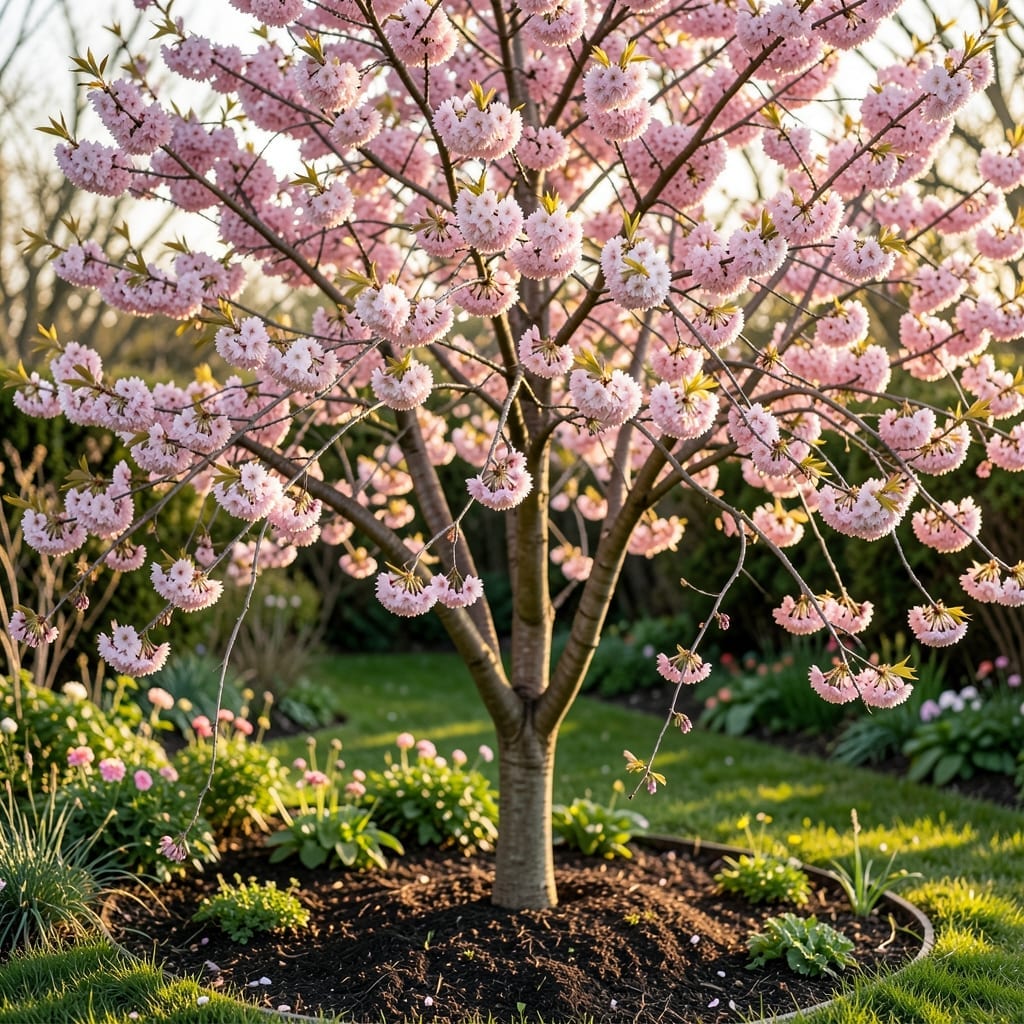
Cherry blossom trees paint landscapes with breathtaking pink and white hues, but their fleeting bloom period leaves many wondering when these iconic trees flower.
If you’ve ever planned a trip or garden visit around seeing 🌸 Cherry Blossom Tree blooms, timing is everything. The display is magical but short-lived, making it all the more special.
Discover what triggers their blooms and how to predict nature’s spectacular show each year. Let’s explore the secrets behind their timing.
The bloom time of cherry blossom trees varies significantly based on climate zone and regional weather patterns. These iconic trees typically flower in early to mid-spring, but the exact timing can shift by weeks.
In warmer regions like Washington D.C., blooms often appear in late March, while cooler areas such as the Pacific Northwest may see flowers in mid-April or later.
| Region | USDA Zone | Bloom Period | Key Varieties |
|---|---|---|---|
| Washington D.C. | 7-8 | Late March to early April | Yoshino |
| Pacific Northwest | 8-9 | Mid-April | Kwanzan |
| Japan (Tokyo) | 8-9 | Late March to early April | Somei-Yoshino |
| Midwest | 5-6 | Early to mid-April | Weeping Cherry |
The USDA hardiness zones play a crucial role in determining when your cherry blossoms will appear. Trees in zone 5 often bloom 1-2 weeks later than those in zone 8 due to colder winters.
Temperature triggers are key. Cherry blossoms need a period of winter dormancy followed by warming spring temperatures to break bud. A cold snap can delay blooming, while an early warm spell may cause premature flowering.
In urban areas, the heat island effect can make blooms appear earlier than in rural locations. I’ve noticed city trees often flower 3-5 days sooner than their country counterparts.
For gardeners in zone 6, expect blooms around early April. In zone 7, late March is typical. These patterns help me plan my garden visits and photography sessions each year.
The chilling hours requirement varies by variety. Most cherry blossoms need 700-1000 hours below 45°F to set buds properly. Without enough cold, trees may skip blooming or have sparse flowers.
I recommend tracking local weather forecasts in February and March to predict bloom times. When daytime temps consistently hit 50-60°F, buds will typically open within 1-2 weeks. ☀️
Regional celebrations like D.C.’s Cherry Blossom Festival or Japan’s Hanami often mark the peak bloom period. These events are scheduled based on historical bloom data and current weather patterns.
Several key variables determine when your cherry blossom tree will burst into color. Understanding these helps gardeners anticipate bloom times and plan accordingly for maximum visual impact.
Tree variety plays a huge role. Yoshino cherry trees often bloom earlier than Kwanzan varieties, sometimes by 1-2 weeks. Different cultivars have unique timing patterns.
Winter warmth directly impacts the chilling hours needed. Trees require 700-1000 hours below 45°F to set buds. Mild winters may result in fewer blooms or delayed flowering.
Spring temperatures act as the final trigger. When days consistently reach 50-60°F, buds typically open within 7-14 days. A sudden cold snap can pause this process, while early heatwaves may speed it up.
Urban heat islands can make city trees bloom 3-5 days earlier than rural ones. I’ve observed this firsthand in downtown parks versus suburban gardens. The concrete and asphalt absorb and retain heat.
Tree maturity matters too. Young trees may take 3-5 years to produce their first significant blooms. Once established, they follow more predictable patterns based on weather conditions.
Monitor these factors to predict bloom times in your area. I find that keeping a garden journal helps track yearly variations. 🌸