
Beautiful Plants For Your Interior
Beautiful Plants For Your Interior
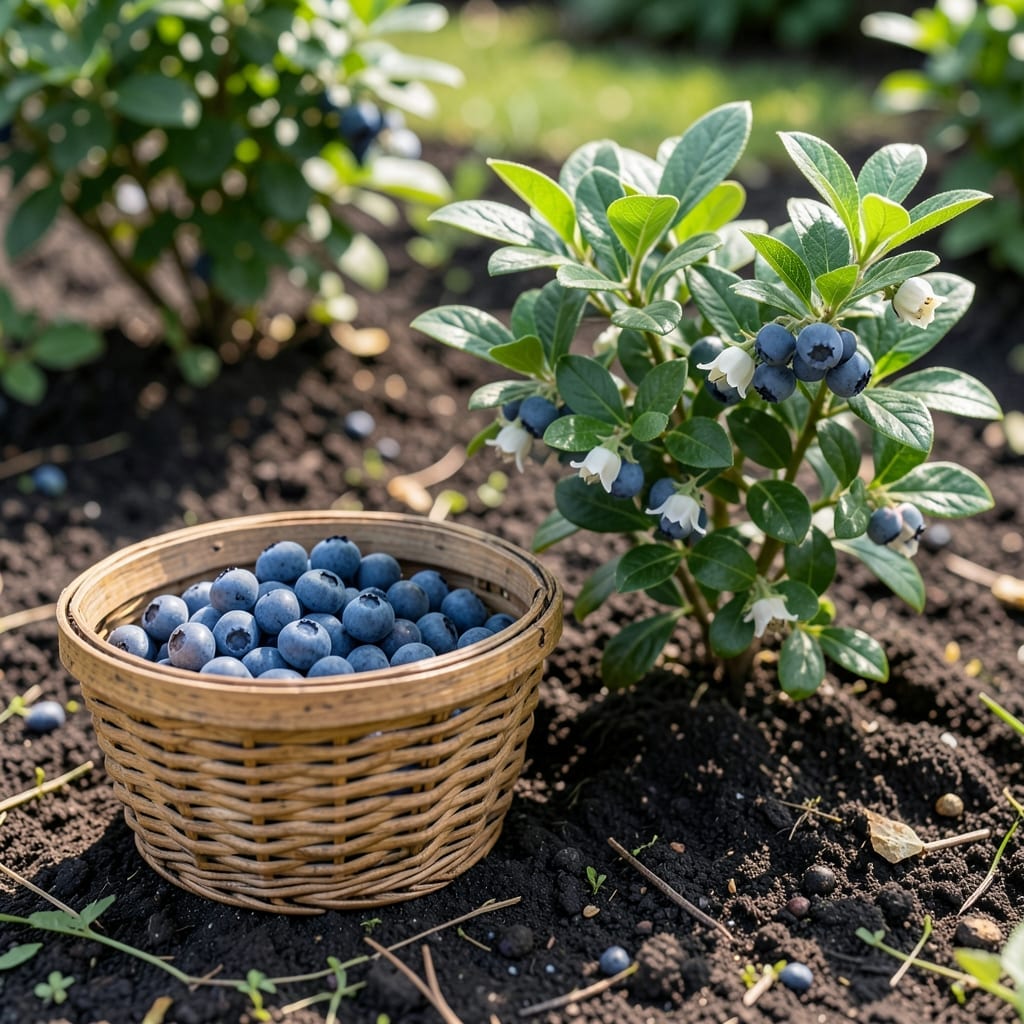
Watching your Blueberry Bush burst into fruit is one of gardening’s most satisfying moments. But timing depends on variety, climate, and care.
I’ve learned that May – August is the typical harvest window, though this can shift based on your USDA zone and the specific type you’re growing.
Discover how early, mid, and late-season varieties differ, and what factors might delay or accelerate your first berries.
The key to a bountiful harvest starts with understanding these patterns. Let me walk you through what to expect.
If you’re wondering when blueberry bushes produce fruit, the answer depends largely on the variety and your USDA zone. I’ve seen firsthand how timing shifts dramatically between types.
Highbush blueberries often start producing in early to mid-summer, while lowbush types may ripen a bit earlier. Rabbiteye varieties tend to fruit later in the season.
| Variety | Fruiting Time | USDA Zones |
|---|---|---|
| Highbush | Early to mid-summer | 4-7 |
| Lowbush | Late spring to early summer | 3-6 |
| Rabbiteye | Mid to late summer | 7-9 |
| Half-high | Mid-summer | 3-7 |
In my garden, early-season varieties like ‘Duke’ often produce fruit in late May in zone 5, while ‘Bluecrop’ peaks in July. This variation lets you extend your harvest window.
Climate plays a huge role too. In warmer zones, you might see berries 2-3 weeks earlier than in cooler areas. I’ve noticed that frost dates can delay blooming by weeks.
Another key factor is the age of your bush. Most blueberries won’t produce significant fruit until their 3rd or 4th year. Young plants focus on root and foliage growth first.
For northern gardeners, lowbush types are ideal as they’re cold-hardy and fruit earlier. In southern climates, rabbiteye varieties thrive in the heat and longer growing season.
Mid-season varieties like ‘Chandler’ offer a balance, producing large berries in most zones. I recommend planting multiple varieties for staggered harvests and better cross-pollination.
Remember that soil pH affects fruiting too. Blueberries need acidic soil (pH 4.5-5.5). If your soil isn’t right, you might see poor fruit set even in ideal climates.
In my experience, consistent watering during flowering and fruiting is crucial. Drought stress can cause berry drop, reducing your harvest significantly.
Finally, pruning impacts timing. Proper annual pruning encourages stronger canes and more fruit buds for next year. I prune mine right after harvest to avoid cutting off potential berries 🌿
Getting your blueberry bushes to fruit sooner starts with the right conditions. I’ve found that acidic soil with a pH of 4.5-5.5 is non-negotiable for optimal growth.
Full sun exposure for 6-8 hours daily significantly boosts fruit production. Without it, your plants may struggle to set berries at all.
Proper pruning techniques are crucial. I remove about 1/3 of the oldest canes each year to make room for productive new growth.
Consistent watering is key, especially during fruit set. Aim for 1-2 inches of water weekly, more during dry spells.
Mulching with pine bark or wood chips helps maintain soil moisture and acidity. This simple step can dramatically improve your harvest.
Finally, patience pays off. Most bushes take 2-3 years to produce significant fruit, but with these tips, you’ll maximize your yield when they do. ☀️